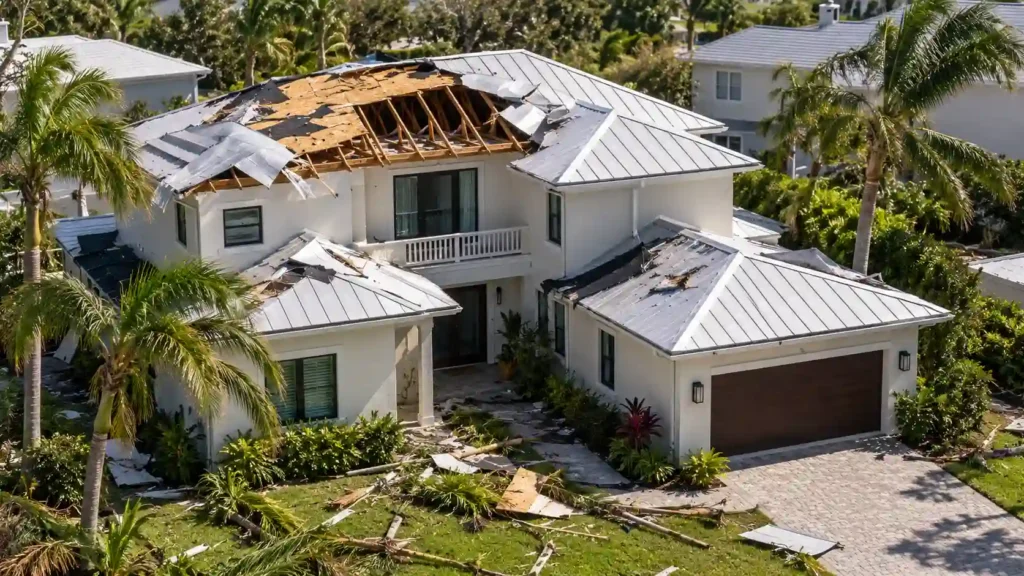
The block may look almost normal again: the wind has passed, the storefront is standing, and the lights are back on. But a daycare with a damp ceiling, a restaurant that lost power overnight, or a shop with water near its electrical equipment cannot judge the building by the front door alone.
After a hurricane, “minor damage” may only describe what is visible at first glance, not what the building has actually experienced. So, can you safely reopen if everything appears to be fine?
A commercial inspection after a hurricane can help identify visible damage, moisture intrusion, roofing concerns, electrical issues, HVAC problems, and other conditions that may not be obvious during a quick walkthrough. It gives property owners a clearer picture of the building before reopening, starting repairs, or moving forward with insurance documentation.
A “minor” mark is not a business reopening decision
There is no single statewide checklist that turns a small stain, a few missing shingles, or a dry-looking floor into permission to reopen every business. The decision depends on the building’s condition, local instructions, essential utilities, and what happens inside the space. A retail shop, restaurant, childcare center, fitness studio, and professional office expose people to different risks and rely on different equipment.
Start with current city and county advisories. Do not enter a building that has been posted, restricted, or identified as unsafe; follow the instructions from the authority that issued the notice. Miami-Dade explains that structures may be deemed unsafe after a natural disaster and can be subject to inspection and enforcement.
The county’s post-hurricane guidance also cautions people to wait for officials to confirm it is safe to go out and to watch for hazards such as downed lines, broken glass, and unstable trees.
A commercial property inspection can help an owner or manager understand observable conditions and decide what needs attention. It does not authorize occupancy, override an official order, certify every system as safe, or replace evaluations required from a building official, licensed trade contractor, fire authority, health authority, or other regulator.
What “minor damage” can mean for different businesses
A small patch of discoloration can be the visible edge of a much larger problem—or a contained issue with no broader impact. Ask where the damage is, what system is behind it, whether it is changing, and who will use that part of the building.
Retail store: A small ceiling stain above an aisle may point to roof or flashing damage. If water reached lighting, wiring, shelving, or merchandise, the implications go beyond the size of the stain. A cracked storefront pane may also affect security and expose the interior to another round of wind-driven rain.
Restaurant or café: A leak above food-preparation space, a walk-in cooler, or electrical equipment deserves prompt attention. A power interruption can also create a food-safety issue that a building inspection cannot resolve. Florida’s commercial insurance FAQ notes that food spoilage is generally not covered unless that coverage was specifically purchased; check applicable food-safety instructions and your own policy.
Daycare or childcare center: A damp ceiling tile, wet carpet, damaged fence, or door that no longer closes may look repairable, yet affect a room where children gather or a route used during an emergency. Consider both the building condition and any applicable licensing, fire-safety, or local operating direction before resuming care.
Fitness, recreation, or personal-service business: Water around a rooftop HVAC unit, a slippery entry, debris near an exit, or moisture in a room with electronics can affect customers and staff even if the main activity floor looks intact.
These examples are not a pass/fail list. Visible size alone does not tell you whether a condition is harmless. A wet surface can dry while moisture remains inside a ceiling or wall; a brief power return does not prove equipment was unaffected; and a roof that appears intact from the parking lot may still have loose components or damaged flashing.
Local rules matter, but repair permits are only one part
After a hurricane, local officials may restrict access or identify unsafe structures. Miami-Dade’s unsafe-structures process addresses buildings that are structurally unsound or otherwise unsafe for use or occupancy. Check the city or county responsible for your property and follow any posted instructions or inspection requirements.
Permits generally relate to the work being performed; they do not create a universal “minor damage” threshold for reopening. In unincorporated Miami-Dade, the county lists limits and exclusions for certain minor repairs, while incorporated municipalities administer their own permitting requirements.
In Miami Beach, a narrow exemption covers certain nonstructural commercial roof repairs, subject to limits on the area repaired and other conditions. That example does not mean every small roof repair is permit-free. For properties in regulated flood zones, additional floodplain requirements may apply, and local officials determine whether substantial-damage rules are triggered.
The practical point: ask the building department with jurisdiction whether the proposed repair requires a permit, and separately establish whether the space is appropriate to reopen. Permit rules and occupancy or safety decisions answer different questions.
How to get a clearer picture of the building: commercial inspection
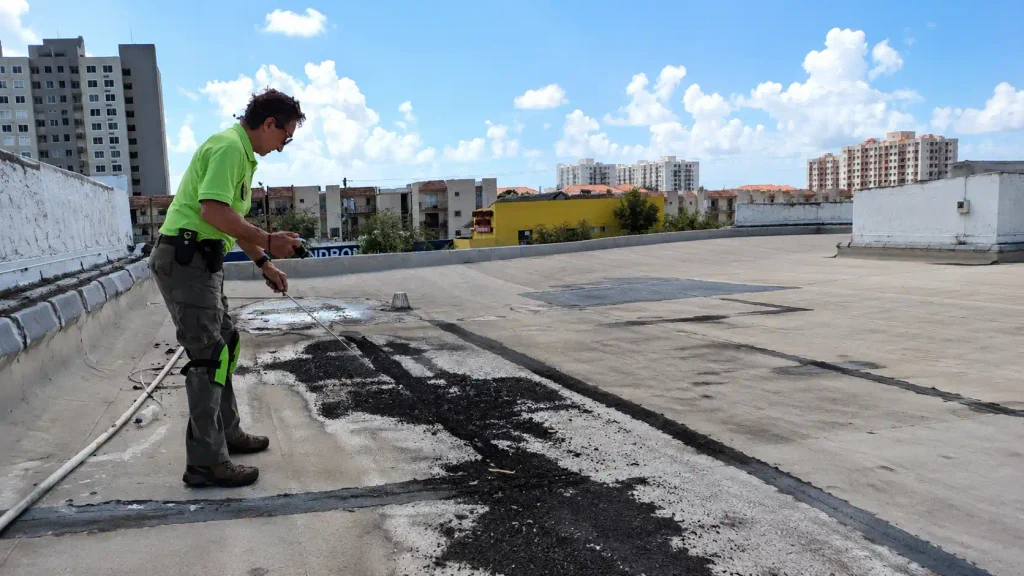
Once local officials say the area is accessible and there is no order preventing entry, a post-storm commercial inspection can help document what can be observed without destructive testing. The scope depends on the building and access available, but commonly includes:
- Roof and exterior: visible damage to roofing, flashing, drains, exterior walls, windows, doors, and signs of wind-driven rain or impact.
- Interior surfaces: staining, dampness, damaged ceilings or wall finishes, flooring concerns, and areas where moisture may warrant further evaluation.
- Building systems: visible or accessible conditions around HVAC equipment, plumbing, and electrical components. An inspection is not a substitute for testing or repairs by licensed specialists.
- Site and access: drainage or standing-water observations, exterior hazards, damaged entries, and whether paths or exits appear obstructed.
- Documentation: photographs, locations, observed conditions, access limitations, and recommendations for repair or specialist follow-up.
Never touch wet electrical equipment or enter an area that appears unstable. If a structural issue, energized water, gas odor, or other immediate hazard is suspected, leave the area and contact the appropriate emergency service or qualified professional. An inspector should not be asked to make a hazardous space safe simply by documenting it.
What to look for in the inspection report
A useful report should let you trace each concern back to a place in the building. Look for clear descriptions and photos, the observed condition, the area or system affected, and whether the finding needs immediate attention, repair, monitoring, or evaluation by a specialist.
Read access limitations carefully: a roof that could not be safely reached, concealed spaces, or systems that were not operated may leave questions unanswered.
Separate what the inspector directly observed from what the finding may suggest. For instance, “staining and elevated moisture were observed at the ceiling below the roof” is an observation; identifying the precise source may require further investigation. A report is a snapshot of accessible conditions on the inspection date—not a guarantee that hidden damage does not exist or that the premises meet every operational requirement.
Before cleanup or permanent repairs, preserve useful evidence when safe. Take dated photos or video, note when the damage was discovered, and keep receipts and records for emergency measures. Do not delay reasonable emergency work needed to prevent further damage; document the condition and the work as you go.
How the inspection report fits with insurance and next steps
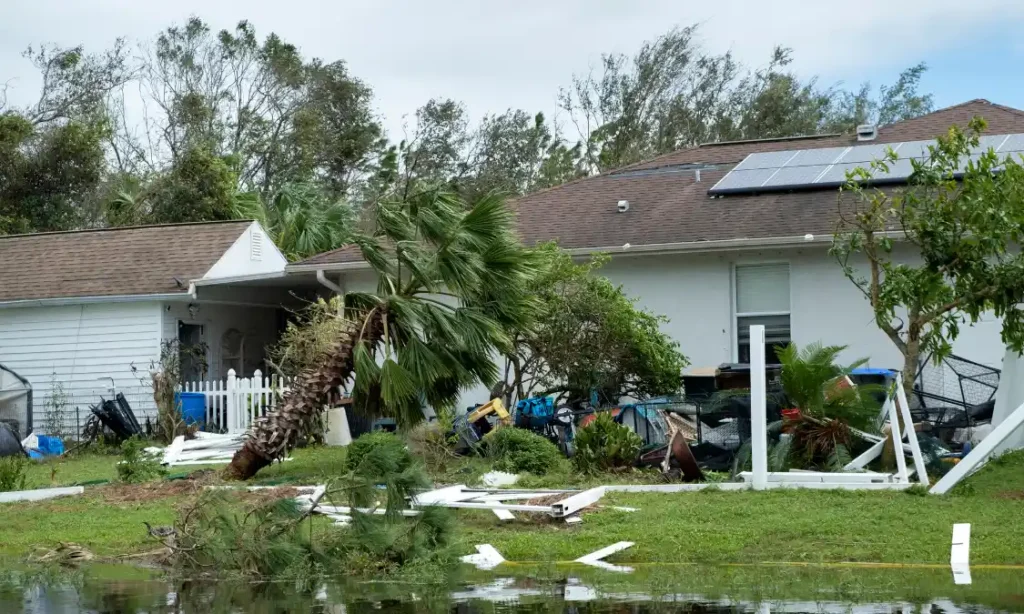
Notify your insurer or agent promptly and follow the notice and documentation requirements in your commercial policy. A carrier may ask for photos, repair estimates, records, or an inspection report. Florida’s Department of Financial Services recommends documenting damage and emergency repairs; its commercial disaster FAQ explains that business-interruption and extra-expense coverage depend on what was purchased and the policy terms.
An independent inspection report can support the record of the building’s observable condition, but it is not an insurance coverage decision, a claim estimate, or a substitute for the insurer’s adjustment process.
Coverage varies by policy, endorsements, cause of loss, and facts. Keep copies of communications, invoices, photos, and reports, and ask your agent or insurer what they need before non-emergency repairs change or conceal the damaged area.
A practical sequence is:
- follow local safety instructions;
- keep people out of areas with hazards;
- document what is visible;
- arrange appropriate inspections or specialist evaluations;
- contact your insurer;
- complete necessary repairs with permits required by the local authority;
- and reopen only when conditions and any applicable official or operational requirements support doing so.
Frequently asked questions
Do I need a special permit just to reopen after a hurricane?
There is no single permit rule that applies to every South Florida business after every storm. Local restrictions, unsafe-structure notices, and requirements tied to your type of operation may affect reopening. Separately, repair work may need a building permit depending on scope and jurisdiction.
Who decides whether the building is safe to reopen?
The relevant local authority can issue unsafe-structure or access instructions, and other agencies may regulate particular operations. A private inspection can help you understand observed building conditions, but it does not replace an official determination or business-specific approvals.
If I only see one leak, should I wait for an inspection?
Consider what is above and around the leak, whether it is near electrical equipment or a customer area, and whether moisture is spreading. Photograph it, protect people from the affected area, and get qualified help when the source or extent is uncertain. Do not assume that a small stain reflects the full damage.
Can an inspection report help with an insurance claim?
It may provide dated observations and photos that help document the property’s condition. Your insurer determines what documentation it needs and how the policy applies; an independent inspection does not decide coverage or the claim amount.
When should I schedule a commercial storm damage inspection?
After local authorities permit access and it can be done safely. If possible, arrange documentation before permanent repairs, while still making and recording reasonable emergency measures needed to protect the property.
Get a clearer view before you invite people back in
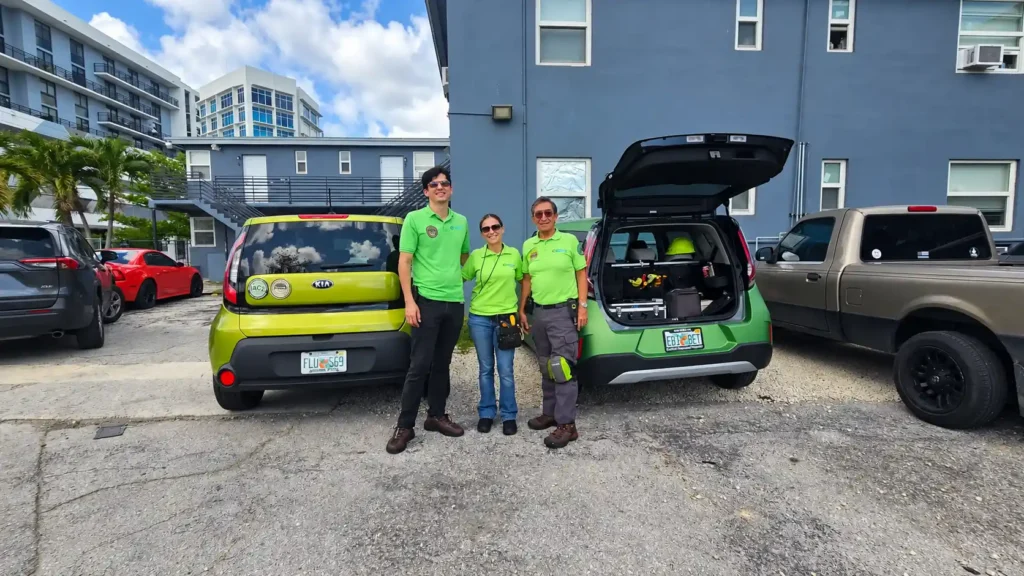
A storefront can look ready from the sidewalk while a roof leak, moisture inside a ceiling, damaged HVAC component, or compromised exit remains out of view. If your commercial property in Miami-Dade or Broward County has been affected by a hurricane, HALLEY can help document observable conditions and identify areas that may need attention or further evaluation.
Learn about HALLEY’s commercial property inspection service. The inspection provides information about the building; reopening decisions should also account for local instructions and requirements that apply to your business.