You scheduled the inspection, walked through the property, and received a report filled with photographs, technical observations, and recommendations. Now you need to decide what deserves immediate attention and what can wait.
Understanding what happens after a home inspection is especially important in South Florida. Roof condition, electrical systems, plumbing materials, HVAC performance, and moisture can influence negotiations. Some findings may also raise questions when the buyer applies for homeowners insurance.
The report gives you a clearer picture of the property at the time of the inspection. Your next steps will depend on the findings, the terms of your purchase contract, and advice from the professionals assisting with the transaction.
This guide explains how to review a home inspection report, prioritize concerns, request additional evaluations, discuss repairs, and move toward closing with better information.
What Happens After a Home Inspection Is Completed?
After completing the on-site evaluation, the home inspector prepares a written report for the client. Florida law requires a paid home inspector to report systems or components that appear significantly deficient or near the end of their service life. The inspector must also identify components that were present but could not be inspected and explain why. You can review the full requirements in Florida Statutes Section 468.8323.
A professional report commonly contains:
- Descriptions of the visible systems and components.
- Photographs of relevant conditions.
- Observations about defects or signs of deterioration.
- Safety concerns identified during the inspection.
- Components that may require further evaluation.
- Areas that were inaccessible or outside the inspection scope.
The buyer should review the report as soon as it becomes available. Real estate contracts often establish an inspection period, but the applicable deadline depends on the agreement. Your real estate agent or attorney can explain which dates and options apply to your transaction.
The report may lead to several possible actions. You might accept the property in its current condition, seek more information, request repairs, discuss a credit, or make another decision permitted by the contract.
How to Read a Home Inspection Report
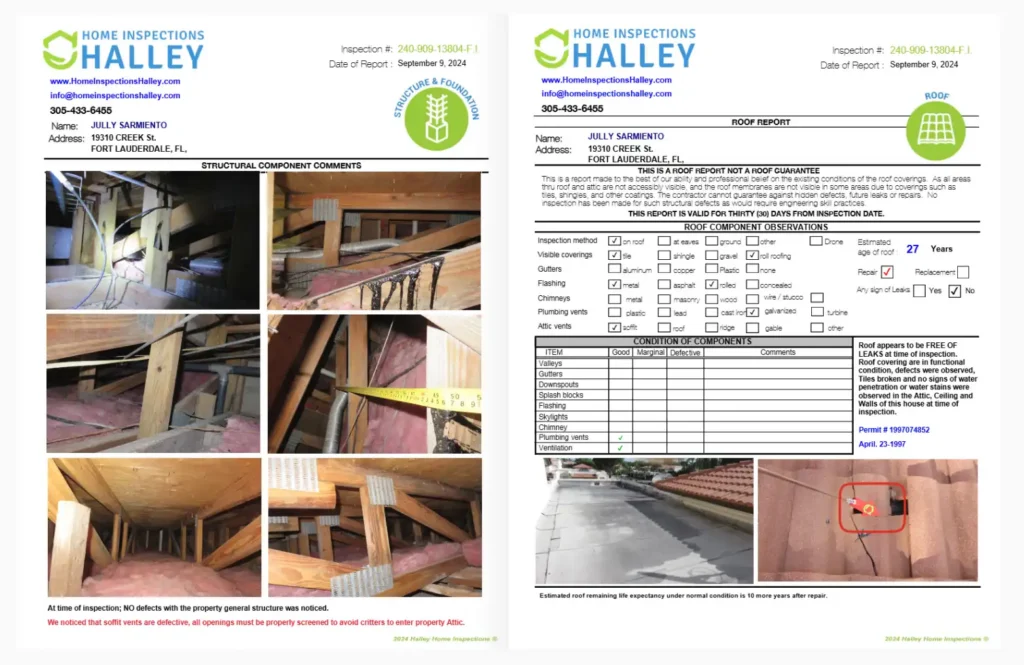
Many buyers begin with the summary. This section can help identify important observations quickly, but it should not replace reading the full document.
An item that looks minor in the summary may include useful context elsewhere in the report. Photographs, location details, limitations, and recommendations can help you understand why the inspector documented it.
As you read, separate the findings according to their potential impact.
Safety Concerns
Conditions involving electrical hazards, missing safety devices, unstable components, or other visible risks may require prompt attention. The inspector may recommend evaluation or correction by a qualified professional.
Active Water or Moisture Problems
Leaks, staining, elevated moisture, damaged materials, and inadequate drainage deserve careful review in South Florida. Water can move through walls, ceilings, roofing assemblies, and HVAC areas before the damage becomes obvious.
A home inspection can document visible evidence and recommend further evaluation. Determining the full source or extent of concealed damage may require a roofer, plumber, HVAC technician, mold assessor, engineer, or another specialist.
Major Systems and Expensive Components
The roof, electrical service, plumbing system, HVAC equipment, foundation, and structural components can affect future maintenance and insurance conversations. Review the inspector’s observations about condition, visible damage, estimated age when available, and recommended next steps.
Components Near the End of Their Service Life
An older component can still be operating on the day of the inspection. Its age and visible condition may indicate that the buyer should plan for maintenance or replacement.
The report does not predict the exact day a system will fail. It can help you understand which components may require closer attention after purchasing the property.
Deferred Maintenance
Loose fixtures, deteriorated sealant, clogged drains, damaged screens, and similar findings may not threaten the transaction. A long list of maintenance observations is common, especially in occupied or older homes.
The number of items in the report does not determine whether the property is in good or bad condition. Their type, severity, location, and potential consequences matter more.
Which Findings Should Florida Buyers Prioritize?
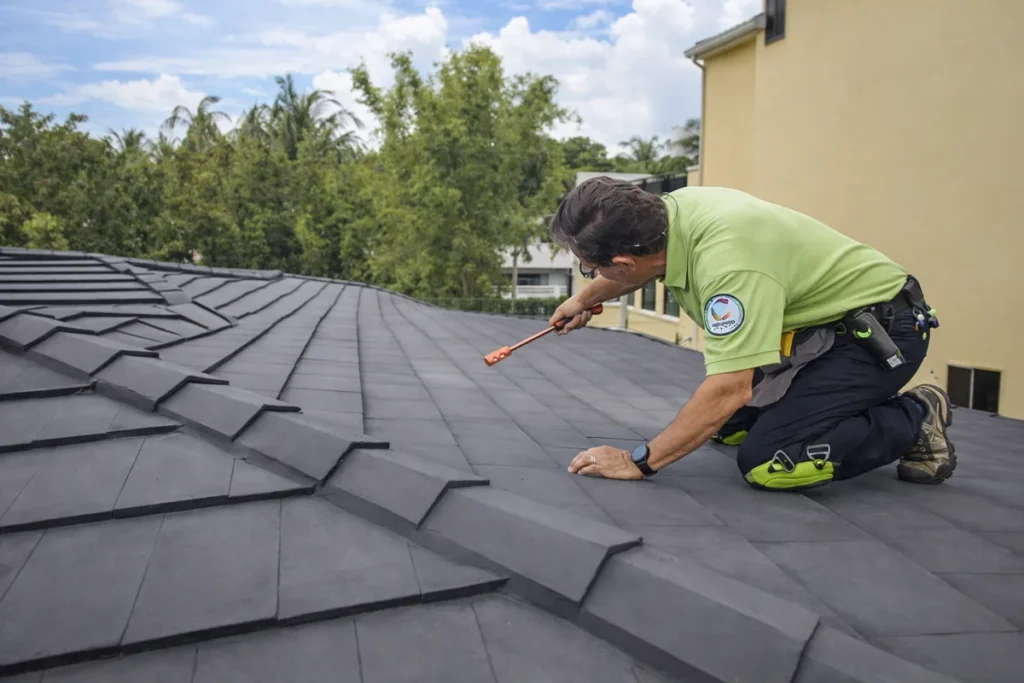
Every property is different, but several areas deserve particular attention in Miami-Dade and Broward County.
Roof Condition
Look for damaged covering materials, visible leaks, deteriorated flashing, drainage concerns, or signs that the roof may be approaching the end of its useful life.
Roof findings can affect maintenance planning and may lead an insurance carrier to request additional documentation. When the inspection raises a concern, a licensed roofing professional may need to determine the repair scope or provide an estimate.
Electrical Safety
Outdated equipment, damaged wiring, overheated components, unsafe modifications, and missing protection devices may require evaluation by a licensed electrician.
The home inspector records visible conditions. Electrical load calculations, concealed wiring analysis, and repair design fall outside a standard visual inspection.
Plumbing and Water Damage
Leaks, corrosion, damaged fixtures, poor drainage, and older pipe materials can lead to further investigation. Some South Florida properties also have aging cast iron drainage systems that cannot be fully evaluated through a general visual inspection.
When the property history or visible evidence raises questions, the inspector may recommend a sewer camera inspection or assessment by a licensed plumber.
HVAC Performance and Humidity
Air conditioning systems in South Florida operate under heavy heat and humidity. Buyers should review observations involving drainage, condensation, cooling performance, equipment condition, and visible moisture near the air handler.
An HVAC system can be operating during the inspection while still showing maintenance concerns. A qualified HVAC contractor can perform specialized testing and provide repair recommendations.
Moisture and Mold Indicators
Musty odors, staining, damaged drywall, condensation, and visible growth may indicate a moisture problem. The inspector may recommend further investigation to determine the source and appropriate response.
A standard home inspection does not provide laboratory confirmation of mold unless a separate service is performed. Learn more about the difference between mold inspection and mold testing in Miami.
What Are Your Options After Receiving the Report?
The inspection report helps support your decision, but it does not determine the outcome of the purchase.
Depending on the contract, the findings, and professional advice, a buyer may be able to:
- Continue with the purchase in the property’s current condition.
- Ask the seller to repair selected items.
- Request a credit or another negotiated solution.
- Obtain estimates from licensed contractors.
- Schedule specialized inspections.
- Exercise rights available under the inspection contingency.
These options are not universal. Florida transactions may use different contract forms, inspection periods, and repair provisions. Consult your real estate agent or attorney before sending a formal request or making a contractual decision.
Requesting Repairs After a Home Inspection
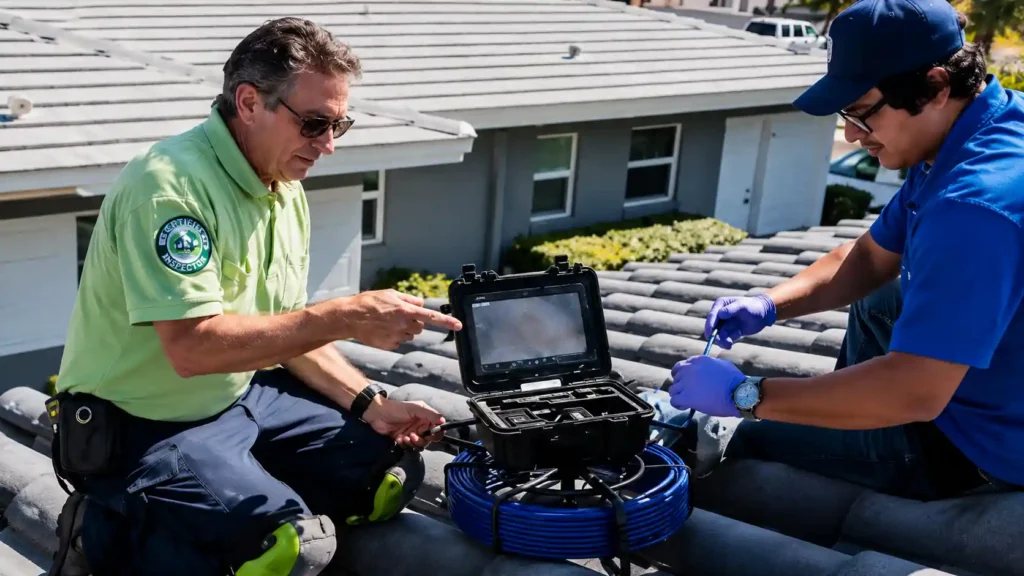
A request that simply copies every observation from the report can make negotiations more difficult. Start by identifying findings that could affect safety, active damage, operation of a major system, insurance eligibility, or a significant near-term expense.
Cosmetic concerns and routine maintenance may still matter to you, but they usually deserve different treatment from an active roof leak or an unsafe electrical condition.
When requesting repairs, clarify:
- Which condition should be addressed.
- Which type of licensed professional should perform the work.
- Whether permits may be required.
- What receipts, warranties, photographs, or other documentation should be provided.
- Whether the repaired area should be reinspected.
The inspector should not decide what the seller must repair. Repair obligations and negotiation rights depend on the purchase contract. Florida Realtors also advises buyers to keep inspection findings in perspective because many reported conditions are minor or repairable.
When Is a Reinspection Recommended?
A reinspection may be useful when the parties agree that specific items will be repaired before closing.
During this visit, the inspector returns to review accessible areas associated with the original findings. The purpose is usually to determine whether the visible condition has changed and whether the repaired component can be operated or observed.
A reinspection has limitations. The inspector may not be able to confirm work concealed behind walls or verify every method used by the contractor. Receipts, permits, warranties, and invoices can provide additional documentation.
If a repair involves roofing, electrical work, plumbing, HVAC, or structural components, buyers should confirm whether an appropriately licensed contractor completed it. Significant work may also require permits or specialist documentation.
Can a Home Inspection Report Affect Insurance or Closing?
A Full Home Inspection Report is prepared primarily for the client who ordered the inspection. It helps that client understand the visible condition of the property.
An insurance company may request different documentation before issuing or renewing coverage. Depending on the home and carrier, this could include:
- A 4-Point Inspection Report.
- A Wind Mitigation Inspection Report.
- A Roof Inspection Report.
- Photographs, permits, invoices, or proof of updates.
These reports have different purposes. A 4-Point Inspection focuses on the roof, electrical, plumbing, and HVAC systems for underwriting review. A Wind Mitigation Inspection documents qualifying construction features associated with wind resistance and potential insurance credits.
Citizens Property Insurance currently requires a four-point inspection with applications for covered property types that are more than 20 years old. Other carriers can apply different underwriting rules, so buyers should ask their insurance agent which documents are needed for the specific property.
A finding does not automatically prevent the purchase from closing. It can create additional steps if the carrier requests repairs or documentation. Buyers who need financing should begin the insurance process early enough to address those questions before closing.
When Is a Home Inspection Report Requested?

The phrase “inspection report” can refer to several documents. Identifying who requested the inspection helps clarify what the report is expected to accomplish.
Buyers During a Real Estate Transaction
A buyer commonly orders a Full Home Inspection during the inspection period. The report helps the buyer evaluate the property, identify visible concerns, request additional evaluations, and make decisions allowed by the contract.
The buyer should share relevant findings with the real estate agent and any specialists involved in the transaction. The complete report generally belongs to the client who purchased the inspection.
Sellers Before Listing a Property
A seller may order a Pre-Listing Inspection before placing the home on the market. This provides an opportunity to identify concerns, plan repairs, collect documentation, and prepare for questions from buyers.
A seller’s pre-listing report does not replace the buyer’s right to hire an independent inspector. It can provide useful background and show how previously identified conditions were addressed.
Insurance Companies
An insurance carrier may request a specific inspection form rather than the buyer’s Full Home Inspection Report. The carrier’s underwriter reviews the documentation and makes decisions about eligibility, required repairs, coverage, or available credits.
Buyers should confirm requirements with their insurance agent before ordering a report solely for insurance purposes.
Homeowners After a Storm
After a hurricane or major storm, a homeowner may request an inspection to document visible conditions and identify areas that need specialist evaluation.
This type of inspection serves a different purpose from an insurance claim inspection. The insurer’s adjuster evaluates the claim according to the policy. A home inspector cannot determine coverage or replace the adjuster.
New Construction Buyers
A newly built home may be inspected during construction, before closing, or before the builder’s warranty expires.
The resulting report can document visible defects and incomplete work for discussion with the builder. Municipal building inspections and an independent home inspection also have different scopes. A buyer should understand what each inspection covers before relying on either one.
What Should Buyers Keep After the Inspection?
Create a property file containing the complete report and related records. Useful documents include:
- The original digital home inspection report.
- Photographs and specialist evaluations.
- Repair agreements and written responses from the seller.
- Contractor invoices and warranties.
- Permits associated with completed work.
- 4-Point, Wind Mitigation, or Roof Inspection reports.
- Insurance correspondence relevant to the property.
- Reinspection documentation.
These records can help with maintenance planning, future insurance questions, renovations, and a later sale.
Home Inspections for Buyers in Miami-Dade and Broward
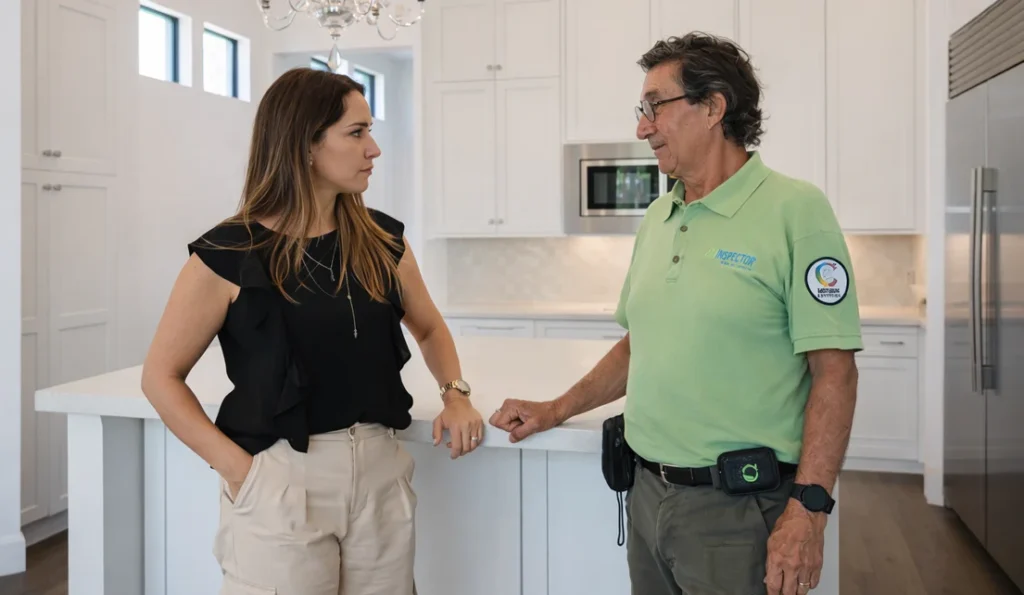
A useful home inspection report should help you understand the property without turning normal maintenance into unnecessary alarm.
Home Inspection Halley has served South Florida property owners and buyers for more than 21 years and has completed over 15,000 inspections. Our inspectors evaluate accessible, visible systems and provide detailed digital reports with photographs and practical observations.
We offer Full Home Inspections, 4-Point Inspections, Wind Mitigation Inspections, and Roof Inspections throughout Miami-Dade and Broward County.
If you are buying a home, schedule the inspection early enough to review the findings and complete any necessary evaluations within your contractual timeline. Contact Home Inspection Halley to schedule your inspection.
What Happens After a Home Inspection? Final Steps
After receiving the report, read the complete document and ask the inspector to clarify observations you do not understand. Prioritize active damage, safety concerns, major systems, and conditions that may affect insurance or closing.
Discuss contractual decisions with your real estate agent or attorney. Bring in licensed specialists when the report recommends further evaluation. If repairs are completed before closing, collect documentation and consider whether a reinspection is appropriate.
Knowing what happens after a home inspection allows you to use the report as intended: a detailed source of information about the property’s visible condition and a guide for the decisions that follow.
Frequently Asked Questions

How long does it take to receive a home inspection report?
Delivery time depends on the inspector and the complexity of the property. Ask the inspection company about its reporting schedule when booking, especially if your purchase contract has a short inspection period.
Who receives the home inspection report?
The report is prepared for the client who ordered and paid for the inspection. That client can decide whether to share it with a real estate agent, attorney, contractor, seller, or insurance professional.
Does the seller automatically receive the buyer’s report?
The seller does not necessarily receive the complete report automatically. The contract or a repair request may require the buyer to provide relevant documentation. Buyers should follow guidance from their real estate agent or attorney.
What repairs should a buyer request after a home inspection?
Buyers often prioritize safety hazards, active leaks, major system defects, structural concerns, and conditions that could affect insurance. The final request depends on the contract, the buyer’s priorities, and the negotiation.
Can a home inspection report affect homeowners insurance?
Findings involving the roof, electrical system, plumbing, or HVAC may lead to insurance questions. The carrier may request a separate 4-Point, Wind Mitigation, or Roof Inspection Report before making an underwriting decision.
Should repaired items be reinspected?
A reinspection may be helpful for significant repairs or conditions that were central to the negotiation. It provides another visual review, although it cannot verify concealed work or replace contractor documentation.
Is a pre-listing inspection report enough for a buyer?
A pre-listing report can provide useful information, but buyers should consider hiring an independent inspector who works directly for them and evaluates the property under the agreed inspection scope.