Between 2001 and 2009, thousands of Florida homes were built with Chinese drywall, a construction material later linked to corrosion complaints across the United States.
What initially appeared to be a normal construction material soon raised concerns among homeowners, inspectors, and public agencies. Federal investigations by the U.S. Consumer Product Safety Commission (CPSC) and the Florida Department of Health later examined the connection between these issues and certain imported drywall materials.
Because Florida experienced a major housing boom and large-scale hurricane rebuilding during those years, many affected homes may still be on the market today. Keep reading to learn what Chinese drywall is and how a professional inspection can help protect your property investment.
What Is Chinese Drywall?
Chinese drywall refers to drywall imported from China and other countries during the early 2000s housing boom. Builders used it widely between 2001 and 2009 when domestic drywall supplies could not keep up with demand.
The issue was not drywall itself. Drywall is normally made from gypsum and widely used in residential construction. The concern involved specific batches of imported drywall linked to the release of sulfur compounds.
Studies conducted by the U.S. Consumer Product Safety Commission found that some drywall emitted hydrogen sulfide and other sulfur gases. These gases were associated with corrosion of metals inside the home.
Components commonly affected include:
• Copper electrical wiring
• Air conditioning evaporator coils
• Electrical contacts and appliances
• Plumbing fixtures and metal hardware.
Because of these reports, the material became widely known as problem drywall or Chinese drywall in home inspections and real estate transactions.
Why Chinese Drywall Became a Major Issue in Florida
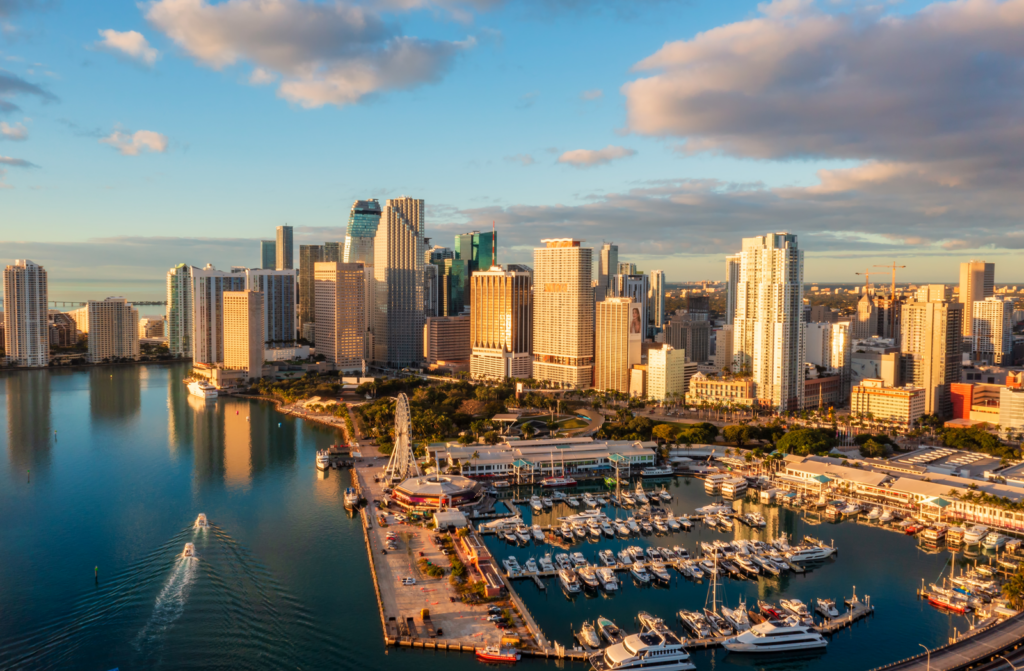
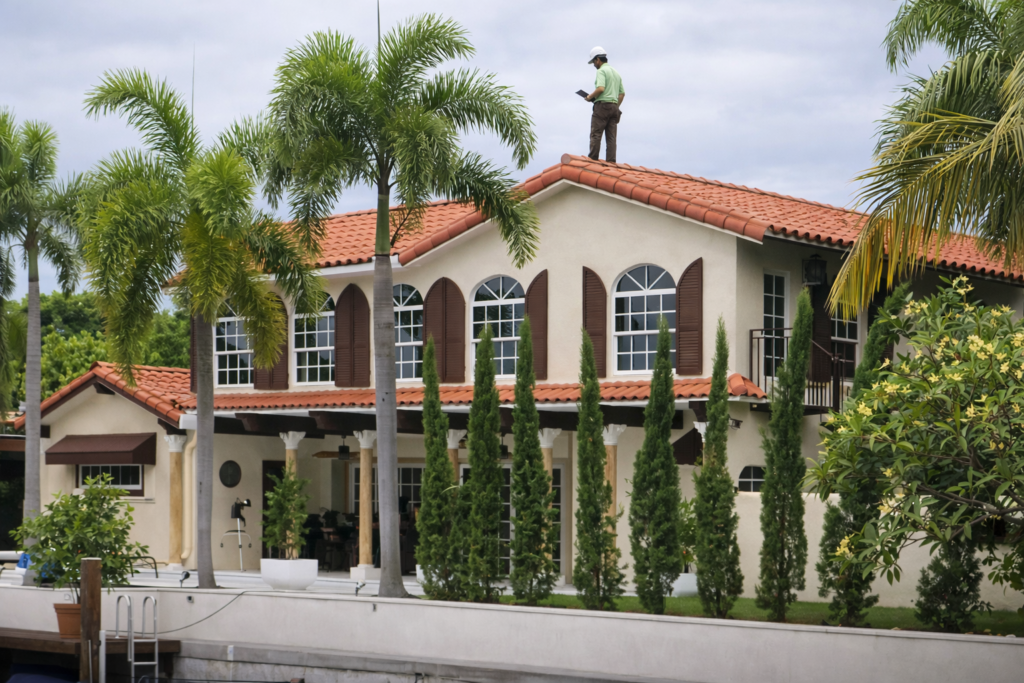
Florida’s housing market expanded rapidly in the early 2000s. Cities such as Miami, Fort Lauderdale, and West Palm Beach experienced large residential developments and condominium construction.
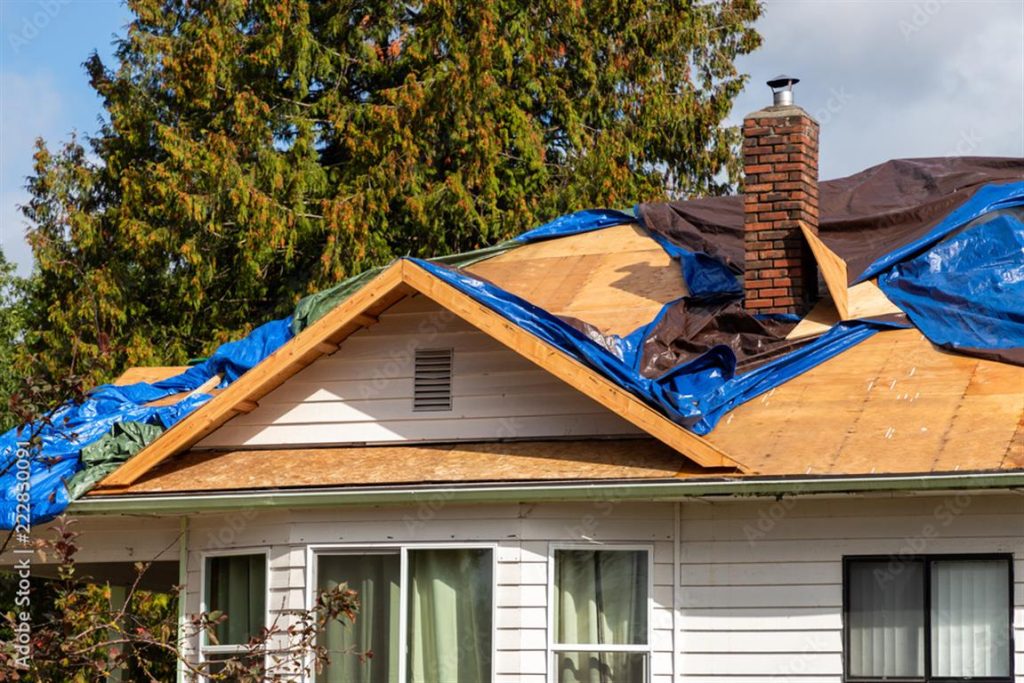
At the same time, the state was hit by major hurricanes in 2004 and 2005, which created a massive demand for rebuilding and repair materials. This sudden demand caused shortages in domestic drywall supply.
To keep construction projects moving, many builders began importing drywall from overseas manufacturers.
Two factors made Florida especially vulnerable to Chinese drywall:
Construction Volume
Florida built tens of thousands of homes during the housing boom. Even a small percentage of imported drywall affected a large number of properties.
Climate Conditions
South Florida’s heat and humidity accelerate metal corrosion. If drywall released sulfur gases, the local climate could intensify the damage to copper wiring and HVAC components.
Because of these conditions, many cases were reported across South Florida properties in Miami-Dade, Broward, and Palm Beach counties.
The Real Dangers of Chinese Drywall
Chinese drywall problems go beyond unpleasant odors. In some cases, the material can damage multiple systems inside a home.
Damage to Electrical Systems
Sulfur gases can react with copper and other metals. Over time, this may cause:
• corrosion of electrical wiring
• damaged electrical contacts
• malfunctioning outlets and switches
This deterioration can increase the risk of electrical failures and costly repairs.
Air Conditioning System Failure
In Florida homes, the HVAC system is often one of the first components affected.
Sulfur compounds can corrode copper evaporator coils. This may cause refrigerant leaks and repeated coil replacements. Because air conditioning runs almost year-round in South Florida, these systems are especially vulnerable.
Possible Health Concerns
Some residents have reported symptoms such as:
• headaches
• eye irritation
• respiratory discomfort
Research on long-term health effects remains limited. However, sulfur gases such as hydrogen sulfide are known irritants, which raised concerns among homeowners and public health authorities.
Repair Costs and Insurance Challenges
Chinese drywall can create serious financial concerns for homeowners because the damage often affects multiple systems in the home.
In many cases, remediation requires removing the drywall and replacing components that were exposed to sulfur gases.
Because the damage often affects multiple systems, repair costs can be high. According to construction industry reports and settlement programs related to Chinese drywall cases, remediation can sometimes cost between $80,000 and $150,000 per home, depending on the extent of the damage.
Need a 4 Point Inspection
in Miami-Dade or Broward?
Insurance coverage has also been a challenge for many homeowners. Some insurance companies have denied claims because drywall problems may be classified as construction defects or defective building materials, which are often excluded from standard homeowners policies.
As a result, documentation from a professional home inspection can be important when evaluating the condition of a property before purchasing or filing insurance claims.
Hidden Clues Most Buyers Miss
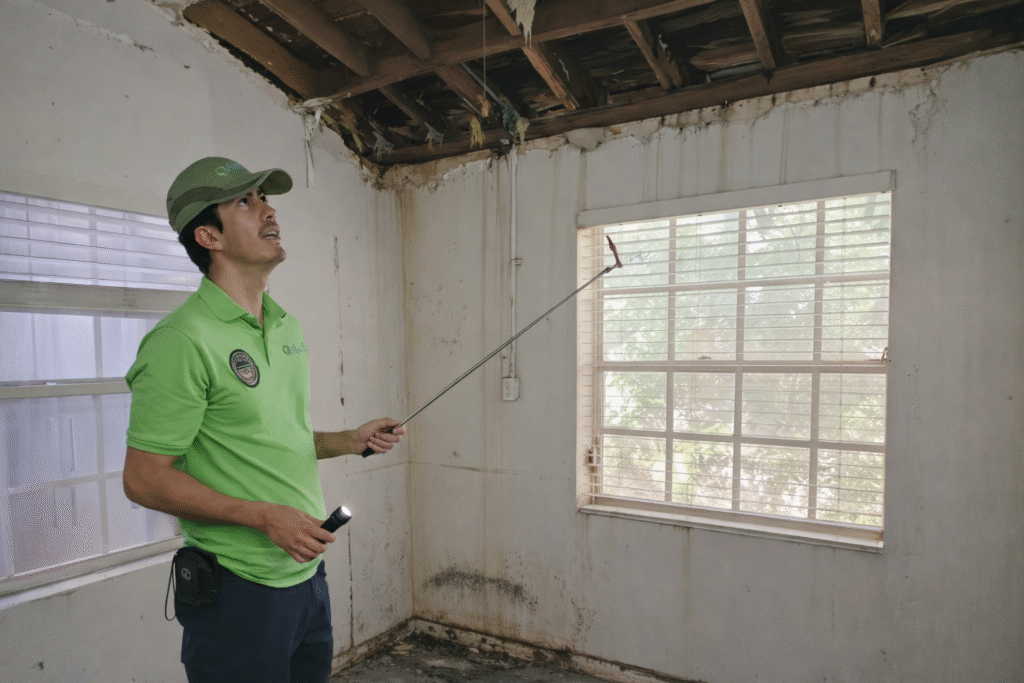
Many buyers do not recognize Chinese drywall during a typical property showing. However, experienced inspectors often notice subtle indicators.
Repeated HVAC Replacements
If service records show multiple evaporator coil replacements within a few years, inspectors may investigate further.
Corrosion Inside Electrical Panels
Darkened or brittle grounding wires inside the panel can indicate chemical corrosion.
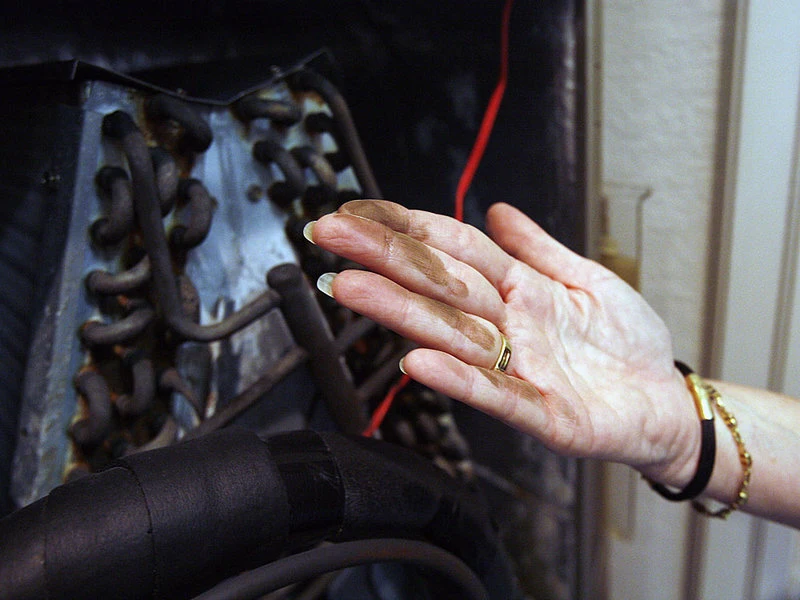
Black Residue on Copper Lines
This residue sometimes appears on exposed refrigerant lines near the air handler.
Garage or Attic Drywall Stamps
Some imported drywall contains manufacturer markings such as:
• Knauf Tianjin
• Taishan Gypsum
These brands became widely known during federal drywall investigations.
What To Do If You Suspect Chinese Drywall
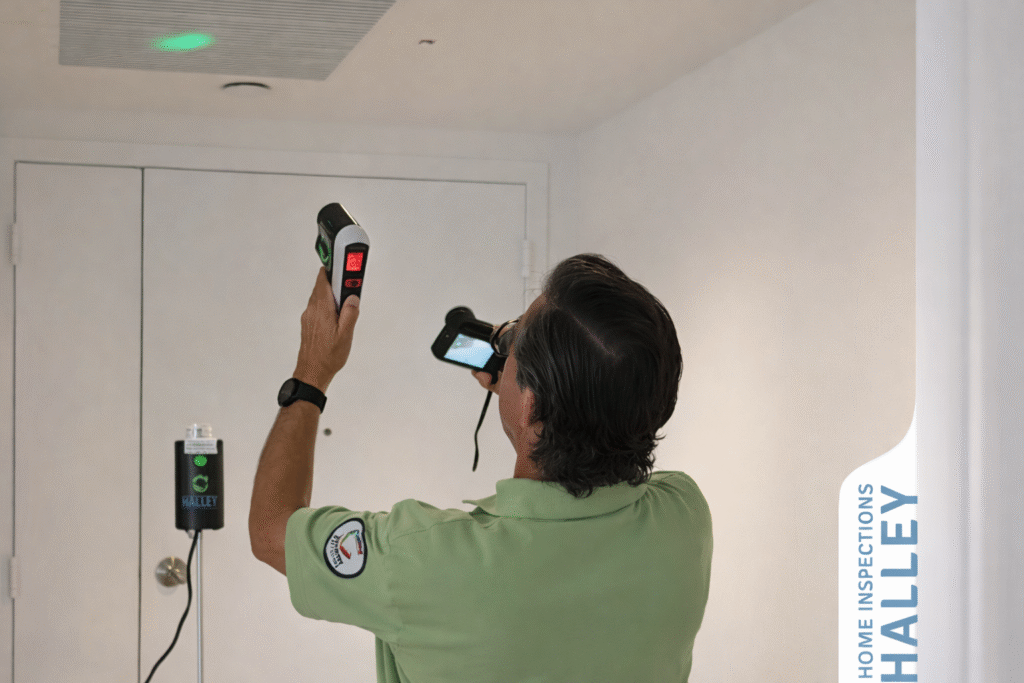
If you notice corrosion or sulfur odors inside your home, early action is important.
Start with these steps:
• Schedule a professional home inspection
• Document corrosion, HVAC failures, or unusual odors
• Avoid unreliable DIY drywall testing kits
• Work with inspectors experienced with Florida drywall cases
Early identification can help prevent further damage to electrical systems and HVAC equipment.
Signs of Chinese Drywall That Home Inspectors Look For
Chinese drywall often reveals itself through patterns of corrosion and unusual odors. Homeowners frequently notice several issues occurring at the same time.
Common warning signs include:
• Strong sulfur or rotten egg smell inside the home
• Black or dark corrosion on copper wiring near electrical panels
• Premature failure of air conditioning systems
• Corroded HVAC evaporator coils inside the air handler
• Blackened grounding wires or electrical connections
• Corrosion on plumbing valves, chrome fixtures, or metal hardware
• Frequent appliance failures, including refrigerators or microwaves
One distinctive clue inspectors often observe is blackened copper surfaces, which appear darker than normal oxidation.
Another possible indicator is drywall labeling on the back of panels in unfinished areas such as garages or attics. These signs alone do not confirm Chinese drywall, but they are strong reasons to request a professional home inspection from experienced home inspectors in Florida.
Home inspectors may also use specialized tools such as:
• thermal imaging cameras to detect hidden conditions
• moisture meters to identify humidity or water issues
• detailed visual inspection of structural and mechanical systems.
If strong indicators are present, inspectors may recommend additional testing or environmental evaluation.
Home Inspection Halley. Professional Home Inspectors in South Florida
If you are buying a home or noticing corrosion, sulfur odors, or repeated HVAC issues, a professional inspection can help determine what may be happening behind the walls.
At Home Inspection Halley, we help buyers, homeowners, and investors make confident decisions about their properties.
Our team of certified home inspectors in South Florida brings more than 21 years of experience in the home inspection industry, supported by over 15 thousands inspections conducted across our national inspection network.
That experience allows us to recognize warning signs many people miss, including indicators associated with Chinese drywall in Florida homes.
Our goal is simple. Provide clear information so you can make informed decisions about your property.
Need a 4 Point Inspection
in Miami-Dade or Broward?
Who Should Consider a Chinese Drywall Inspection?
- Home Buyers: If you are purchasing a home built or renovated between 2001 and 2009, a drywall inspection can help identify potential risks before closing.
- Homeowners: Unusual odors, frequent HVAC repairs, or corrosion around wiring may be signs worth investigating.
- Real Estate Investors: Investors purchasing multiple properties often use inspections to avoid expensive remediation surprises.
- Condo Owners: Many Florida condominiums were renovated during the construction boom, and imported drywall may have been used in some units or shared building areas.
Schedule a Chinese Drywall Inspection Today
Chinese drywall refers to certain imported drywall materials used in many U.S. homes between 2001 and 2009. Some batches were linked to sulfur gas emissions that caused corrosion of copper wiring, HVAC components, and metal fixtures. Florida experienced many reported cases due to its construction boom and hurricane rebuilding period.
If you’re purchasing a Florida home built between 2001 and 2009, a professional inspection can help identify potential issues before closing. Home Inspection Halley is here to help.
Schedule your inspection today and get the clarity you need to move forward with confidence.