Buying a home in Florida sounds simple. Then insurance companies enter the picture. Suddenly, the roof becomes the deal breaker.
Homeowners’ roof insurance in Florida is often the hidden factor that delays approvals, increases costs, or even stops a closing entirely. A roof that looks “fine” to a buyer can raise serious concerns for an insurer.
Many buyers only discover too late that roof age, condition, and structure can change everything—approval, premiums, and whether the deal moves forward at all.
Let’s break down:
- What insurers actually look for,
- What really matters beyond age,
- How to avoid surprises before you close.
How Old Can a Roof Be for homeowners’ roof insurance in Florida?
When it comes to roof insurance in Florida, insurers typically start paying closer attention once a roof reaches around 15 years.
Some companies will still insure roofs up to 20 years old. After that, it becomes harder. Not impossible, but harder.
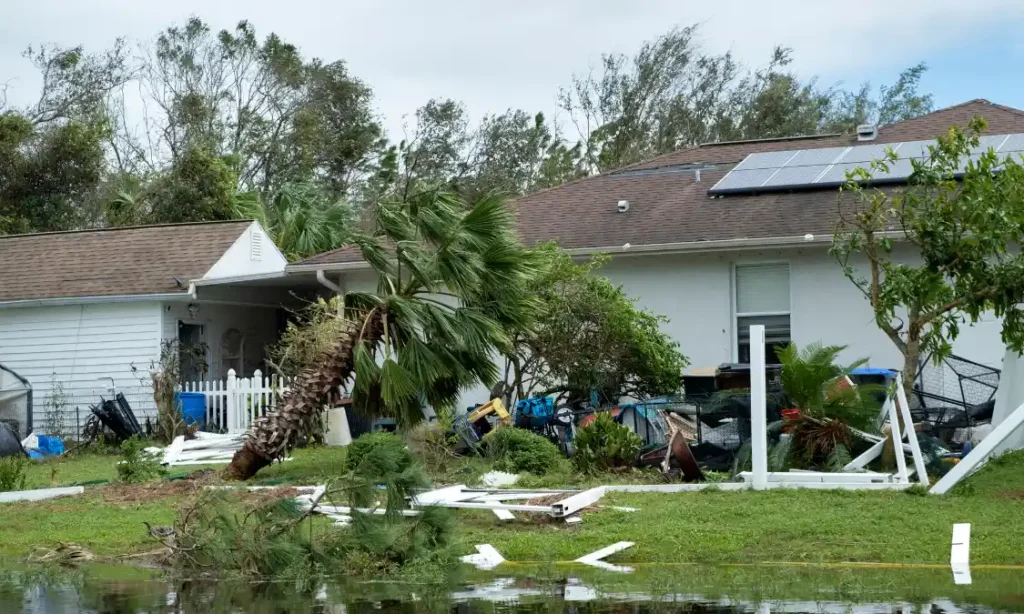
Why? Florida is harsh on roofs.
- Strong sun
- Heavy rain
- Humidity
- Hurricanes
All of this shortens the lifespan.
According to the Florida Office of Insurance Regulation, roof condition is one of the top factors in underwriting decisions.
Typical lifespan guidelines:
- Asphalt shingles. 15 to 20 years
- Tile roofs. 20 to 30 years
- Metal roofs. 30+ years
But here is what matters most. Age is just a number. Condition is everything.
A 17-year-old roof in great shape may pass. A 12-year-old roof with damage may fail.
How Age Affects Homeowners’ Roof Insurance in Florida
If you’re buying in Miami-Dade or Broward, roof age affects more than just one policy. It shapes your entire insurance profile.
Homeowners Insurance (HO3)
This is your main protection.
Older roofs often mean:
- Higher premiums
- Stricter conditions
- Limited coverage
Windstorm Insurance
In Florida, this is critical. A weak roof increases the chance of storm damage. Insurers price that risk aggressively.
Citizens Insurance
Florida’s state-backed insurer. It is often the fallback option. But it still requires roofs to meet condition standards.
Source: https://www.citizensfla.com
Actual Cash Value vs Replacement Cost
If the roof is too old, insurers may switch your policy to Actual Cash Value (ACV).
That means depreciation is applied. If damage happens, you may receive far less than expected.
How Roof-to-Wall Connections Impact Roof Insurance in Florida
To fully understand homeowners’ roof insurance in Florida, you need to look beyond age and focus on how the roof is attached to the structure.
According to industry data, a strong roof-to-wall connection can reduce the windstorm portion of your premium by around 35%. That is a major difference.
Why do insurers care so much about roof connections?
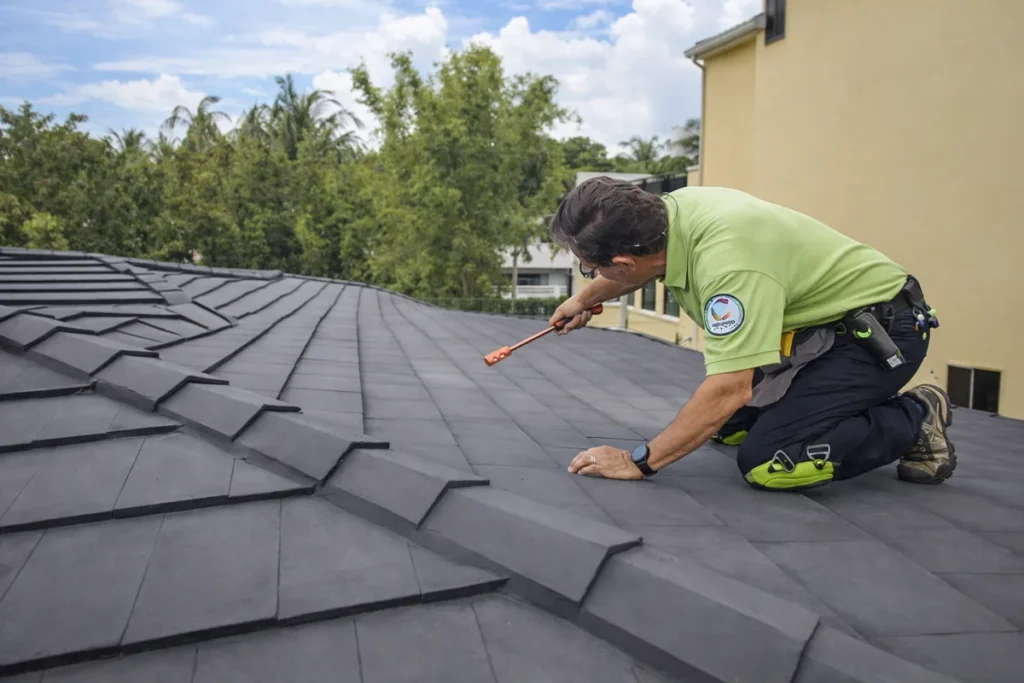
Most major claims in Florida are due to wind damage. When strong winds hit, they try to lift the roof off the structure. This is called uplift force. If the connection between the roof and the walls is weak, the risk of failure increases quickly.
That means:
- Higher chance of claims
- Higher cost for the insurer
- Higher premium for you
So even if your roof is newer, a weak connection can still hurt your insurance. That is why two homes with the same roof age can have very different insurance costs.
What types of roof-to-wall connections do insurance companies evaluate?
During a wind mitigation inspection, the inspector identifies the type of connection used. The result directly affects your insurance discounts.
Let’s break them down, from worst to best, with a clear focus on insurance impact.
1. Toe Nails. Why older roofs often cost more to insure
This is the most basic and weakest method. Common in homes built before the 1960s.
It uses nails driven at an angle from the roof structure into the wall. From an insurance perspective, this is a red flag. Why?
- Nails align with wind uplift force
- They can pull out easily during a storm
- They offer very little resistance
Insurance impact:
- No wind mitigation discount
- Higher perceived risk
- Higher premiums
- Possible difficulty getting coverage on older homes
This is one reason why older homes, even with a “good” roof, can still be expensive to insure.
2. Clips. The minimum level for meaningful insurance savings
Clips, also known as hurricane clips, are metal connectors. They secure the roof structure to the wall more effectively. They are designed to resist uplift forces better than nails alone.
Insurance impact:
- First level where discounts begin
- Lower risk compared to toe nails
- More favorable underwriting decisions
For many buyers, moving from toe nails to clips can already make a noticeable difference in premium.
3. Single Wraps. Stronger connection, better insurance outcomes
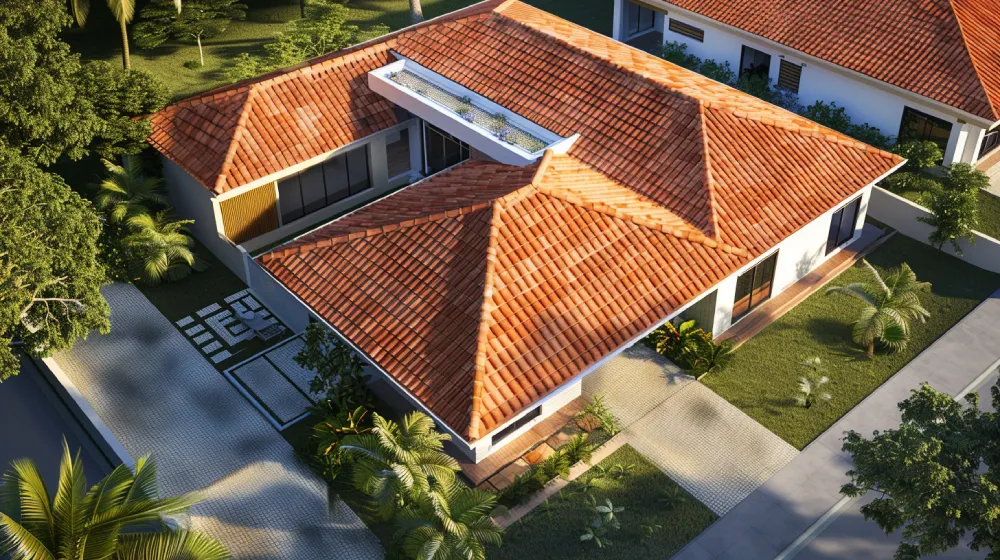
A single wrap is a metal strap that goes over the roof truss and is nailed on both sides.
This creates a stronger hold. But installation matters. If the nailing is not done correctly, insurers may downgrade it to a lower category.
Insurance impact:
- Better wind resistance
- Higher discounts than clips
- Lower long-term risk
Homes with this type of connection are seen as more resilient, especially in hurricane-prone areas.
4. Double Wraps. The best-case scenario for insurance
This is the strongest commonly recognized connection.
It uses:
- Two wraps, or
- A reinforced connector with multiple nails on both sides
It provides maximum resistance against uplift forces.
Insurance impact:
- Highest available discounts
- Lowest perceived wind risk
- Strong advantage during underwriting
The catch. It is less common, especially in older homes.
So, can I still get insurance with an older roof?
Yes. But you will need documentation. Insurance companies rely on inspections to reduce uncertainty.
What do insurers look for in homeowners’ roof insurance in Florida?:
- No active leaks
- No visible deterioration
- At least 3 to 5 years of remaining life
This is where the 4-point inspection becomes critical. However, a 4-point inspection is not a pass or fail test.
The process works like this:
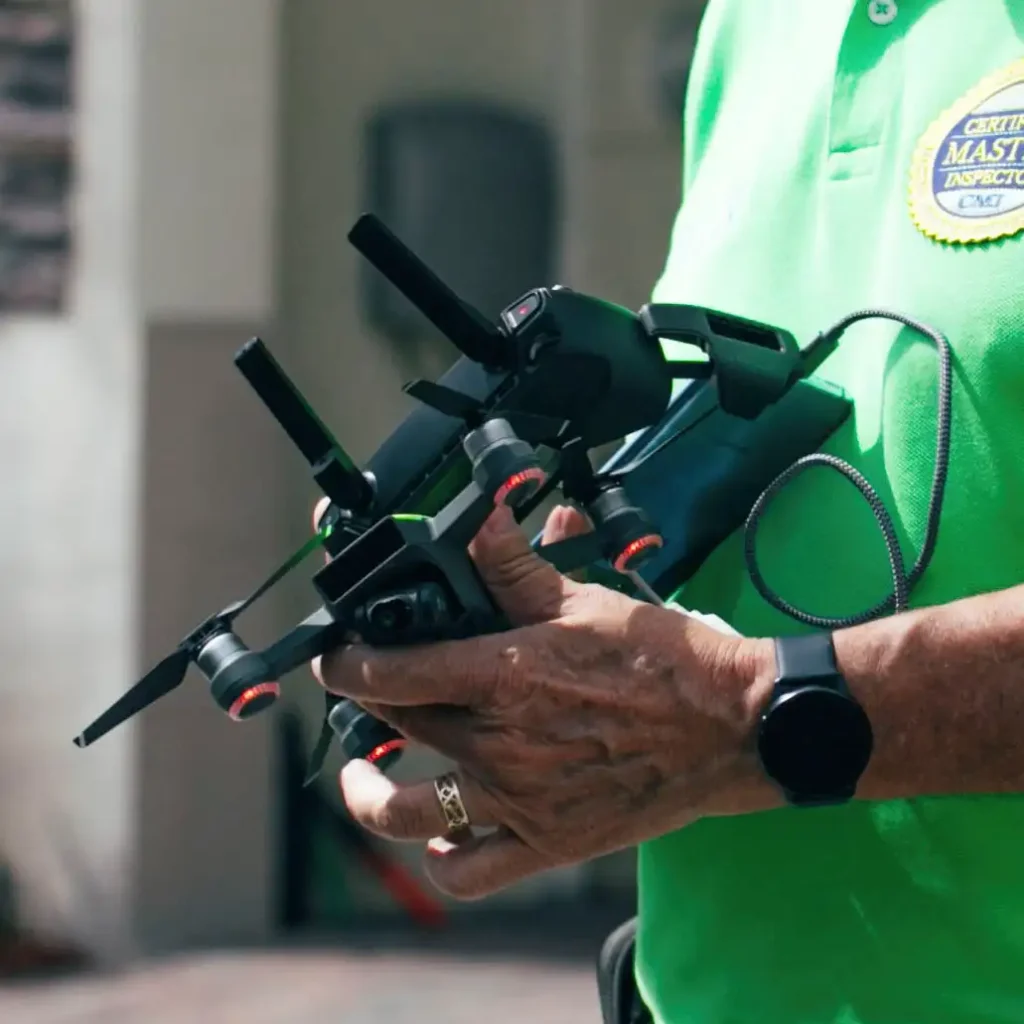
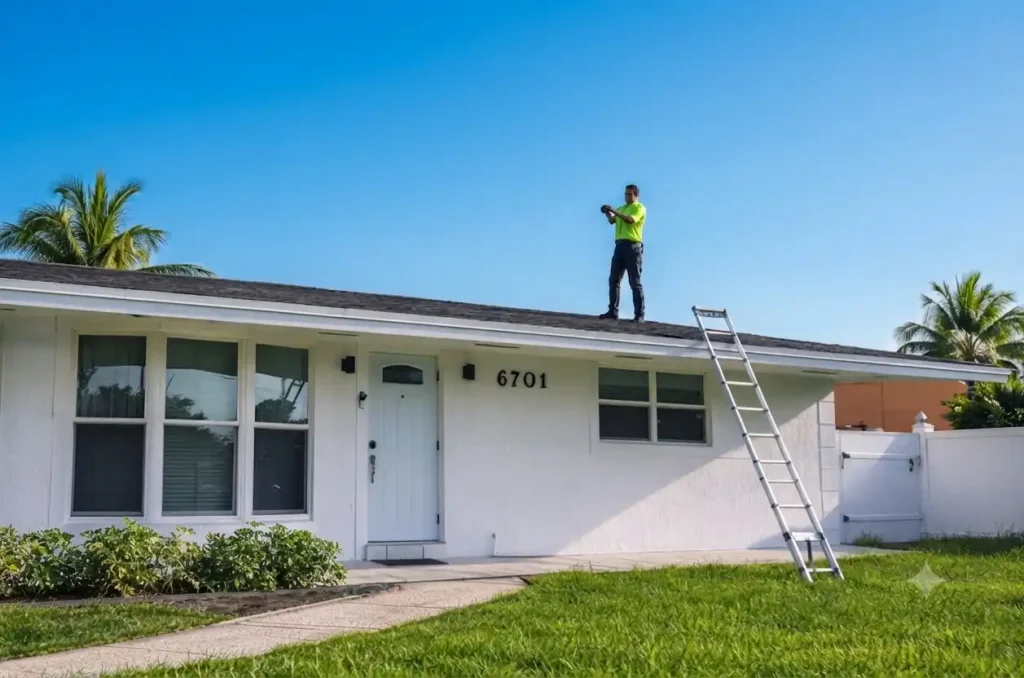
- The inspector documents the condition and takes photos
- The report is sent to the insurance company
- The underwriter, not the inspector, makes the decision
There are three possible outcomes:
- Approved
- Denied due to risk issues, like an aging or leaking roof
- Approved with conditions, often requiring repairs within 30 days
This explains why different insurers may give different answers for the same home.
What other details can quietly affect your insurance result?

There are small details that can make a big difference.
- If a connector is installed incorrectly, it may be downgraded
- If it has too few nails, it may not qualify for discounts
- If different connection types exist, the weakest one is used
This last point surprises many buyers. A home addition with weaker connections can impact the rating of the entire house.
Also, inspectors must include photo evidence in the official wind mitigation form (OIR-B1-1802). Insurers rely on this documentation to make decisions.
What should you do as a buyer?
Do not assume anything based on age alone.
Ask:
- What type of roof-to-wall connection does the home have?
- Has it been upgraded?
- Is there a recent wind mitigation report?
Then verify it with a professional inspection.
Need a 4 Point Inspection
in Miami-Dade or Broward?
Ready to Know If Your Roof Will Help or Hurt Your Insurance?
If you are buying in South Florida, you need clarity before you commit. Most buyers only discover roof issues after insurance rejects them. At that point, you’re already under pressure.
At Home Inspection Halley, we help you understand not just the age of the roof, but how it performs under real insurance standards.
With over 21 years of experience and more than 15,000 successful inspections, we know what insurers look for and what can raise red flags.
We provide:
- 4-point inspections
- Wind mitigation inspections
- Full home inspections
- Detailed roof and structural evaluations
We proudly serve Miami-Dade and Broward County.
Do not guess. Do not risk delays or denials.
Book your inspection with Home Inspection Halley today.