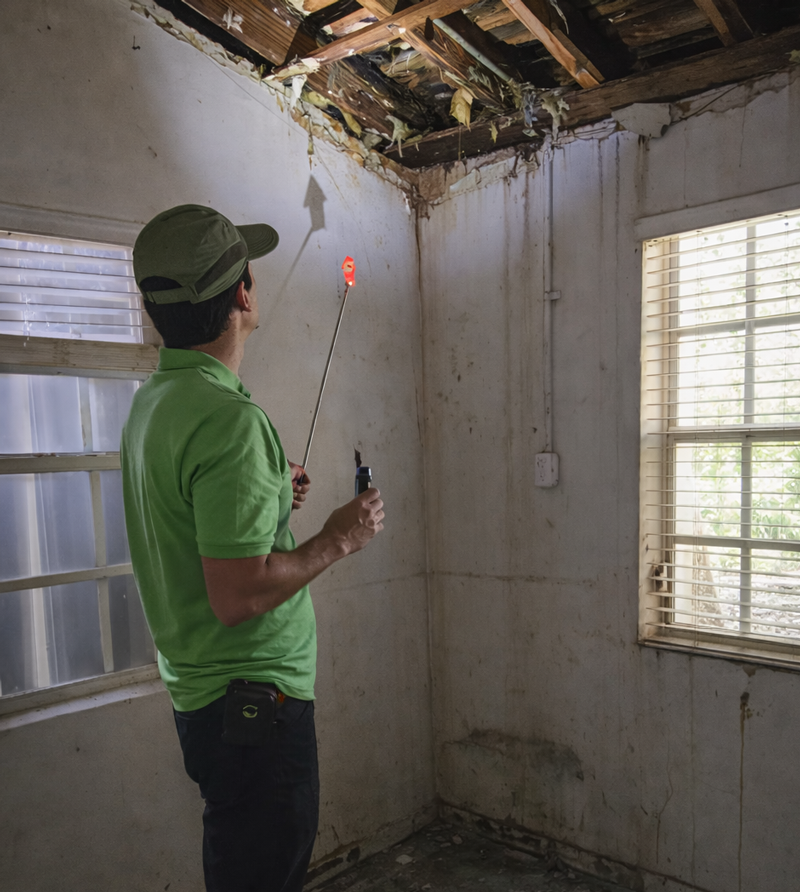
A new construction home comes with fresh finishes, modern systems, and a builder’s process behind it. That can make buyers wonder whether an independent inspection is necessary. If the property has already passed municipal inspections, why pay for another review?
The two inspections serve different purposes. Building officials check permitted work for compliance with the applicable code and local requirements. A private home inspector works for the buyer and provides a visual opinion of the accessible condition of the property at the time of the inspection. A permit or certificate of occupancy does not mean every finish, appliance, adjustment, or installation detail is perfect.
An independent inspection can identify items to document with the builder before closing, while the work is still under the builder’s control. It can also give you a clearer record for the final walk-through and for questions that arise during the first year of ownership.
Why New Construction Can Still Have Defects
New homes are assembled through many trades and schedules. Framing, windows, roofing, insulation, plumbing, electrical work, HVAC installation, cabinets, flooring, appliances, grading, and final finishes may be completed by different crews. A problem can appear when one trade’s work affects another system, or when a correction is missed during a busy closeout period.
Common examples include:
- Missing or incomplete flashing, sealant, or exterior drainage details.
- Damaged roof coverings, gutters, vents, or unfinished penetrations.
- Gaps in insulation, duct connections, or attic ventilation.
- Reversed outlets, missing covers, loose fixtures, or wiring concerns.
- Plumbing leaks, slow drains, poor fixture operation, or water-heater issues.
- HVAC condensate problems, blocked registers, uneven cooling, or control errors.
- Doors and windows that do not latch, lock, seal, or operate smoothly.
- Cabinets, tile, flooring, railings, or other finishes that are incomplete or damaged.
- Grading, drainage, or site conditions that direct water toward the structure.
An inspection does not guarantee that every concealed issue will be found. It creates a documented opportunity to address visible conditions before the transaction is finished.
Municipal Inspection versus an Independent Home Inspection
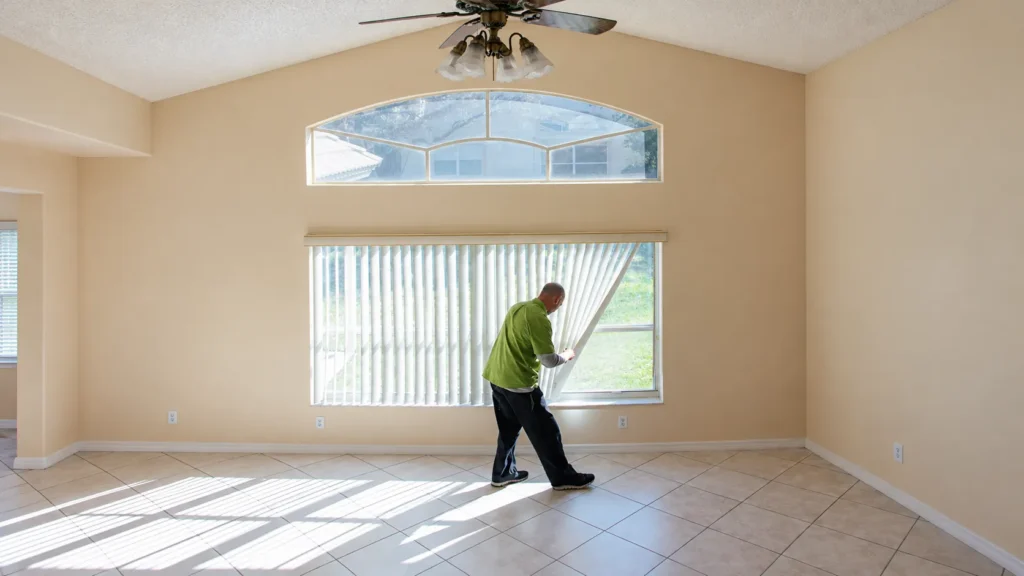
The local building department’s inspections are part of the permitting and code-enforcement process. A building official or authorized inspector checks required stages of permitted construction. The process may lead to a certificate of occupancy or completion when the jurisdiction’s requirements are satisfied.
A private home inspection has a different purpose. Under Florida’s licensing description, a home inspector provides a limited visual examination of readily accessible installed systems and components, followed by a written professional opinion. The inspector is not the building official, the builder’s quality-control manager, or the buyer’s attorney.
A certificate of occupancy is useful evidence that the jurisdiction approved the home for its intended occupancy. It does not replace a buyer’s inspection of operation, workmanship, finishes, or accessible conditions. Keep copies of permits, approvals, plans, warranties, and builder communications with your inspection records.
The Three Inspection Stages Buyers Should Know
The right timing depends on the construction schedule and the builder’s access rules. Some buyers use one inspection near completion. Others schedule separate inspections at meaningful construction stages.
Pre-pour or Foundation-stage Review
Before concrete or other work conceals the foundation and underground components, an appropriately qualified professional may review visible preparation, reinforcement, sleeves, and plumbing or drainage rough-ins. Access is controlled by the builder, and the scope must be agreed in advance.
This stage is not available for every purchase. If the home is already past the foundation phase, do not assume that a later inspection can recreate the same view. Ask the builder what has been completed and what documentation is available.
Pre-drywall Inspection
A pre-drywall inspection takes place after rough plumbing, electrical wiring, ductwork, framing, and other installed components are visible, but before insulation and drywall close the walls. It can give the inspector a chance to observe:
- Framing connections, openings, and visible structural components.
- Plumbing supply and drain lines.
- Electrical cables, boxes, junctions, and service routes.
- HVAC ducts, equipment connections, and penetrations.
- Window and door installation details that remain visible.
- Roof framing, attic pathways, or other accessible construction areas.
The inspector does not remove materials or direct the builder’s work. The report should distinguish observed conditions from items that were inaccessible or outside the inspection scope. Coordinate timing with the builder so the inspection occurs before the walls are closed.
Final or Pre-closing Inspection
The final inspection takes place when the home is substantially complete and utilities are on. It focuses on accessible installed systems, finished areas, fixtures, appliances, doors, windows, roof surfaces when accessible, drainage, safety conditions, and incomplete or damaged work.
A final inspection can produce a punch list for the builder. It is separate from the buyer’s final walk-through, although the findings can help guide that walk-through. Leave enough time in the contract schedule for the builder to respond and for a follow-up review when appropriate.
What to check during a new home inspection
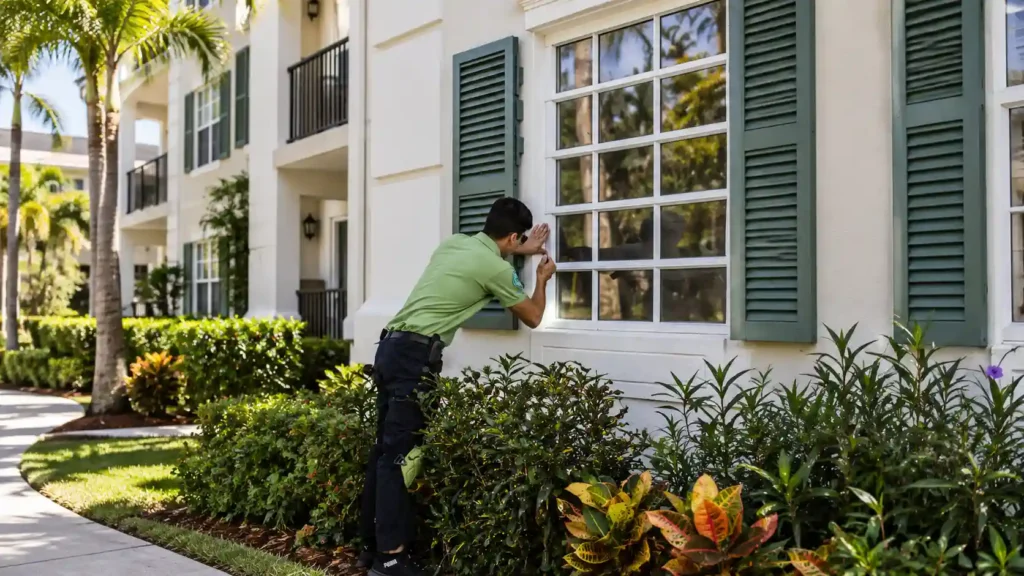
A new home inspection should follow the agreed scope and the actual stage of construction. These areas deserve attention.
Exterior, roof, and site drainage
Look for incomplete siding, stucco, masonry, trim, sealants, flashing, roof penetrations, gutters, downspouts, walkways, grading, and visible drainage routes. In Florida, heavy rain can expose problems that are not obvious on a dry day. Standing water, soil settlement, missing splash blocks, or discharge toward the foundation should be documented and discussed with the builder.
A private inspector may not be able to walk every roof surface or inspect concealed flashing. The report should state where access was limited and whether a roofing contractor or other specialist should review the condition.
Attic, insulation, and ventilation
Where accessible, review insulation coverage, ventilation openings, ductwork, framing, roof sheathing, wiring, and signs of moisture. Missing insulation or blocked ventilation can affect comfort and humidity control after the home is occupied.
Insulation may not be fully installed at the pre-drywall stage, and some components may be hidden at the final stage. Compare what is visible with the plans, builder information, and the inspection scope. Do not assume that a thermal image or visual observation proves the cause of an indoor comfort problem.
Electrical system and life-safety devices
Check the accessible service equipment, panel labeling, breakers, receptacles, switches, lighting, GFCI and AFCI protection where applicable, smoke alarms, carbon monoxide alarms, and visible wiring. A new panel or modern fixture can still have a loose connection, missing cover, mislabeled circuit, or installation concern.
An inspector should not dismantle energized equipment or perform a code-compliance audit beyond the agreed inspection scope. Electrical findings that require diagnosis or repair should go to a licensed electrician.
Plumbing, fixtures, and water heater
Operate accessible faucets, sinks, tubs, showers, toilets, hose connections, and appliances that use water. Observe drainage, water pressure, visible supply lines, shutoffs, traps, water heater connections, expansion provisions where applicable, and signs of leakage.
New materials do not prevent leaks. A loose fitting or poorly supported drain can be easier to correct before cabinets, finishes, or drywall are closed. Concealed piping remains outside a visual inspection unless another specialty service is arranged.
HVAC and moisture control
Confirm that the HVAC system starts, responds to controls, supplies air, and drains condensate as expected within the inspection scope. Look at accessible duct connections, insulation, registers, equipment clearances, filters, and visible signs of water or rust.
Florida homes depend on reliable air-conditioning and drainage to manage indoor humidity. An inspection can identify visible or operational concerns, but it does not replace commissioning, refrigerant testing, airflow balancing, or a service diagnosis by an HVAC professional.
Windows, doors, finishes, and appliances
Operate windows, exterior doors, locks, garage doors, cabinets, drawers, bathroom fixtures, exhaust fans, appliances, and safety devices that are accessible and connected. Look for damaged glass, failed seals, poor alignment, missing hardware, incomplete caulking, tile or flooring damage, paint defects, and unfinished trim.
Document incomplete work with photographs and a clear location. A written punch list is easier for the builder to use when each issue is specific rather than described as a general dissatisfaction with the home.
Need a Full Inspection
in Miami-Dade or Broward?
Builder Warranty and the 11-month Inspection
Many builders provide a warranty with its own terms, exclusions, notice procedures, and deadlines. Read the warranty documents instead of assuming that every issue discovered after closing is covered. Florida law also contains a limited statutory warranty provision for certain newly constructed homes and material code violations. Its application depends on the property and the facts, so buyers should obtain current advice from the builder, a licensed professional, or an attorney when a legal question matters.
An 11-month warranty inspection is scheduled before a typical one-year builder warranty period ends. The purpose is to document visible changes, settlement-related concerns, leaks, HVAC or plumbing issues, finish problems, and items that may need to be submitted under the warranty process. The exact timing should follow the warranty terms.
An 11-month inspection is not a guarantee that a defect will be accepted by the builder. It is a condition record that can help you communicate with the builder before a stated warranty deadline. Keep copies of the report, photographs, repair requests, responses, invoices, and any follow-up inspection.
How to work with the builder after an inspection
An inspection report is most useful when it leads to clear communication.
- Review the report and separate safety or operating concerns from cosmetic punch-list items.
- Ask the builder to respond in writing to each item that requires correction or clarification.
- Request documentation for repairs, substituted materials, permits, and manufacturer instructions when relevant.
- Recheck completed work when the contract or builder process allows a follow-up inspection.
- Keep the report and correspondence with your home records after closing.
Your real estate agent or attorney can explain how findings interact with the purchase contract. The inspector documents conditions and limitations, but does not control the builder’s response or decide what the contract requires.
What the inspection does not cover
A home inspection is a visual review of accessible conditions. It does not replace:
- A municipal permit or code inspection.
- An engineering evaluation of structural design or concealed construction.
- A survey, appraisal, or title review.
- A mold assessment, environmental test, or laboratory analysis.
- A full architectural or construction-defect investigation.
- A legal review of the purchase contract or builder warranty.
- A specialist test of concealed plumbing, refrigerant, electrical load, or building performance.
If the report recommends a specialist, arrange that review before a decision deadline whenever possible. A new home should be evaluated according to its stage, access, systems, and documentation.
Frequently Asked Questions
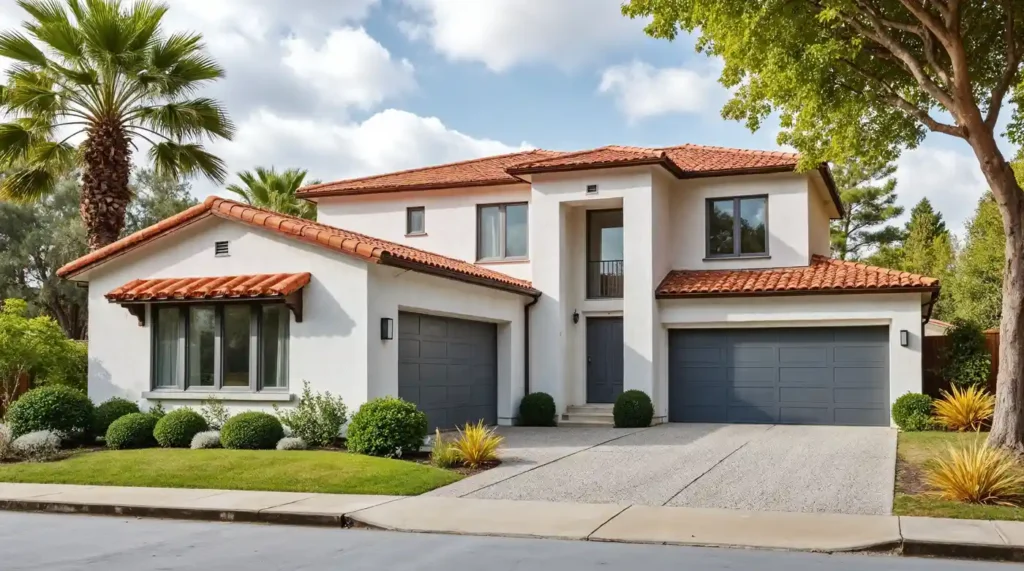
Is a home inspection required for a new construction home in Florida?
An independent inspection is not automatically required for every buyer. Contract terms, lender requirements, builder policies, and the buyer’s own risk tolerance can differ. A buyer who chooses to inspect should confirm the inspection period and access rules before signing or waiving a contingency.
Why inspect a new home if the county already inspected it?
The municipal inspection addresses the jurisdiction’s permitting and code-enforcement process. A private inspection gives the buyer a separate visual review of accessible workmanship, operation, finishes, and installed systems. The scopes overlap in places, but they are not the same service.
What is a pre-drywall inspection?
It is an inspection performed after major rough-ins are installed but before insulation and drywall conceal the walls. The inspector may observe visible framing, plumbing, electrical wiring, ducts, and penetrations. Access depends on the builder and the construction schedule.
What is an 11-month warranty inspection?
It is an inspection scheduled near the end of a builder’s stated warranty period to document conditions that may need to be reported under the warranty process. Follow the actual warranty language and deadline. The inspection does not guarantee that the builder will accept a claim.
Can an inspector check work that is hidden behind drywall?
No. A standard visual home inspection does not open walls or remove finished materials. If the inspection occurs before drywall, the inspector can report visible conditions that are accessible at that stage. Concealed work may require plans, photographs, permits, or a separate specialty evaluation.
Can a new construction inspection identify code violations?
An inspector may report visible conditions that appear unsafe, incomplete, or inconsistent with common installation practice. A private home inspection is not a municipal code inspection and does not provide a legal code determination. The building department or an appropriately qualified professional should address formal compliance questions.
A Practical Plan for Florida New-home Buyers

Schedule the inspection early enough to understand the builder’s access rules and the contract dates. If the home is still open, ask whether a pre-drywall review is possible. When the home is substantially complete, arrange a final inspection before closing and keep time for corrections or specialist follow-up. Near the end of the builder’s warranty period, consider an 11-month inspection if it fits the warranty terms.
Home Inspections HALLEY provides buyer-focused home inspections in South Florida with clear, photo-supported reports. Review the home inspection services, or contact HALLEY to discuss the appropriate scope for a new construction property.