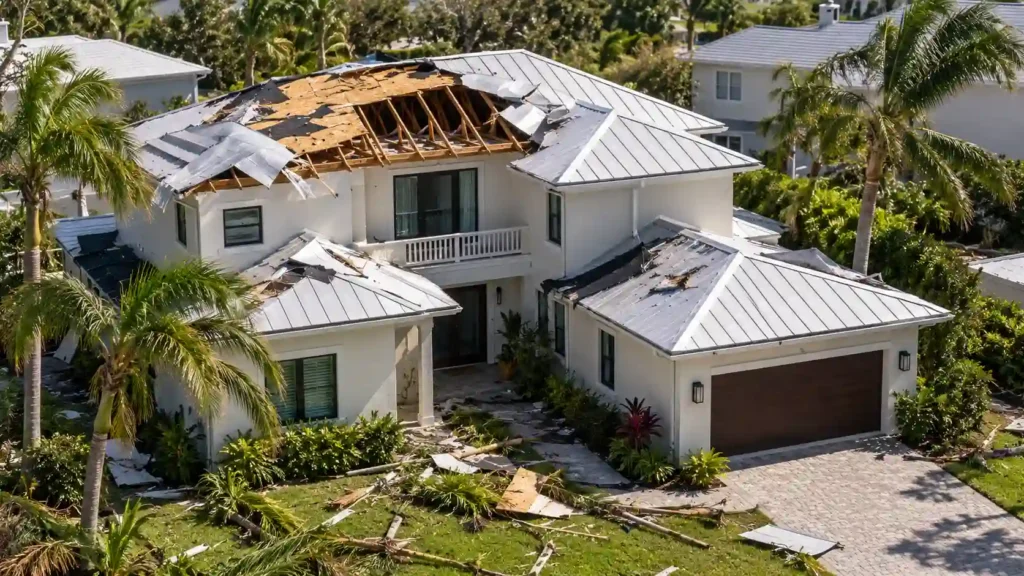
Florida homeowners often ask whether impact windows automatically lower their insurance premium. The short answer is no. Impact-rated windows may support a wind mitigation credit when they are properly installed, cover the openings that matter and can be documented on the current inspection form. The insurer makes the final decision after reviewing the inspection report and supporting records.
For a Miami-Dade or Broward home, the details are especially important. A wind mitigation inspection looks at the complete opening-protection system, not a single product label. That means windows, glazed doors, exterior doors, garage doors, skylights and the hardware used to protect them may all affect the result.
This guide explains how impact windows and hurricane shutters are evaluated, why partial protection can limit the credit and what to prepare before scheduling an inspection.
Can Hurricane Windows Lower Your Home Insurance Premium?
Florida insurers must offer wind mitigation discounts, but the discount applies to the windstorm portion of a policy rather than the entire premium. The amount depends on the mitigation features documented for the home and the carrier’s underwriting review.
Impact windows can help with the protected-openings section of a Uniform Mitigation Verification Inspection Form. They do not create an automatic credit simply because the product is advertised as hurricane-resistant. An inspector may need to confirm that the windows are labeled, approved for the installation and installed in a way that matches the documented opening.
The inspection report is evidence for the insurer. It is not a promise of savings. Your carrier reviews the completed form, any photos and the supporting documents before deciding whether a credit applies.
Impact Windows vs. Hurricane Shutters
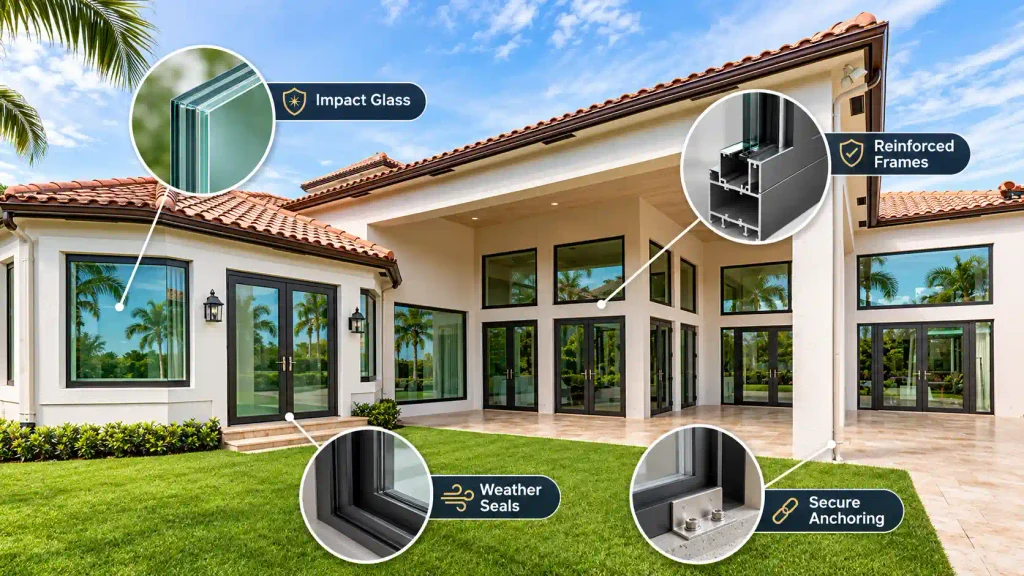
Impact windows and shutters can both provide opening protection, but they are documented differently.
Impact windows are permanent assemblies. The inspector may look for a product label, a manufacturer mark, a Florida Product Approval or Miami-Dade Notice of Acceptance when applicable, and evidence that the frame and fasteners are installed correctly. A permit, invoice or product approval packet can help when a label is difficult to read.
Hurricane shutters are removable or operable systems. Accordion shutters, roll-down shutters, storm panels and other approved systems may support protection when the tracks, anchors or permanent hardware are present and the panels match the openings. Stored panels alone may not be enough if the inspector cannot verify how they attach or whether they cover every required opening.
The key question is not which product you bought. It is whether the home has a complete, code-compliant and documentable opening-protection system.
What Opening Protection Features May Qualify?
Impact windows and glazed doors
Windows are only one part of the opening count. Sliding glass doors, French doors with glass, patio doors and large fixed glazing also need to be considered. An impact-rated window in the living room does not protect an unprotected glass door beside it.
Inspectors may check frame labels, visible fasteners, the condition of the assembly and the documentation that identifies the product. If the home has replacement windows from different installation periods, keep the records for each phase of work.
Hurricane shutters and storm panels
Shutters can be effective, but the installation details matter. Hardware should be permanently installed, accessible and appropriate for the shutter system. Panels should be identified and stored so the inspector can match them to the labeled openings. Product approvals, permits and installation invoices are useful when the hardware or rating is not obvious.
Garage doors, entry doors and skylights
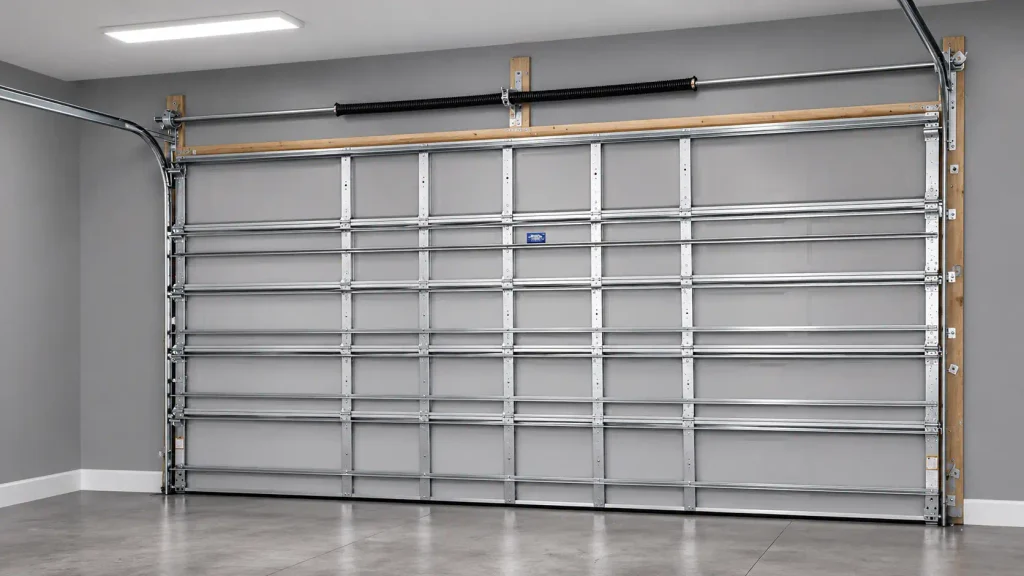
Garage doors are often the largest opening in a home and are easy to overlook. The inspector may need to see a label, approval or documentation showing that the door and its bracing are rated for the opening.
The same principle applies to exterior entry doors, side doors, utility doors, skylights and any other opening exposed to windborne debris. A protected window package can still produce a limited result if another required opening is not protected or cannot be verified.
Why Partial Protection Can Change the Result
Wind mitigation classifications are based on the home’s overall protection. In practical terms, the least-protected or least-documented opening can become the issue that limits the classification.
Common examples include:
- Impact windows installed only on the front of the house
- A sliding glass door replaced without matching approval documents
- Shutters with anchors but no panels that can be matched to the openings
- A garage door with no visible rating or bracing record
- A skylight or small bathroom window left outside the protection plan
This is why a homeowner should walk the entire exterior before the inspection. Compare every window and door with the permits, invoices, product approvals or shutter schedule you have. If an opening has been changed since the last report, flag it for the inspector.
How Inspectors Verify Hurricane Protection
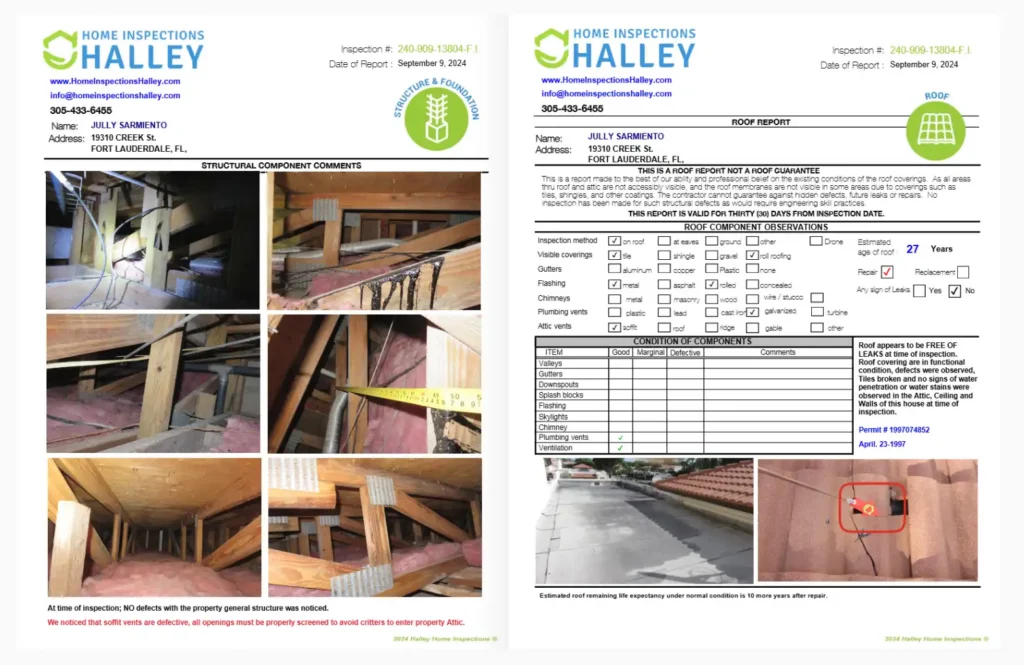
A qualified inspector documents the features that are visible, accessible and supported by evidence. For opening protection, that can include:
- Identifying labels or markings on windows, doors and shutters
- Photographing representative openings and the installed hardware
- Reviewing product approvals, Miami-Dade NOAs, permits and invoices
- Checking whether shutters and panels match the openings
- Recording the protection on the current Uniform Mitigation Verification Inspection Form
Florida’s 2026 form update matters. For inspections performed on or after April 1, 2026, inspectors use the OIR-B1-1802 Rev. 04/26 form for the residential properties covered by that form. The form is generally valid for five years when there are no material changes or inaccuracies, but a new inspection can be appropriate after window, door or shutter work.
A wind mitigation inspection is different from a 4-Point Inspection. The wind report documents storm-resistance features for insurance review. It does not replace a full home inspection or certify that every window is free of defects.
What Documentation Should Homeowners Keep?
The best records identify the exact opening-protection product installed at the property. Keep copies of:
- Window and door installation contracts
- Product approval numbers or Miami-Dade NOAs
- Permits and final approvals
- Shutter schedules and installation invoices
- Manufacturer specifications and warranty records
- Photos taken before walls or finishes concealed the anchors
Citizens advises policyholders to provide receipts, work orders, invoices, roofing permits, notices of acceptance and similar documents when a feature is not clearly marked or visible. Other insurers may request different evidence, so ask your carrier what it accepts.
Do not wait until the inspector arrives to search for paperwork. A labeled folder with records organized by room or elevation makes the inspection more efficient and reduces questions during underwriting.
When Should You Update Your Wind Mitigation Report?
Consider a new report when you:
- Install impact windows or doors
- Add or replace hurricane shutters
- Replace a garage door or skylight
- Complete work that changes the opening-protection system
- Discover that the prior report contains an error or no longer matches the home
A report can remain valid for up to five years when the home has not materially changed and the report remains accurate. However, the insurer may ask for an updated form sooner, especially when you want a new improvement documented. Ask the carrier whether it wants a new inspection before submitting an older report with new records.
Common Mistakes That Prevent an Opening-Protection Credit
Homeowners usually run into trouble for one of four reasons:
- Assuming the words “hurricane window” are enough without approval or installation evidence
- Protecting windows but forgetting the garage door, patio door or skylight
- Keeping shutters in storage without accessible, matching hardware
- Submitting a report that predates a material replacement
The fix is straightforward: document every opening, keep the records together and ask a qualified inspector to evaluate the current condition of the property.
Schedule a Wind Mitigation Inspection
Impact windows can be an important part of a Florida opening-protection plan, but the insurance question is decided by the complete system and the documentation behind it. A qualified inspection can show what is present, what still needs evidence and whether the current form reflects the home after recent improvements.
Home Inspections HALLEY serves homeowners across Miami-Dade and Broward. Schedule a Wind Mitigation Inspection before you submit a new report to your carrier.