A hurricane may be long gone by the time your homeowners insurance renewal arrives. The roof may look repaired, the yard may be cleared and daily life may feel normal again. Your insurer may still need a clear record of the home’s condition, completed repairs and current mitigation features before the next policy term begins.
For Florida homeowners, the first review usually involves five questions:
- What does the renewal offer actually change?
- Was there storm damage, even if it seemed minor?
- Can you document completed repairs?
- Have the roof, electrical, plumbing or HVAC systems changed?
- Are the Wind Mitigation and 4-Point reports current and accurate?
Why review your policy after hurricane season?
A renewal is an opportunity to compare the current declarations page, deductibles, coverage limits and endorsements with the home you have today. Read the policy documents instead of relying on a previous year’s assumptions. Pay particular attention to the hurricane deductible, windstorm coverage, roof-related terms, water exclusions, additional living expense coverage and any notice of changed policy terms.
Florida’s Department of Financial Services advises homeowners to review coverage and speak with their agent about wind and water protection before renewal. A standard homeowners policy generally does not cover flood damage, and hurricane damage may be subject to a separate deductible. The policy controls the answer for your home.
Your home may also have changed since the last application. A new roof, impact-rated openings, electrical work, plumbing replacement, an HVAC change or an addition can affect the information an insurer uses during underwriting. Keep your agent informed and keep supporting documents together.
Step 1: Read the renewal documents carefully
Gather the renewal offer, declarations page, policy forms, endorsements, inspection notices and any letters about prior claims or repairs. Compare them with the previous policy and make a short list of questions for your agent.
Review:
- named insureds and property address
- dwelling, other structures and personal property limits
- hurricane, windstorm and all-other-perils deductibles
- replacement-cost or actual-cash-value language where applicable
- exclusions, endorsements and roof limitations
- mortgagee information
- renewal date and deadlines for requested documents
- any notice of a change in policy terms
- records of prior claims and open repair items
Do not assume that a new premium or a new endorsement means the same coverage as before. Your agent and insurer are the right sources for policy interpretation, eligibility and renewal decisions.
Step 2: Check the home for storm-related conditions
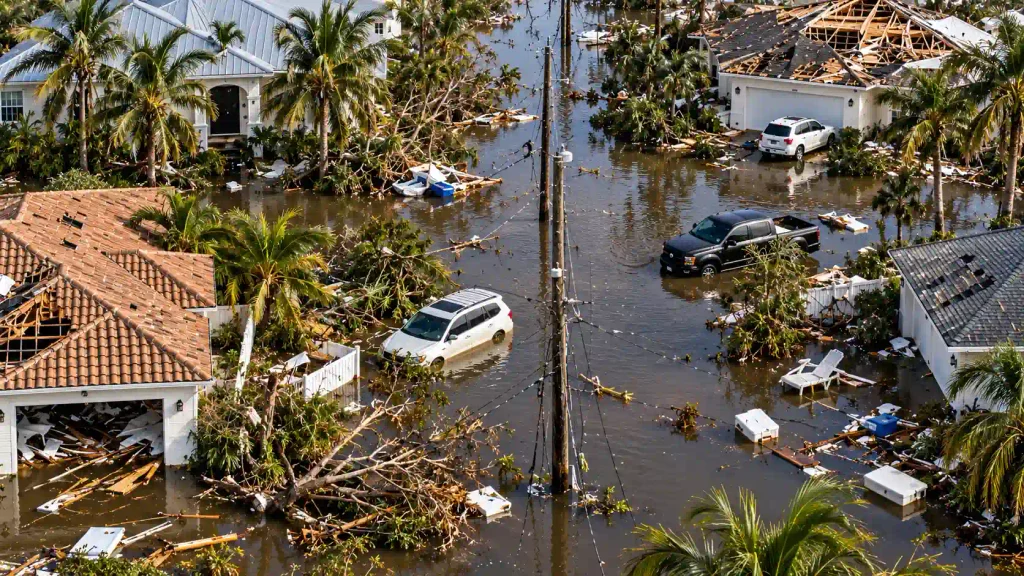
Walk around the property in daylight and compare what you see with photographs taken before the storm. Look at the roof from safe locations, exterior walls, soffits, fascia, gutters, downspouts, windows, doors, screens, fences, trees, drainage paths and detached structures. Inside, check ceilings, attic areas that are accessible, walls, flooring, cabinets and areas around windows or plumbing.
Look for:
- new stains, bubbling paint or swollen materials
- cracked or displaced stucco, masonry or trim
- missing roof materials, damaged flashing or exposed underlayment
- loose gutters, blocked downspouts or water pooling near the foundation
- doors or windows that no longer close and latch correctly
- moisture odors or damp materials
- damaged electrical equipment, outlets or panel covers
- signs that an HVAC system or water heater was exposed to water
- temporary repairs that have not been completed
A visual walk-through is useful for organizing questions. It is not a substitute for a claim inspection, structural evaluation, electrical assessment or mold evaluation when those are needed.
Step 3: Build a repair file before renewal
Create one folder for the storm and keep the records in date order. Include photographs before, during and after repairs, contractor proposals, paid invoices, permits, final inspection records, warranties, engineering documents and correspondence with the carrier or agent.
Citizens may request proof that storm-related repairs were completed. Its public guidance lists examples such as photographs together with paid receipts or invoices, an inspection report or regulatory permit, and a final roof permit when a roof was replaced. The exact documentation depends on the policy and underwriting request, so ask your agent what will be accepted.
An estimate or promise to repair may not answer a request for proof of completed work. If repairs are delayed, keep written evidence of the reason, the contractor’s schedule and any permit or contract that supports the delay. Submit documents through the channel your agent or insurer provides and keep copies.
Step 4: Decide which inspection may be relevant
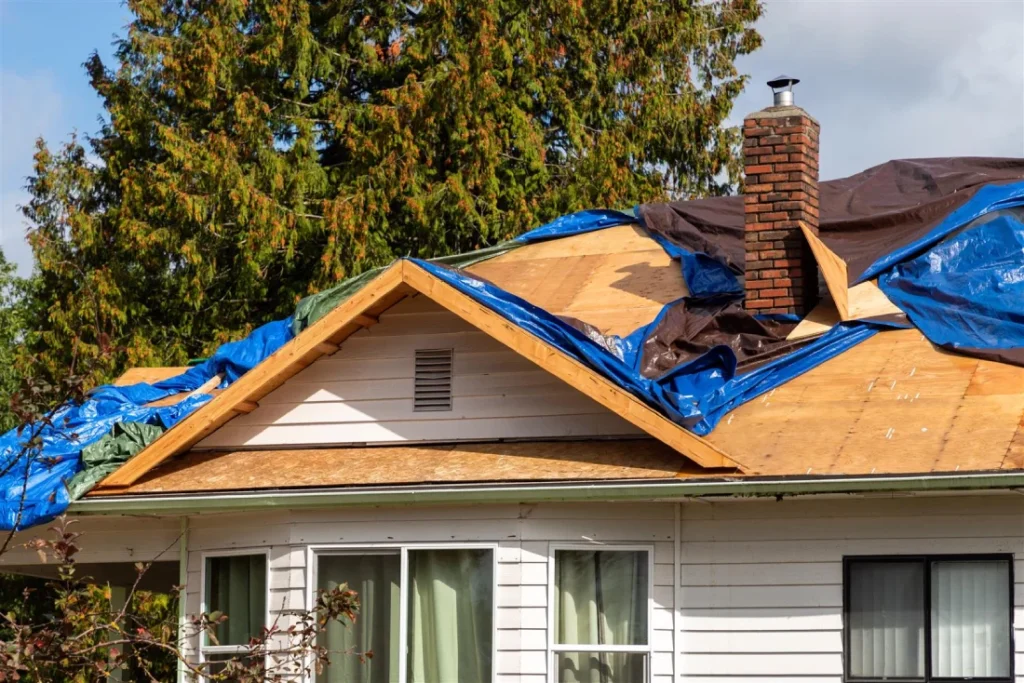
Different reports answer different questions. Ask the agent which one is needed instead of ordering an inspection based on a generic checklist.
4-Point Inspection
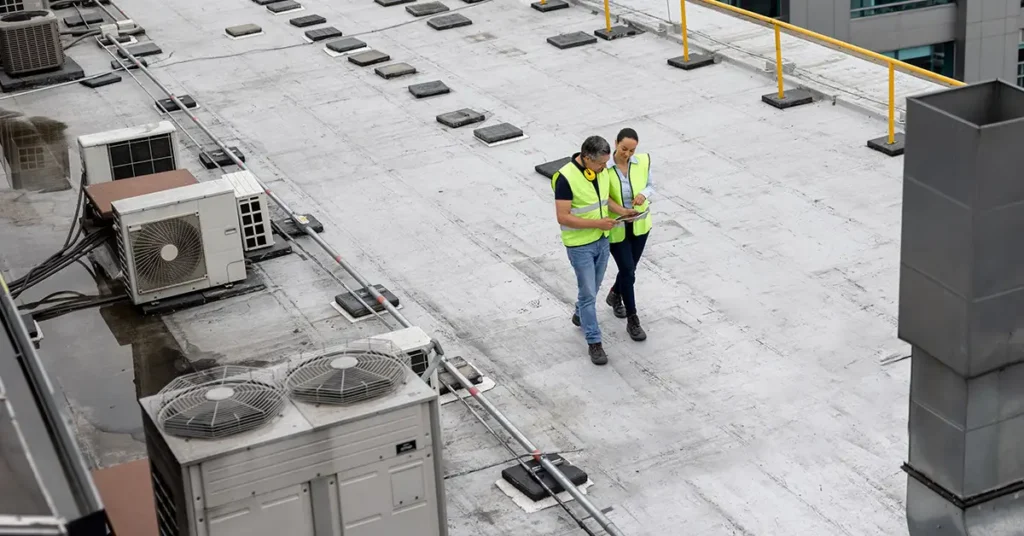
A 4-Point Inspection reviews the roof, electrical, plumbing and HVAC systems. Florida insurers commonly request this information for older homes or during underwriting. The inspector documents accessible conditions and photographs the systems. The insurer decides whether the report meets its requirements and what action is needed.
Consider asking about a 4-Point Inspection when:
- the insurer requests updated information on the four major systems
- a roof, electrical, plumbing or HVAC system was replaced
- the property has unresolved maintenance concerns
- a previous report is old or no longer accurate
- you need a clear baseline before an agent shops the policy
A 4-Point report is limited in scope. It is not a full home inspection and does not evaluate every component of the property.
Need a 4 Point Inspection
in Miami-Dade or Broward?
Wind Mitigation Inspection
A Wind Mitigation Inspection documents construction features that may reduce wind damage and may qualify for insurance credits. It uses Florida’s Uniform Mitigation Verification Inspection Form. The form can address roof covering, roof-deck attachment, roof-to-wall connections, roof geometry, secondary water resistance and opening protection, along with required supporting documentation.
The Florida Department of Financial Services says the current OIR-B1-1802 form, revised 04/26, must be used for inspections as of April 1, 2026. A completed form is valid for up to five years when there are no material changes and no inaccuracies, although an insurer may ask for verification or an updated report.
A new Wind Mitigation Inspection may make sense after:
– a roof replacement or major roof work
– installation of impact windows, shutters or reinforced doors
– an addition or structural change
– discovery of missing or inaccurate information on the prior form
– an insurer’s request for a current form
– a desire to document features that were not previously recorded
The report documents features. The insurer determines the credit, discount or premium effect.
Need a Wind Mitigation Inspection
in Miami-Dade or Broward?
Roof Inspection
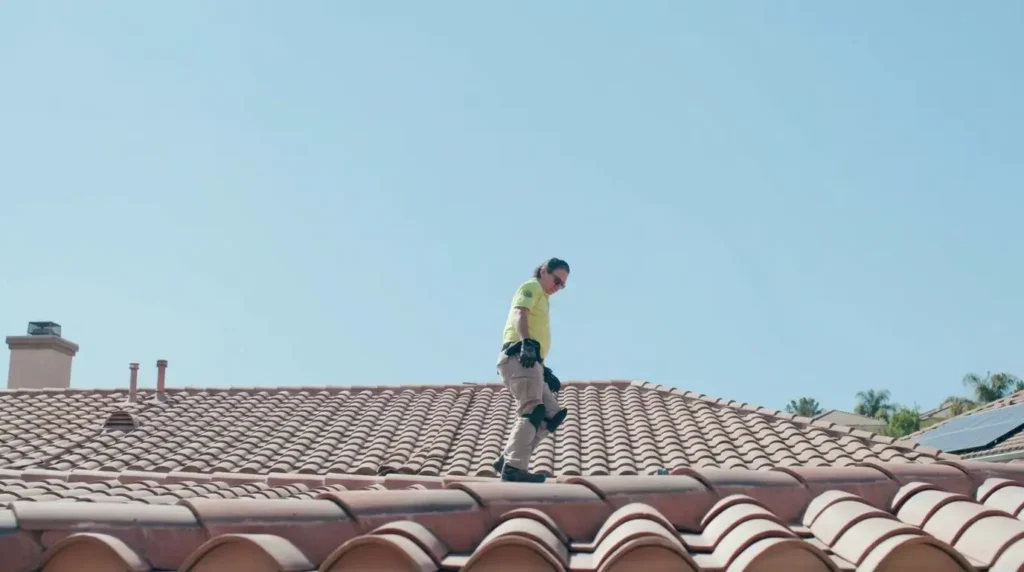
A roof inspection focuses on the roof’s visible condition, drainage, flashing, penetrations, coverings and signs of water entry. An insurer may ask for roof information during renewal, especially when the roof is older or a storm caused damage.
Florida consumer guidance explains that a roof inspection by an authorized inspector may be required before an insurer requires replacement based solely on the age of a roof that is 15 years old or older. If the inspection indicates at least five years of useful life, the insurer may not refuse renewal solely because of roof age, subject to the law and the policy situation. Discuss the details with your agent.
A roof inspection does not certify hidden structural conditions or guarantee a roof’s future performance. A roofing contractor or engineer may be needed for repairs, design, structural concerns or a warranty determination.
Full Home Inspection
A Full Home Inspection is broader. It can help a homeowner understand storm-related maintenance concerns, moisture intrusion, drainage, exterior deterioration and accessible systems throughout the property. It may be useful when damage is uncertain or when several components need review.
It does not replace the insurer’s claim process or an official code, fire, structural, mold or engineering evaluation.
Need a Full Inspection
in Miami-Dade or Broward?
What if you had a claim?
Keep the claim file separate from ordinary maintenance records. Include the claim number, adjuster communications, estimates, settlement documents, photographs and repair records. If a carrier asks for proof that damage was repaired, respond through your agent and follow the stated deadline.
Citizens publishes guidance explaining that proof-of-repair documentation can include photographs with paid receipts or invoices, an inspection report or regulatory permit, and a final roof permit when applicable. The acceptable evidence can vary by claim and policy. Do not assume that a private inspection alone closes a claim requirement.
If you disagree with a claim decision or need help understanding a coverage question, contact your insurance company, agent or a qualified claims professional. An inspector can report visible property conditions and provide photographs, but cannot interpret the policy or represent you in a claim.
How to prepare for an insurance renewal inspection
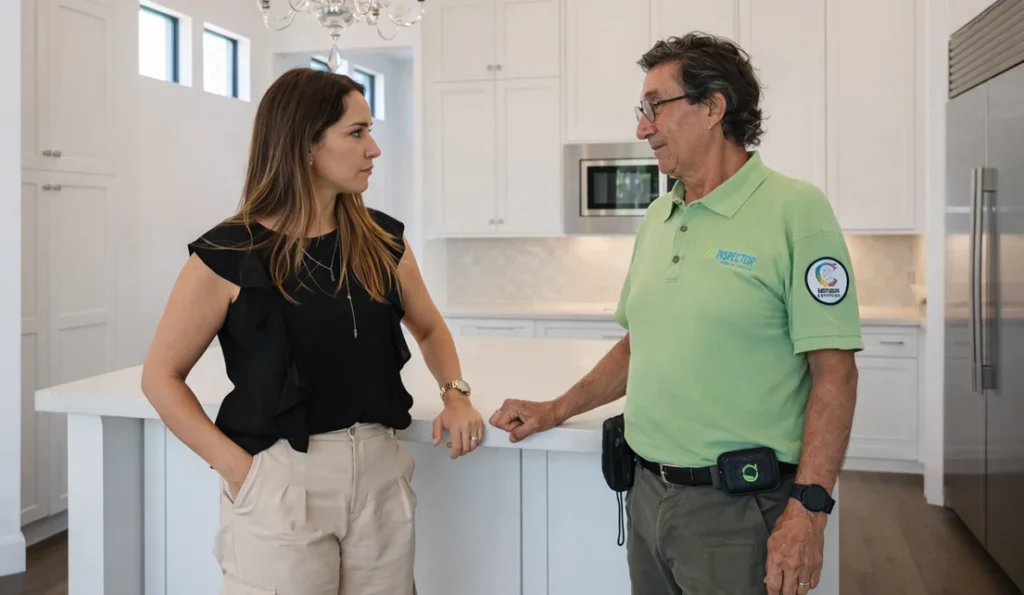
Before the appointment:
- make every area safely accessible
- clear the electrical panel, attic access and HVAC equipment
- gather permits, invoices, roof records and prior inspection reports
- identify repairs completed after the storm
- provide the insurer’s requested form or scope
- secure pets and remove avoidable hazards
- tell the inspector about known leaks, repairs or changes
- ask what the report will cover and when it will be delivered
Never make a component appear newer or more complete than it is. Accurate information gives the agent and insurer a better basis for the underwriting decision and gives you a clearer list of work to address.
Which documents should you keep?
A practical renewal file may include:
- the current and prior declarations pages
- the complete renewal offer and policy endorsements
- prior 4-Point and Wind Mitigation reports
- roof permits, invoices, warranties and completion documents
- contractor photographs and paid receipts
- electrical, plumbing or HVAC replacement records
- storm photographs and claim correspondence
- inspection reports requested by the insurer
- information about additions, renovations or mitigation features
Store digital copies in more than one secure location. When a document is difficult to read or missing a permit number, ask the issuing professional or local authority for a clearer copy.
Frequently asked questions
Does a hurricane automatically cancel my homeowners insurance?
No single answer applies to every policy. Florida rules include protections and exceptions related to hurricane damage, repairs and nonrenewal, while the policy and insurer’s notices control the individual situation. Speak with your agent as soon as you receive a cancellation or nonrenewal notice.
Will my insurer require a 4-Point Inspection at renewal?
Some insurers request a 4-Point Inspection based on the home’s age, condition, location and underwriting rules. The carrier decides what it needs and whether a report is acceptable. Ask for the exact form and scope before scheduling.
How long is a Wind Mitigation report valid?
Florida’s Department of Financial Services states that a completed Uniform Mitigation Verification Inspection Form is valid for up to five years if there are no material changes and no inaccuracies. An insurer may still ask for verification or a new report, and a major improvement can justify an update.
Do I need a new inspection after replacing my roof?
Possibly. A roof replacement can change the information needed for a 4-Point, Roof Inspection or Wind Mitigation report. Ask your agent which report and supporting documents are appropriate for the new roof.
Can a private inspection guarantee an insurance discount?
No. A Wind Mitigation Inspection documents features that may qualify for credits. The insurer reviews the form and determines eligibility and the final premium effect.
What is the difference between a 4-Point and Wind Mitigation Inspection?
A 4-Point focuses on the roof, electrical, plumbing and HVAC systems for insurance underwriting. Wind Mitigation focuses on construction features that help the home resist wind damage. They serve different purposes and may both be requested.
Should I schedule a full home inspection after a storm?
Consider one when damage is uncertain, repairs were extensive or you want a broader view of accessible conditions. If you suspect structural, electrical, mold or other specialized damage, arrange the appropriate qualified specialist as well.
Start your renewal review early
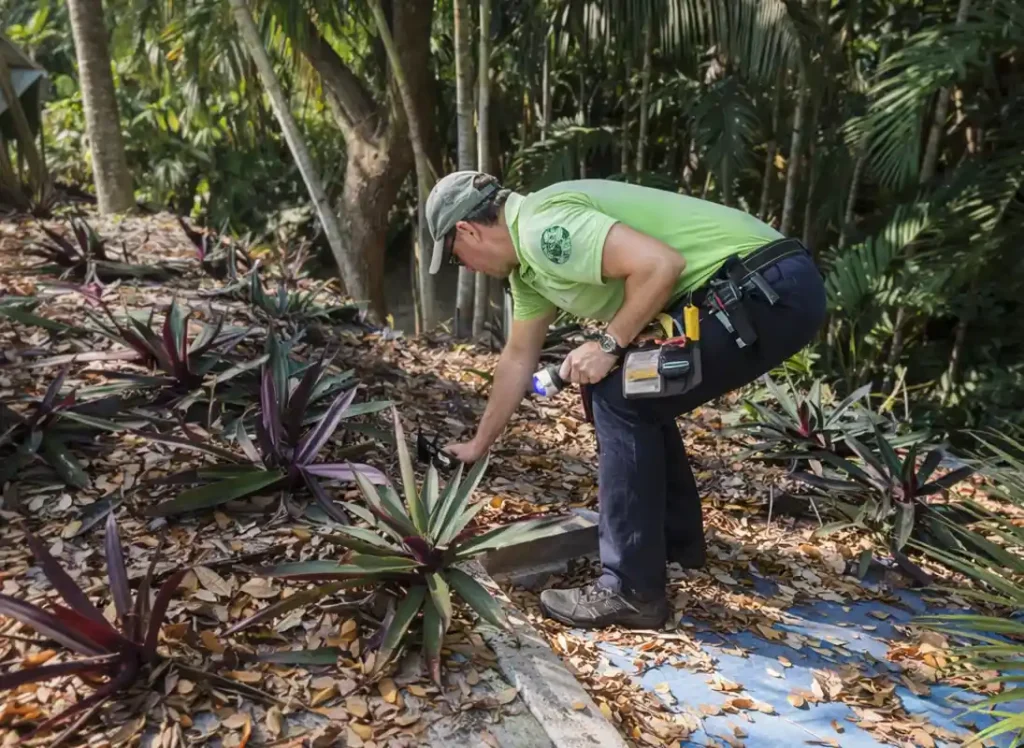
A renewal deadline is a poor time to discover that a roof permit is missing, an old report no longer reflects the home or a repair file is incomplete. Begin with the policy documents, check the property carefully and ask the agent which inspection or records are needed.
Home Inspections HALLEY provides 4-Point, Wind Mitigation, Roof and Full Home Inspection services in Miami-Dade and Broward. The team can document accessible property conditions and provide a clear report for your records. Your insurance agent remains the source for coverage, eligibility, discounts and renewal decisions.