A bright kitchen, fresh paint, and a recently renovated bathroom can make a Doral home feel move-in ready. Those details matter, but they do not tell the full story. The systems behind the walls, above the ceiling, and around the exterior determine how the property performs through Florida heat, humidity, heavy rain, and daily use.
That is why a home inspection in Doral is useful even when a property looks new or has already been updated. An inspection is a limited visual examination of readily accessible components. It is not an appraisal, a code-compliance certification, or a guarantee that every concealed defect will be found. Its value is practical: it gives a buyer a clearer picture of observed conditions, safety concerns, maintenance priorities, and questions that may require a specialist.
1. HVAC Performance and Indoor Humidity
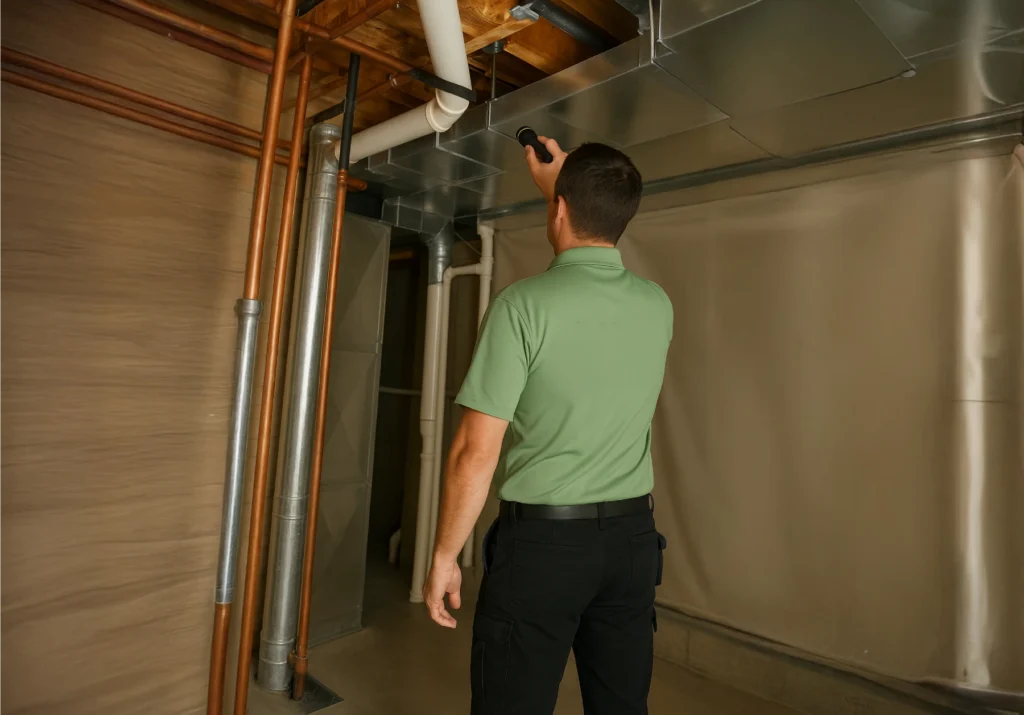
Air conditioning is not just a comfort feature in South Florida. It is central to moisture control, indoor air quality, and the long-term condition of the home. During an inspection, the inspector may evaluate the accessible portions of the system, thermostat operation, temperature differential, condensate drainage, air handler area, visible ductwork, and signs of leakage or corrosion.
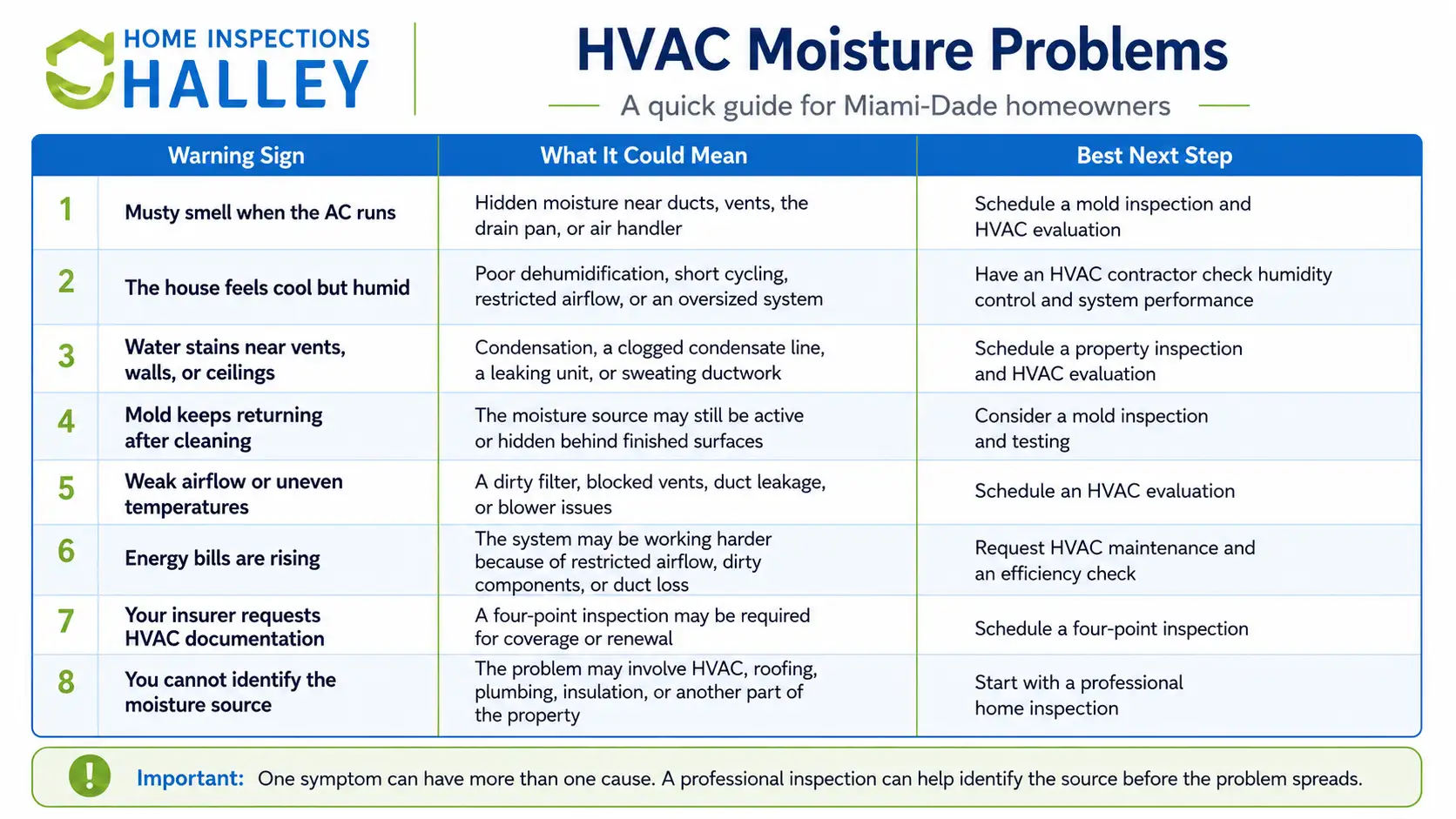
The report may also point out conditions that can contribute to high humidity, such as an oversized or short-cycling system, restricted airflow, a blocked condensate line, inadequate insulation, or water around the air handler. These observations do not replace a full HVAC service diagnosis, but they help a buyer decide whether to request further evaluation.
Ask whether the system is cooling consistently in different areas of the home. Look for staining near supply vents, musty odors, swollen trim, or recurring condensation. A home that feels cool during a short showing can still have a humidity problem that appears later.
What the Report can Clarify
A good report separates visible conditions from assumptions. It may identify an accessible defect, recommend servicing by a licensed HVAC contractor, or note that a component was not accessible. That distinction helps you prioritize the next step instead of treating every comment as a replacement recommendation.
2. Roof Covering, Flashing, and Drainage
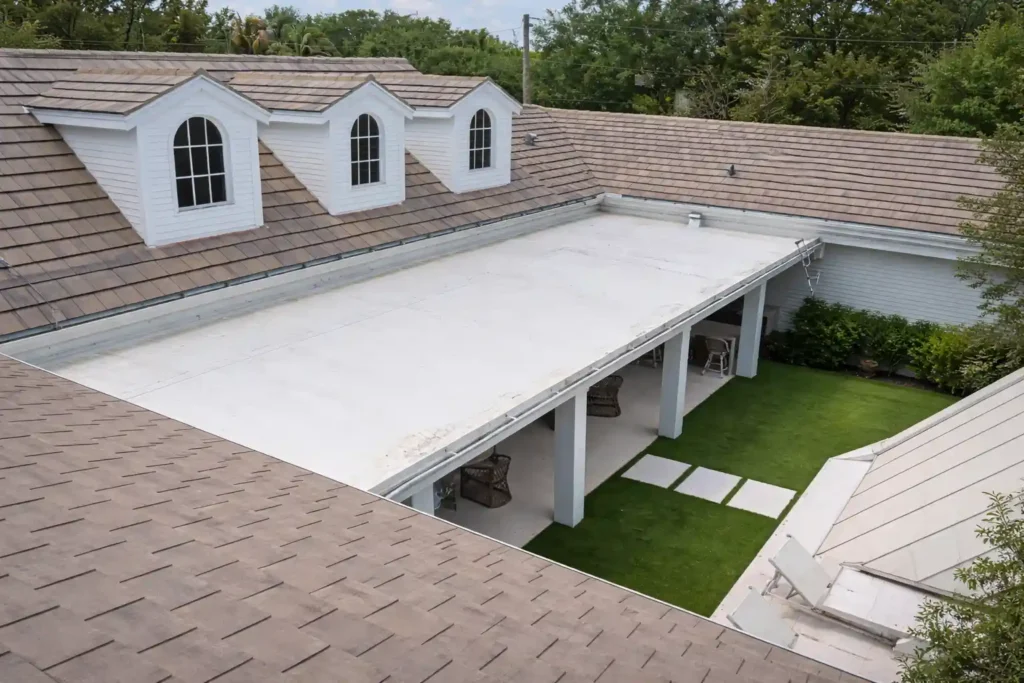
Florida roofs work hard. Sun, wind, rain, and biological growth all affect the covering and the details where roof planes meet walls, vents, skylights, or other penetrations. A professional inspection looks for visible signs such as damaged or missing materials, lifted edges, deteriorated sealants, exposed fasteners, ponding evidence, and water staining in accessible attic areas.
Drainage matters as much as the roof surface. Gutters, downspouts, scuppers, splash blocks, and the grading near the foundation all influence where rainwater goes. Even a roof in reasonable condition can contribute to moisture problems if discharge is directed toward walls, windows, walkways, or low areas.
A home inspection is not the same as a specialized roof certification or engineering evaluation. If the report identifies a concern or if the roof is difficult to access, a qualified roofing professional may be the right follow-up. Buyers should also review available maintenance records and ask about the age of the covering.
How to Use Your Home Inspection in Doral Before Closing
Roof and drainage findings can affect immediate maintenance, future planning, and conversations with your insurance professional. Florida insurers may request specialized documentation, such as a four-point or wind-mitigation inspection, depending on the property and policy. A buyer should confirm insurance requirements directly with the insurer rather than assuming a general home inspection satisfies them.
Need a 4 Point Inspection
in Miami-Dade or Broward?
3. Hidden Moisture Around Windows and Exterior Walls
Water intrusion is often a pattern, not a single dramatic leak. Around windows and exterior doors, an inspector may look for failed sealants, staining, soft materials, damaged trim, rusted components, or evidence that water has moved behind a finish. Inside, the inspection can document visible discoloration, bubbling paint, swollen baseboards, or elevated moisture readings when conditions and equipment support that observation.
Doral homes may have large glazed openings, covered patios, balconies, and stucco or masonry transitions. These details deserve attention because small gaps at a sill, flashing edge, or wall penetration can become more significant during driving rain.
An inspection cannot see through every wall or predict when a concealed leak will occur. It can, however, connect exterior observations with interior evidence and recommend targeted testing when the visual signs justify it. A moisture specialist, roofer, window contractor, or engineer may be needed to determine the source and repair design.
Questions to Ask
Ask where the observation was made, what was visible, whether the area was accessible, and what follow-up is recommended. Also ask whether the report distinguishes active moisture from old staining. Clear documentation is more useful than a vague statement that a wall “may” have a problem.
4. Electrical Modifications and Panels
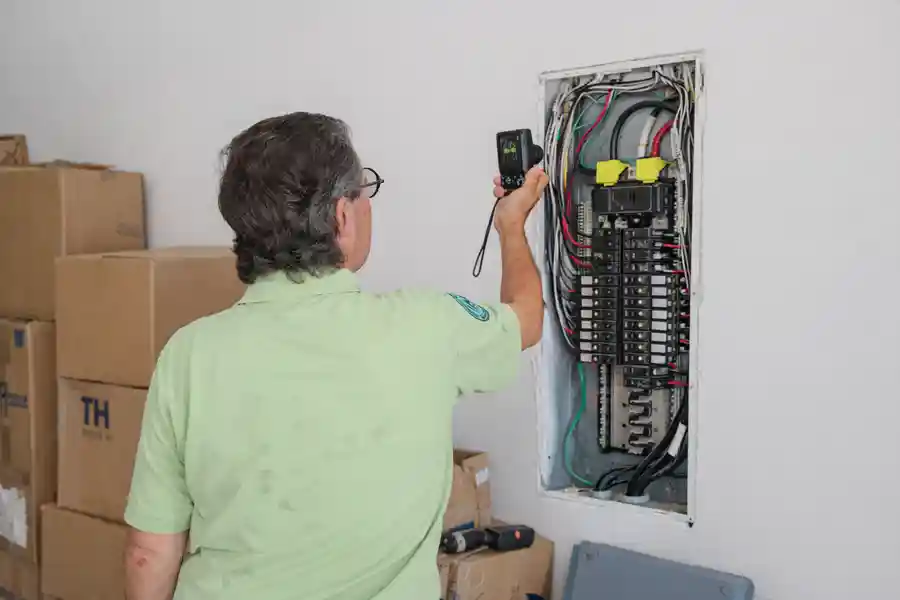
Renovated homes sometimes contain a mix of original wiring and newer work. An inspection may review the accessible service equipment, panel labeling, visible wiring, receptacles, switches, GFCI and AFCI protection where applicable, and signs of overheating or amateur modifications.
Common report observations can include double-tapped breakers, missing or incorrect dead-front covers, open junction boxes, damaged receptacles, reversed polarity, missing GFCI protection in required locations, or wiring that is not properly secured. These are observations of accessible components, not a guarantee that every wire in the home has been evaluated.
Doral buyers should pay attention to remodeled kitchens, additions, garages, outdoor kitchens, pool equipment, and converted spaces. Those projects may have increased electrical demand or introduced new circuits. If the inspector finds an unsafe condition or cannot verify the installation, ask a licensed electrical contractor for a focused evaluation.
A Practical Way to Prioritize
Separate conditions that present an immediate safety concern from items that need correction during normal maintenance. Your inspector can explain the observed issue, while a licensed electrician determines the repair method and whether additional work is needed.
5. Plumbing Supply, Drainage, and Water Heaters
Plumbing problems are not limited to a dripping faucet. A visual inspection may include accessible supply lines, fixtures, shutoff valves, water pressure observations, drains, visible waste piping, the water heater, and signs of leaks or corrosion. In kitchens and laundry areas, look inside cabinets and around appliance connections for staining or swollen materials.
Water heaters deserve a closer look. The report may note age indicators, corrosion, relief-valve piping, pan and drain conditions where present, and whether the unit is properly supported. The inspector may also observe slow drainage, damaged hoses, missing shutoffs, or visible leaks.
A sewer camera inspection is separate from a standard home inspection and may be worthwhile when the property is older, has mature landscaping, shows repeated drainage issues, or contains large trees near the sewer route. Likewise, a plumbing contractor is the appropriate professional for concealed piping, pressure testing, or repair estimates.
What Buyers can Do During the Inspection
Run several fixtures at different times, observe how quickly hot water arrives, and look for unusual odors or gurgling drains. These observations do not replace testing, but they give context to the written report and help identify questions before the inspection period ends.
6. Permits, Additions, and Renovation History
A new-looking finish does not confirm how the work was performed. Buyers should ask for records related to additions, roof work, electrical upgrades, plumbing changes, HVAC replacement, windows, impact protection, pools, patios, and other substantial renovations.
The inspector can document visible conditions and may identify apparent alterations, but an inspection is not a title search or a complete permit audit. Permit status, closed permits, code history, and municipal records should be verified with the appropriate local authority and your real estate or legal professionals.
This is especially important when a converted garage, enclosed patio, added room, or exterior structure appears to be part of the living area. A buyer may need a specialist to assess structure, electrical capacity, HVAC sizing, or water management. A clear record of the project can make maintenance and future resale easier to understand.
A Simple Documentation Checklist
Request invoices, warranties, service records, product approvals, and permit information. Compare the records with the current home. If a renovation is visible but documentation is missing, treat that as a question to resolve, not proof that the work is defective.
7. Exterior Site Conditions, Grading, and Safety
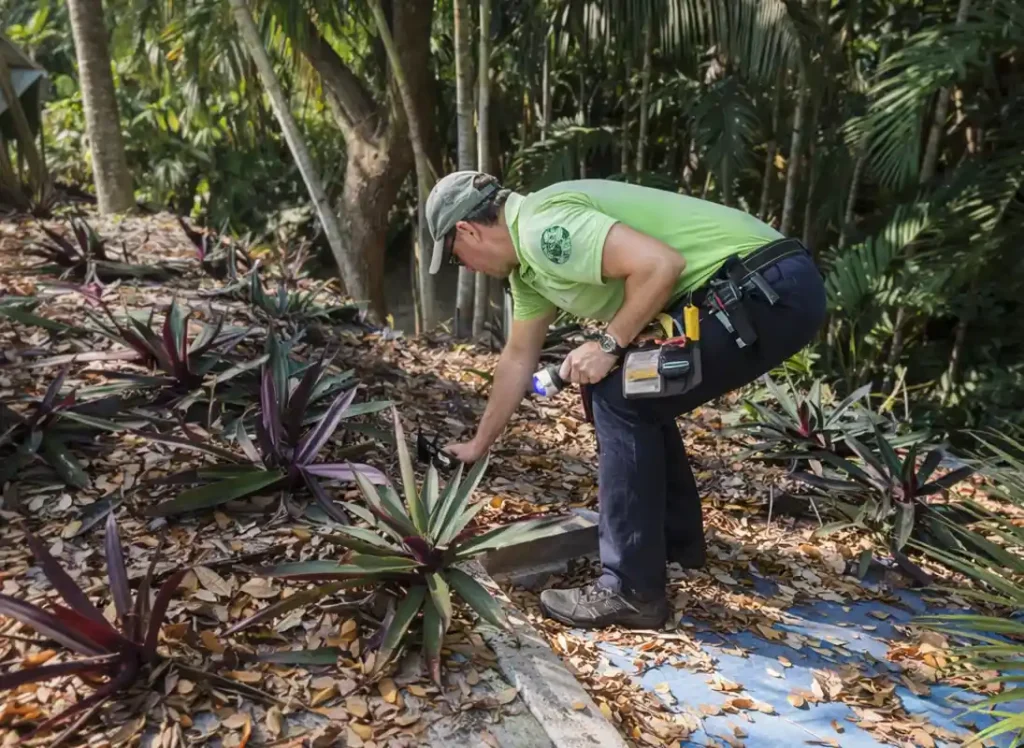
A home works as a system with its site. During an inspection, accessible exterior conditions may include walkways, stairs, guardrails, decks, patios, retaining elements, visible grading, drainage paths, vegetation near the structure, and conditions around pools or other features when included in the scope.
On a corner or sloped lot, water flow deserves special attention. Look for areas where soil or paving directs water toward the home, erosion near walls, settlement at walkways, standing-water evidence, or vegetation touching the roof and exterior finishes. These observations can help explain interior moisture clues.
Safety details also matter: loose handrails, missing guards, trip hazards, poorly supported steps, exposed wiring, and unsecured equipment can create immediate priorities. A home inspector can report the accessible condition, while a qualified contractor or engineer determines the correct repair.
Do Not Overlook the “Small” Items
A damaged threshold, missing screen, loose latch, or cracked sealant may not be the largest cost in the report, but a list of small maintenance items helps a new owner plan realistically. Ask which items are urgent, which are preventive, and which should be monitored.
What a Home Inspection in Doral Can and Cannot Tell You
A professional inspection provides an informed opinion about observed, readily accessible systems and components at the time of the inspection. It can identify visible deficiencies, explain why a condition matters, and recommend follow-up.
It cannot guarantee future performance, reveal every concealed defect, determine the exact cause of every symptom, or certify that a property complies with every building requirement. It also does not establish market value. Understanding those limits helps buyers use the report appropriately.
In Florida, home inspection services and written reporting are addressed in Chapter 468, Part XV of the Florida Statutes. Before the inspection, ask for the inspector’s license information, scope, and exclusions. A clear scope helps you decide whether additional services are needed for the home you are considering.
A Clearer Next Step for Doral Buyers
Buying a home is easier when you know which questions to ask before closing. A Full Home Inspection from Home Inspection Halley can help you understand the accessible condition of the property and identify areas that deserve specialist attention. Schedule the inspection early in your contract timeline, review the report carefully, and use the findings to plan with confidence.