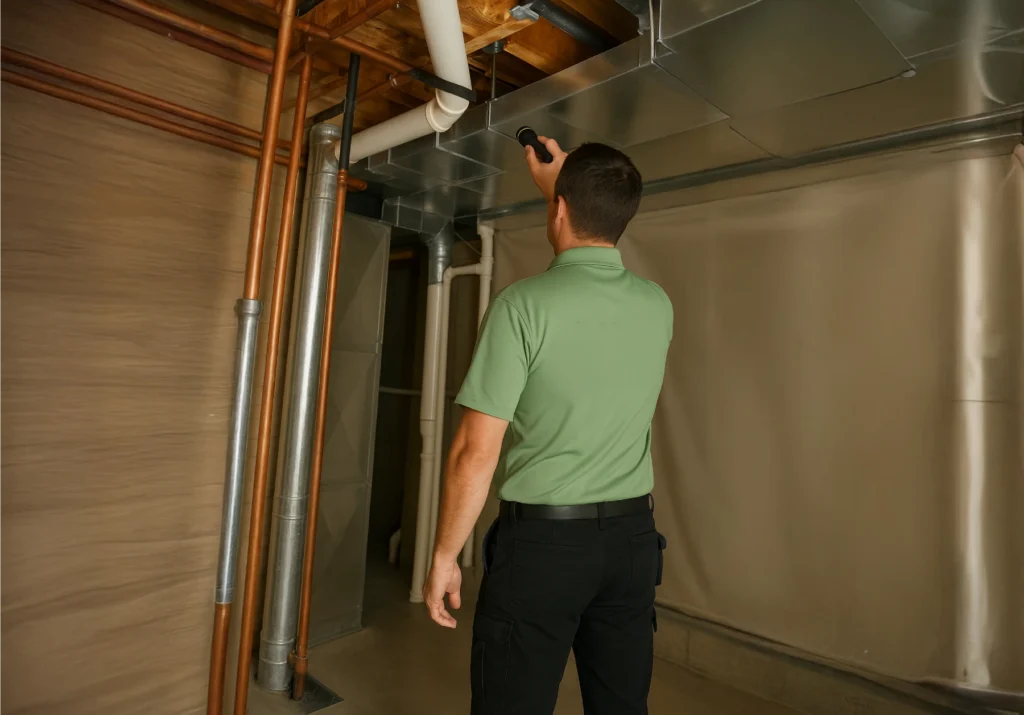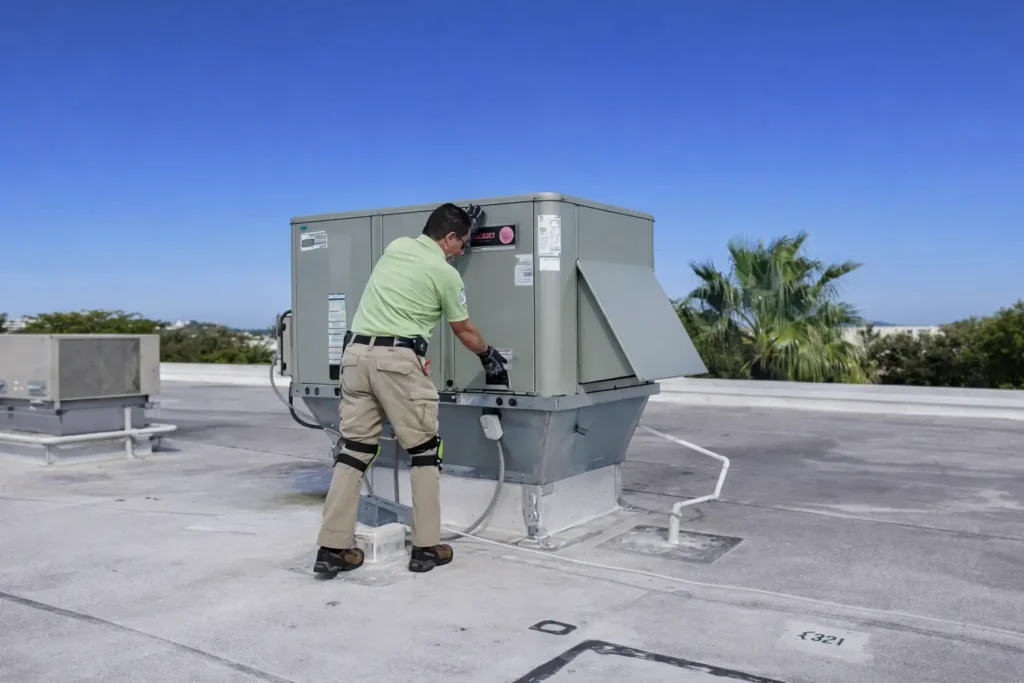
A commercial property in Miami or Broward may look ready—and even be operational—but underlying issues can create serious financial and legal risks.
Electrical deficiencies or code violations often go unnoticed until they cause delays, failed inspections, or unexpected repair costs. In a fast-moving market where properties are frequently repurposed, verifying the true condition of a space is essential before committing.
A commercial inspection in Miami provides that clarity.
Why Commercial Inspections Matter
Most property issues don’t come from a single major failure, but from multiple overlooked deficiencies that accumulate over time.
These can result in:
- Delays in opening your business
- Failed inspections from local authorities
- Unexpected repair expenses
- Insurance complications or denied claims
- Increased liability exposure
A professional inspection helps you identify these risks early—before they impact your investment.
Does the Property Fit Your Business?
Not every commercial space is suitable for every type of business. Electrical systems must align with actual operational demands, not just previous use.
Common issues include:
- Missing GFCI protection
- Outdated or mislabeled panels
- Overloaded circuits
- Improper grounding
- Overuse of extension cords
These properties may still operate, but they are not safe or reliable.
Fire Hazards
Overloaded circuits and poor wiring increase heat and resistance.
This creates a serious fire risk, especially in:
- Restaurants
- Retail stores
- Industrial spaces
Small electrical failures can escalate quickly.
Insurance Issues
Insurance companies often require safe and compliant electrical systems.
Deficiencies can lead to:
- Higher premiums
- Policy exclusions
- Denied claims
In many cases, these issues are only discovered after damage occurs.
What Electrical Requirements Does Your Business Type Have?
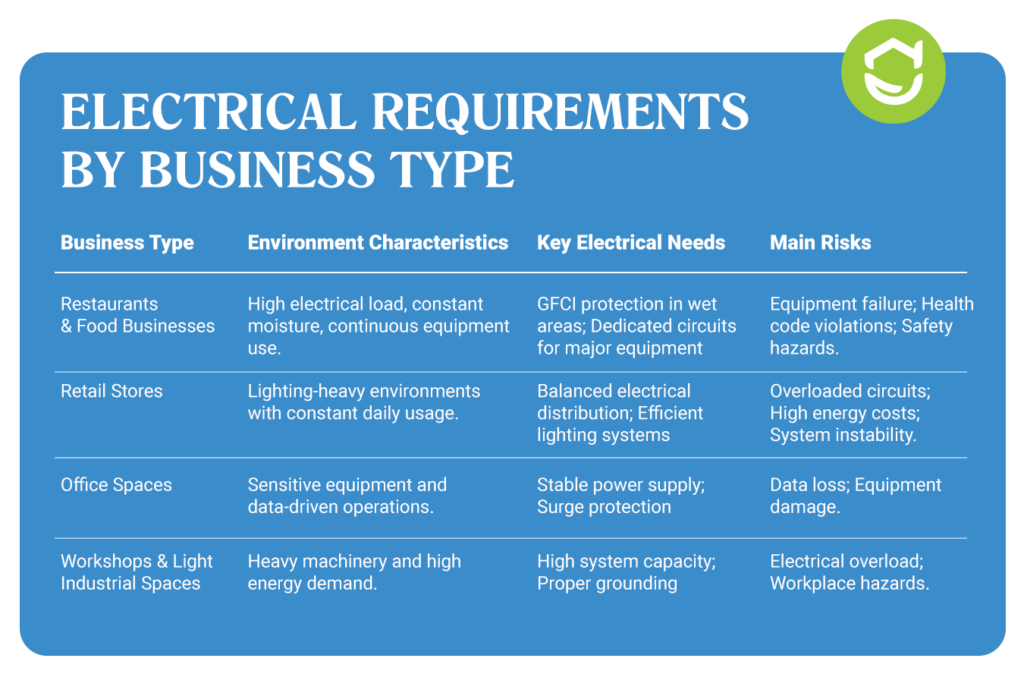
Miami-Dade and Broward counties are home to tens of thousands of active businesses, many operating in spaces that have been repurposed multiple times over the years. That constant turnover creates a hidden risk.
Then, not every commercial space fits every business. Electrical systems must match the actual use. If the system is not designed for that specific use, the consequences are real.
Let’s break it down:
Restaurants & Food Service
- Require high electrical capacity and moisture protection
- Risk: equipment failure, safety violations
Retail Stores
- Depend on consistent lighting and balanced distribution
- Risk: overloaded circuits, increased energy costs
Office Spaces
- Need stable power and surge protection
- Risk: data loss, equipment damage
Industrial & Workshop Environments
- Demand high-capacity systems and proper grounding
- Risk: overload, workplace hazards
Can the Electrical System Handle the Load?
Understanding your needs is only part of the equation. The key question is whether the property can support them.
Key Components to Evaluate:
Wiring Condition
- Mixed or outdated wiring
- Improvised or non-compliant installations
Outlet Availability & Distribution
- Overreliance on extension cords indicates insufficient infrastructure
Grounding
- Essential for safety and equipment performance
Lighting & Load Balance
- Impacts both efficiency and operating costs
A system designed for a previous tenant may not meet your current requirements.
Code Compliance, Insurance, and Liability Risks
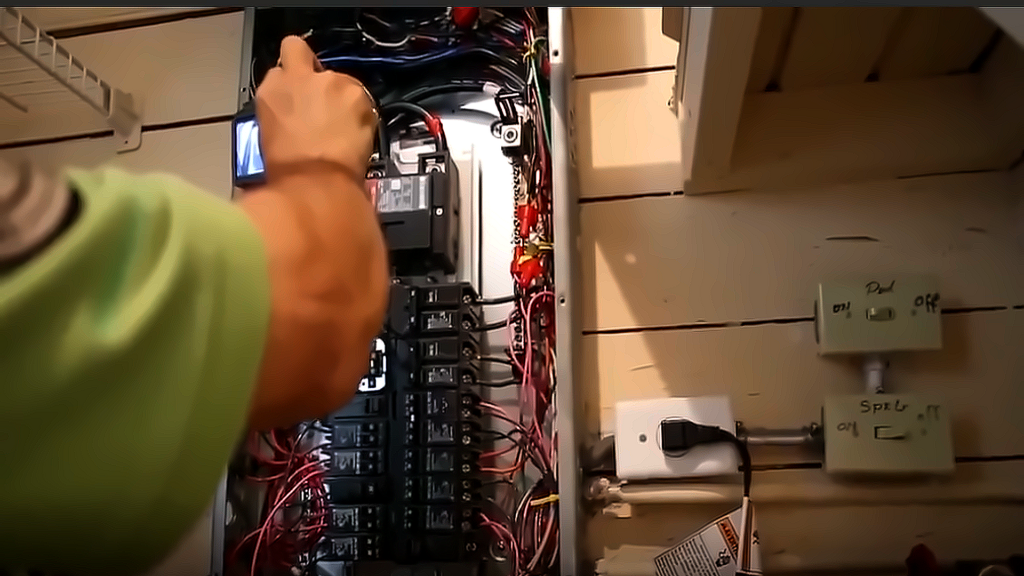
Electrical issues are not just technical. They are legal and financial.
A deficient system can lead to:
- Failed inspections from local authorities
- Insurance issues or denied claims
- Increased liability exposure
- Delays in opening your business
In many cases, these problems only appear after signing a lease or purchase.
How to Know If a Commercial Property Is Ready
While electrical systems are one of the most critical components, they are only part of the bigger picture. A commercial property must be evaluated as a whole to ensure it is truly ready for your business.
A commercial inspection is a comprehensive evaluation of a property’s major systems and components. Its purpose is to identify hidden risks, ensure compliance, and determine whether the space is truly suitable for your business operations.
In Miami and Broward, where many properties have been modified or repurposed over time, this process is critical before buying, leasing, or opening a business.
Commercial Inspection Checklist
Electrical Systems
- Panels, wiring, grounding, and load capacity
- Code compliance and safety risks
Plumbing
- Water supply, drainage, leaks, and corrosion
HVAC Systems
- Performance, airflow, and system condition
Roof & Exterior
- Roof integrity, drainage, and building envelope
Safety & Compliance
- Fire systems, emergency exits, signage
Environmental Indicators
- Moisture intrusion, mold risk, air quality concerns
What Problems Can Be Detected during a Commercial Inspection?
A commercial inspection can reveal:
- Code violations
- Electrical deficiencies
- System overload risks
- Safety hazards
These are often not visible during a standard walkthrough but can significantly impact operations.
Commercial Inspection Services in Miami & Broward

Home Inspection Halley has over 21 years of experience providing commercial inspections across South Florida. Our evaluations focus on the systems that directly affect your ability to operate safely, pass inspections, and control costs.
We help business owners and investors make informed decisions with clear, detailed reporting.
The Difference Between a Usable Space and a Ready Business
Two properties can look identical, but only one is truly ready to support your business. Understanding your operational needs is the first step. Verifying that the property can meet them—across electrical, structural, mechanical, and safety systems—is what protects your investment.
A commercial inspection goes beyond surface appearance. It evaluates the systems that directly impact your ability to operate, pass inspections, secure insurance, and avoid costly delays.
Therefore, for any business owner, investor, or tenant, this process is not optional. It is what ensures the property is safe, compliant, and truly ready for operation.
Take the Next Step
Before signing a lease or finalizing a purchase, make sure the property meets your requirements.
Schedule your commercial inspection today and move forward with confidence.