Many Florida homeowners know that a Wind Mitigation Inspection can help lower insurance costs, but few understand how significant the savings can be. Depending on the wind-resistant features documented during the inspection, a favorable Wind Mitigation Report may reduce the windstorm portion of a homeowner’s insurance premium by hundreds or even thousands of dollars per year.
A favorable Wind Mitigation Report can save Florida homeowners anywhere from $100 to over $1,000 annually depending on roof design, opening protection, roof attachments and insurer credits.
If you’re wondering which wind mitigation features can make the biggest difference in your insurance premium and how much those discounts could be worth, keep reading.
A Good Wind Mitigation Report Can Be Worth Much More Than You Think
According to Florida consumer guidance, homes built under the 2001 Florida Building Code—or under the 1994 South Florida Building Code in Miami-Dade and Broward Counties—are automatically eligible for a minimum 68% discount on the windstorm portion of their insurance premium.
Insurance companies use Wind Mitigation Reports to identify construction features that reduce hurricane damage and lower claim risk. The more favorable the documented features, the greater the potential insurance savings.
Why Wind Mitigation Discounts Can Have Such a Significant Impact
Many homeowners assume that wind mitigation discounts only reduce a small portion of their insurance premium. In reality, the savings can be substantial because windstorm coverage represents a significant portion of the risk insurers evaluate in Florida.
Windstorm Risk Can Represent Up to 70% of the Premium
According to Florida wind mitigation resources, between 15% and 70% of a homeowner’s insurance premium may be attributable to windstorm risk, depending on the property’s location, hurricane exposure, and construction characteristics.
This means that homes located in coastal areas or regions with greater hurricane exposure often have a much larger portion of their premium tied directly to wind-related risk.
Real Savings Can Be Significant
According to Florida insurance and mitigation sources:
- Many homeowners save between $100 and $600 per year.
- Some homeowners receive discounts equivalent to 20% to 40% of the windstorm portion of their premium.
- The My Safe Florida Home Program has reported average annual insurance savings exceeding $900 following qualifying mitigation improvements.
The amount of savings varies based on the property, insurance carrier, location, and the mitigation features documented during the inspection.
What Does That Mean in Real Dollars?
Consider a Florida homeowner paying $5,000 annually for homeowners insurance, with approximately $2,500 of that premium attributable to windstorm risk.
If the property qualifies for a 30% wind mitigation credit on the windstorm portion of the policy, the homeowner could save approximately $750 per year.
For properties in higher-risk coastal areas, where windstorm coverage represents a larger share of the premium, the potential savings may be substantially greater. Over the life of a policy, these savings can easily exceed the cost of a Wind Mitigation Inspection many times over.
So, Which Wind Mitigation Features Can Save You the Most Money?
A favorable Wind Mitigation Report isn’t necessarily the one with the newest roof or the most expensive upgrades. What matters most is how the home’s construction performs during a hurricane.
While every insurance carrier evaluates risk differently, the following features typically have the greatest impact on potential insurance discounts:
Hip Roof Geometry
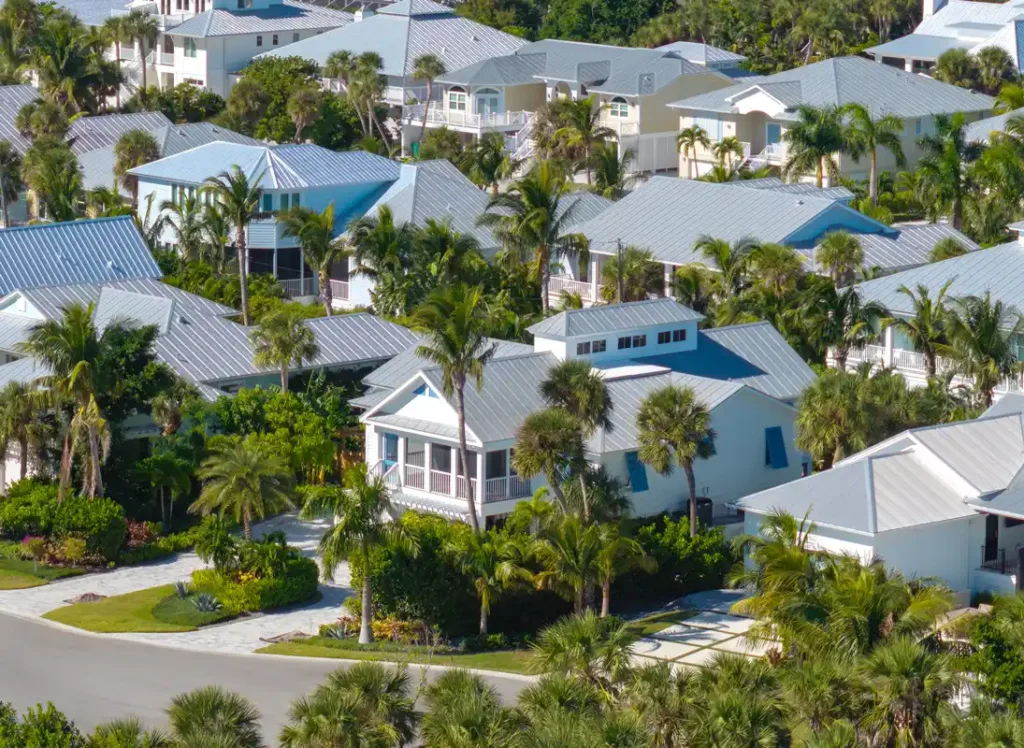
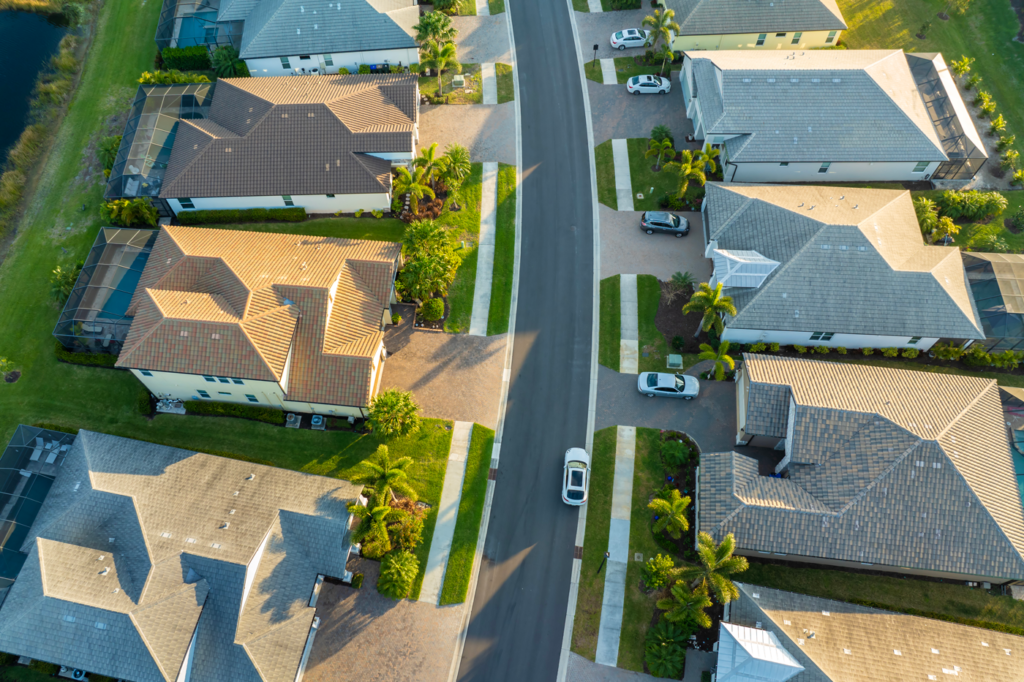
Hip roofs are generally considered the most wind-resistant roof design because wind can flow around the structure more efficiently. Homes with hip roofs often qualify for more favorable mitigation credits than homes with gable or flat roof configurations.
Strong Roof-to-Wall Connections
One of the most important features inspectors document in a roof inspection is how the roof is attached to the walls. Single-wrap and double-wrap connections provide significantly greater resistance to uplift forces than traditional toenail connections and are often associated with larger discounts.
Impact-Resistant Openings
Impact windows, impact-rated doors, hurricane shutters, and reinforced garage doors help prevent wind from entering the home and creating internal pressure that can lead to major structural damage during a hurricane.
Secondary Water Resistance
A secondary water barrier installed beneath the roof covering can help prevent water intrusion if roofing materials are damaged during a storm. This additional protection is viewed favorably by many insurance carriers.
Enhanced Roof Deck Attachment
The way the roof deck is secured to the structure plays a critical role during high-wind events. Stronger fastening methods and modern nailing patterns generally receive better mitigation credits than older installation standards.
Modern Code-Compliant Construction
Homes built under the 2001 Florida Building Code—or the 1994 South Florida Building Code in Miami-Dade and Broward Counties—often receive substantial mitigation benefits because they were constructed to higher hurricane-resistance standards.
Together, these features help explain why two homes with similar values can receive dramatically different insurance premiums.
Which Wind Mitigation Features Usually Have the Greatest Impact on Insurance Discounts?
| Wind Mitigation Feature | Potential Impact on Insurance Savings |
| Roof-to-Wall Connections | Very High |
| Hip Roof Geometry | Very High |
| Opening Protection | High |
| Secondary Water Resistance | Medium-High |
| Roof Deck Attachment | Medium |
| Modern Code Compliance | Medium-High |
While every insurance carrier uses its own underwriting formulas, the features above are generally considered among the most valuable when evaluating wind mitigation credits and potential insurance savings.
What’s New in the OIR-B1-1802 Wind Mitigation Form for 2026?
Beginning in April 2026, Florida adopted an updated version of the OIR-B1-1802 Uniform Mitigation Verification Inspection Form, the official document used by inspectors and insurance companies to evaluate wind-resistant features that may qualify a property for insurance discounts.
While the purpose of the inspection remains the same, the updated OIR-B1-1802 form introduces additional documentation requirements and expanded classifications for several mitigation features. The goal is to improve consistency among inspections and provide insurance carriers with more detailed information when evaluating hurricane-resistant construction.
Some of the most notable updates include:
- Expanded documentation requirements for opening protection, including impact-resistant windows, doors, skylights, and garage doors.
- Additional classifications for roof-to-wall connections and roof deck attachment methods.
- Recognition of FORTIFIED construction standards and other enhanced hurricane-resistant building features.
- More detailed reporting requirements for roofing systems and structural mitigation components.
For homeowners, the most important takeaway is that insurance discounts depend on properly documented mitigation features. The updated OIR-B1-1802 form allows inspectors to provide more detailed information about a home’s hurricane-resistant characteristics, helping insurance carriers make more accurate decisions regarding available wind mitigation credits.
Choosing the Right Company for a Wind Mitigation Inspection

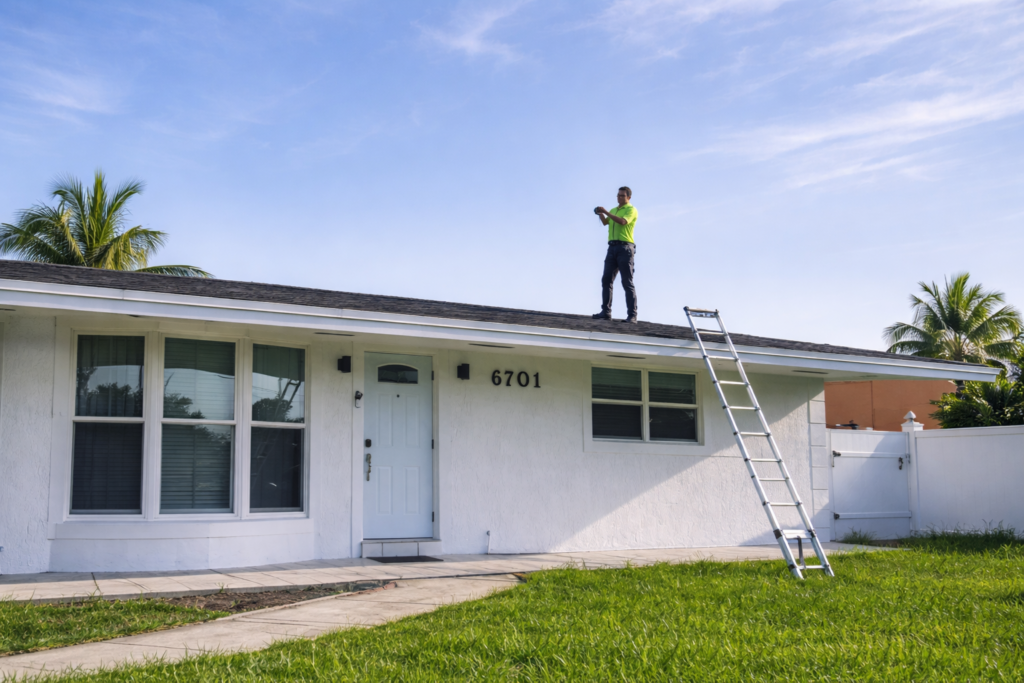
Not all Wind Mitigation Inspections are performed with the same level of experience, training, or attention to detail. Because insurance companies can only evaluate features that are properly documented, choosing an experienced Wind Mitigation Inspector can make a significant difference.
When hiring a company for a Wind Mitigation Inspection, homeowners should look for:
- Inspectors with specialized training in wind mitigation inspections
- Certifications from recognized industry organizations such as InterNACHI®
- Experience with Florida construction methods and building codes
- Familiarity with the OIR-B1-1802 Wind Mitigation Form
- Clear documentation and photographic evidence of mitigation features
At Home Inspection HALLEY, our inspectors are InterNACHI® certified and have completed more than 15,000 inspections throughout South Florida. With over 21 years of experience evaluating residential properties, we understand how to properly document the construction features insurance companies use when assessing wind mitigation credits and premium discounts.
Don’t Leave Potential Insurance Discounts on the Table
The only way to know which insurance discounts your home may qualify for is through a professional inspection. Our InterNACHI® Certified Inspectors have completed more than 15,000 inspections throughout South Florida and understand the mitigation features insurance companies look for when evaluating windstorm risk and premium discounts.
Home Inspection HALLEY proudly serves homeowners throughout Miami-Dade and Broward Counties, offering convenient same-day and next-day appointments whenever available.
If you’re approaching an insurance renewal, purchasing a property, or simply wondering whether your home qualifies for additional wind mitigation credits, we’d be happy to help.
Frequently Asked Questions about Wind Mitigation Inspections in Florida
1. How much can a Wind Mitigation Inspection save on Florida home insurance?
A Wind Mitigation Inspection can save Florida homeowners anywhere from $100 to more than $1,000 per year, depending on the home’s wind-resistant features, insurance carrier, and location. Homes with features such as hip roofs, impact-resistant openings, and strong roof-to-wall connections often qualify for the largest discounts.
2. What features provide the biggest wind mitigation insurance discounts?
Insurance companies typically offer the largest wind mitigation credits for homes with hip roof geometry, impact-resistant windows and doors, hurricane shutters, secondary water resistance barriers, and enhanced roof-to-wall connections. The more hurricane-resistant features documented on the inspection report, the greater the potential insurance savings.
3. Is a Wind Mitigation Inspection required to receive insurance discounts in Florida?
In most cases, yes. Insurance companies generally require a completed Wind Mitigation Report using the Florida OIR-B1-1802 form to verify eligible construction features. Without proper documentation, insurers may not apply available wind mitigation credits to the policy.
4. How long is a Wind Mitigation Report valid in Florida?
A Wind Mitigation Report is typically valid for up to five years, although some insurance carriers may request a new inspection sooner if significant changes have been made to the property or roofing system. Homeowners should verify specific requirements with their insurance provider.
5. Do homes in Miami-Dade and Broward Counties qualify for larger wind mitigation discounts?
Many homes in Miami-Dade and Broward Counties may qualify for significant wind mitigation credits because these areas have historically adopted some of Florida’s strictest hurricane-resistant building standards. Homes built under the South Florida Building Code or upgraded to modern standards often receive favorable consideration from insurance carriers.