Reviewed by: Néstor Gómez, Florida Licensed Home Inspector #HI1993
Last reviewed: August 2026
Searching for South Florida home inspectors can quickly become overwhelming. You may find companies with different certifications, years of experience, inspection packages and reporting styles, often at very different prices.
So, how do you know who is qualified to inspect the property you are about to buy?
Licensing matters. Professional certifications matter. Experience matters. But one of the best ways to evaluate an inspector is to understand what they inspect, how they document their findings and what kind of report you will receive when the inspection is over.
Here are the questions worth asking before you hire.
Does a Home Inspector Need a License in Florida?
Yes. Home inspectors are regulated by the Florida Department of Business and Professional Regulation (DBPR).
To become licensed through the standard examination route, applicants must complete at least 120 hours of approved education covering the major components of a home and pass an examination approved by the state. Florida also requires licensed home inspectors to maintain at least $300,000 in commercial general liability insurance.
A Florida home inspection is defined as a limited visual examination of readily accessible systems and components, including the structure, electrical system, HVAC, roof covering, plumbing, interior, exterior and site conditions affecting the structure.
Before hiring someone, verify that the inspector has an active Florida license. Professional certifications should complement that license, not replace it.
What Does InterNACHI Certification Mean?
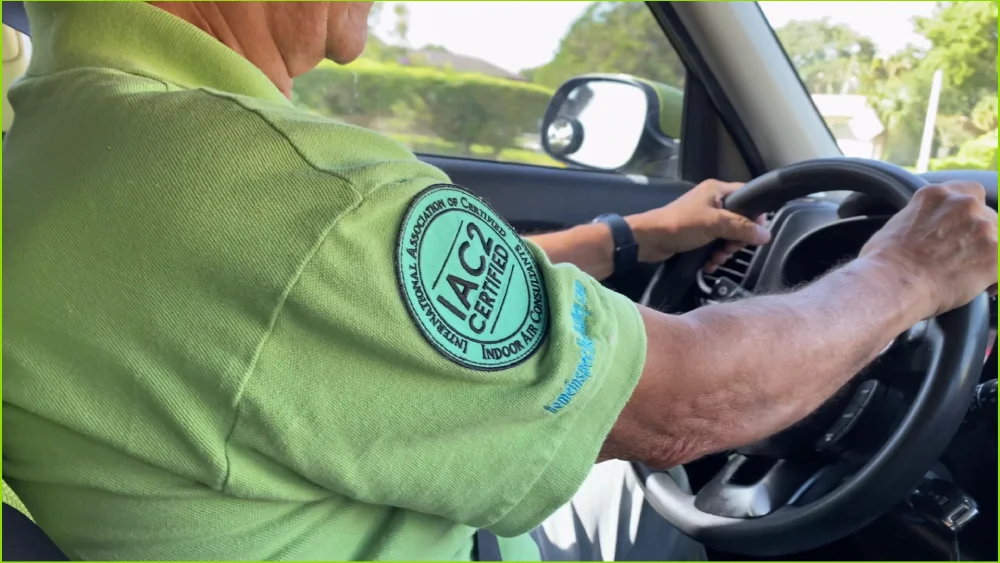
You may see the InterNACHI Certified Professional Inspector (CPI®) designation on an inspector’s website or credentials.
InterNACHI, the International Association of Certified Home Inspectors, requires Certified Professional Inspectors to complete certification requirements that include an inspector examination, Standards of Practice training and a Code of Ethics course.
Maintaining the credential also requires continuing education. InterNACHI-certified inspectors currently complete 24 hours of continuing education each year and are expected to follow applicable Standards of Practice and the organization’s Code of Ethics.
That continued education is important because homes, building systems, inspection technology and industry practices change over time.
However, an InterNACHI certification should not be interpreted as a substitute for Florida licensing. Think of it as an additional professional credential indicating that the inspector participates in ongoing education and follows an established professional framework.
Are There Other Home Inspector Certifications Worth Looking For?
Yes, although no inspector needs to collect every badge available in the industry.
Another recognized professional organization is the American Society of Home Inspectors (ASHI). Its ASHI Certified Inspector program requires inspectors to follow its Standards of Practice and Code of Ethics, pass the National Home Inspector Examination, have inspection reports verified and document at least 250 paid home inspections.
The more important question is whether an inspector’s training matches the type of property and inspection you need.
For example, specialized education may be particularly useful for:
- Wind mitigation inspections
- Commercial property inspections
- Mold-related inspections
- Roofing systems
- Pools and spas
- Infrared and moisture detection
- Sewer camera inspections
Commercial properties are another good example. The Certified Commercial Property Inspectors Association (CCPIA) maintains its own Commercial Standards of Practice and certification program specifically for commercial property inspections.
A residential certification alone does not necessarily demonstrate expertise in every specialized inspection service.
What Should a Professional Home Inspection Report Include?
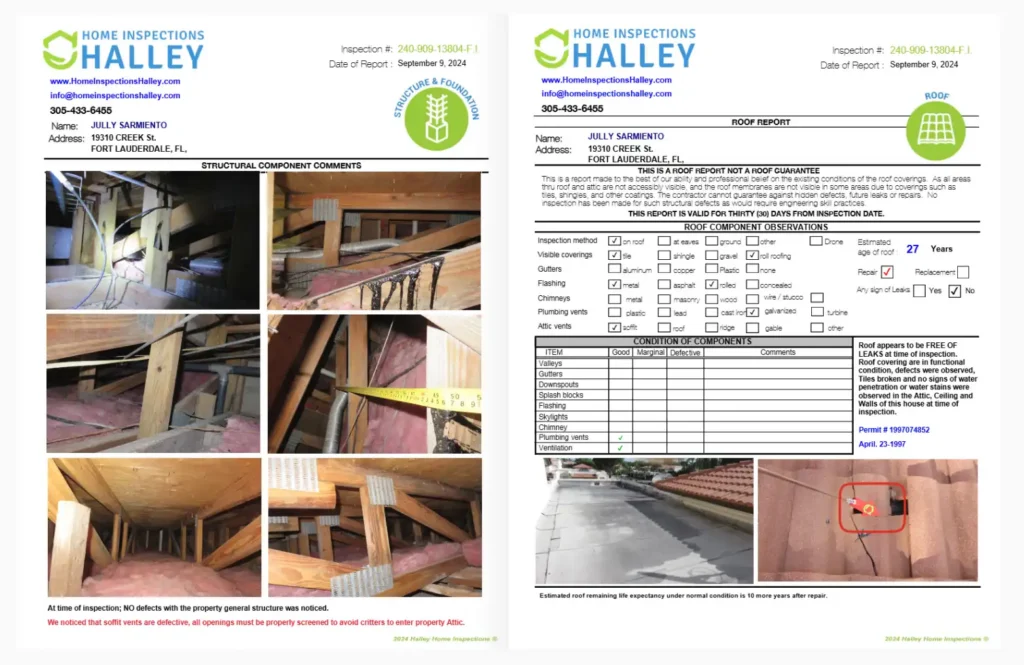
This is where credentials become practical.
Florida Statute § 468.8323 requires a home inspector to provide the client with a written inspection report after completing a paid home inspection. The report must identify inspected systems or components that the inspector believes are significantly deficient or near the end of their service life. When the reason is not obvious, it should also explain why. Components that were present but not inspected must be identified, along with the reason they were excluded.
That establishes a legal baseline.
A useful inspection report, however, should also make the findings easy for the client to understand and act on.
When comparing South Florida home inspectors, ask to see a sample inspection report before hiring. You can see what a professional home inspection report looks like in our sample reports.
HUD specifically recommends asking prospective inspectors for their Standards of Practice or a sample report so buyers understand what to expect.
Look for a report that clearly documents:
- Where the issue was found
- What condition was observed
- Photos when they help explain the finding
- Why the condition may matter
- Whether further evaluation or repair is recommended
- Areas or components that could not be inspected
- A clear organization that helps you find important findings quickly
A long report is not automatically a good report. Clarity, documentation and useful context matter more than page count.
Why Can the Quality of the Inspection Report Make Such a Difference?
Imagine two inspectors notice staining near the ceiling below a roof area.
One report simply says:
“Water stain observed.”
Another identifies the room and location, documents the staining with photographs, notes any accessible moisture-related observations, explains the limitation of the visual inspection and recommends the appropriate next step.
Both inspectors may have noticed the same condition. But the second report gives the buyer substantially more useful information.
A detailed report can help you:
Understand the Property Before Closing
A home inspection is designed to educate you about the property’s observable condition before you make a major financial commitment.
Discuss Findings With the Right Professionals
Clear photos, locations and descriptions make it easier to communicate with contractors, roofing professionals, HVAC technicians or other specialists when additional evaluation is recommended.
Plan Repairs and Maintenance
Not every inspection finding is an emergency. A well-organized report can help you distinguish significant deficiencies from items that should simply be monitored or maintained.
Make Better-Informed Purchase Decisions
Inspection findings may influence conversations about repairs, further evaluations or the property itself, depending on your contract and circumstances.
HUD emphasizes that an appraisal is not a substitute for a home inspection. An appraisal primarily addresses value for the lender, while the inspection helps the buyer understand the condition of the home.
So, What Should You Look for in a South Florida Home Inspector?

Start with the essentials: an active Florida license, appropriate insurance and a clearly defined scope of inspection.
Then look deeper.
Professional certifications such as InterNACHI CPI® or ASHI credentials can demonstrate additional education and commitment to professional standards. Specialized training becomes increasingly important when your property requires services beyond a standard residential home inspection.
Finally, look closely at the report.
A good inspector does more than walk through a property and identify problems. The inspector should leave you with a clear, organized record of what was observed so you can better understand the property and decide what to do next.
When comparing inspectors, don’t just ask “How much does the inspection cost?”
Ask:
“What will I know about this property when the inspection is finished?”
That answer may tell you much more about the value of the inspection.