
A post-storm home inspection gives you a structured look at visible, accessible conditions after it is safe to return. It can help identify areas that need immediate attention, document concerns for your records and point you toward the right specialist. It does not replace emergency officials, an insurance adjuster, a structural engineer or a contractor’s repair assessment.
For homeowners in Miami-Dade and Broward, the most useful inspection is one that connects the storm to the way South Florida homes are built and maintained. Wind-driven rain, intense gusts, fallen vegetation, power interruptions and saturated building materials can create problems that become more obvious days or weeks later.
Start with safety before anyone inspects the property
Follow evacuation and re-entry instructions from local authorities. If the building has structural movement, standing water, a strong gas odor, exposed electrical equipment, sparking wires or a damaged utility connection, keep people away and contact the appropriate emergency or utility service.
Ready.gov advises having damaged property professionally inspected before cleanup or repairs. Do not enter a flooded or visibly unsafe structure just to take photographs. A visual inspection can only begin when access is safe and the inspector can work without creating an additional hazard.
Temporary measures may be necessary to prevent further damage. Follow your policy instructions, use qualified help for dangerous conditions and document what you do. Emergency stabilization is different from permanent repair.
What a post-storm home inspection can reveal
A post-storm inspection focuses on visible and accessible conditions. The exact scope depends on the agreement, the property and its condition at the time of the visit.
Roof covering, flashing and penetrations
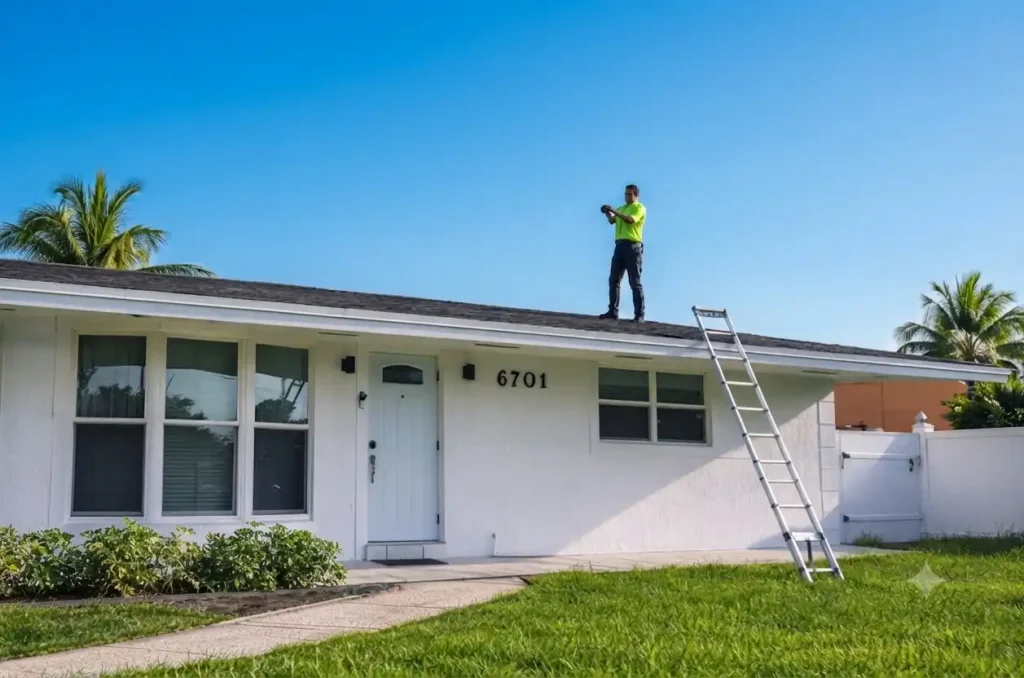
Wind can lift, crack or displace roofing materials without creating an obvious opening from the ground. An inspector may observe accessible roof areas, edges, flashing, valleys, vents, skylights, chimney details and other penetrations for signs of movement, impact, missing components or failed sealants.
The attic can provide additional clues. Water staining, damp insulation, damaged sheathing, displaced insulation or daylight where it should not be visible may indicate a problem. These observations do not determine the complete repair scope or prove when water entered. A roofing contractor or structural professional may be needed for a detailed evaluation.
A roof inspection is a distinct service from a wind mitigation inspection. A roof inspection focuses on the condition of the roof. Wind mitigation documents certain construction features that may be relevant to an insurance review. Neither service guarantees coverage or a claim outcome.
Ceilings, walls and signs of moisture
Storm water often follows a path before it becomes visible. Inspectors may look for staining, bubbling paint, swollen trim, damp materials, musty odors, damaged drywall and other signs around ceilings, exterior walls, windows and doors.
A moisture meter can help identify an elevated reading in an accessible material, but a reading is not automatically a diagnosis of mold or the source of a leak. Building materials may remain damp after the visible water has disappeared. The report should explain what was observed and whether a moisture specialist, roofer, plumber or remediation professional should evaluate the area.
If a wall, ceiling or floor has been opened for emergency work, tell the inspector what was removed and when. The condition behind a finished surface may no longer be observable after cleanup.
Windows, exterior doors and garage openings
Openings are part of the home’s storm envelope. Review visible window frames, glazing, locks, seals, thresholds, door assemblies, garage doors and surrounding trim for impact, movement, broken components and water entry.
A window can remain closed and still allow water through a failed seal or damaged surrounding material. A garage door may operate while its tracks, panels or weather seals have been affected. An inspector can document accessible observations and recommend a window, door or garage-door specialist when the condition requires a closer assessment.
Florida’s Division of Emergency Management notes that roofs, hurricane straps, windows, doors and garage doors all contribute to a home’s storm resistance when they are in proper condition. That does not mean an inspection can certify resistance after a storm. It means these areas deserve attention before the property is returned to normal use.
Exterior walls, stucco, soffits and fascia

Wind and rain can affect stucco, siding, masonry joints, soffits, fascia, vents and exterior trim. Look for displaced pieces, cracking, open joints, impact marks, loose sections and staining below roof edges or openings.
A small exterior defect may be a maintenance issue, or it may provide a path for water. Context matters. The inspector should document the location and recommend the appropriate follow-up rather than assume the exact cause from a surface observation.
Electrical equipment and power-related concerns
Storms can damage service equipment, exterior disconnects, panels, receptacles, generators, pool equipment and visible wiring. Power restoration can also expose a problem that was not apparent while the property was without electricity.
Do not touch wet electrical components or reset a breaker repeatedly after water intrusion. A qualified electrician should evaluate equipment that has been submerged, overheated, damaged by impact or exposed to moisture. A home inspection can document visible conditions, but it is not a substitute for electrical repair, load testing or utility work.
Also check for surge-related symptoms in appliances and electronics. A tripped breaker, flickering lights, burning odor or warm receptacle deserves prompt attention.
HVAC equipment and condensate systems
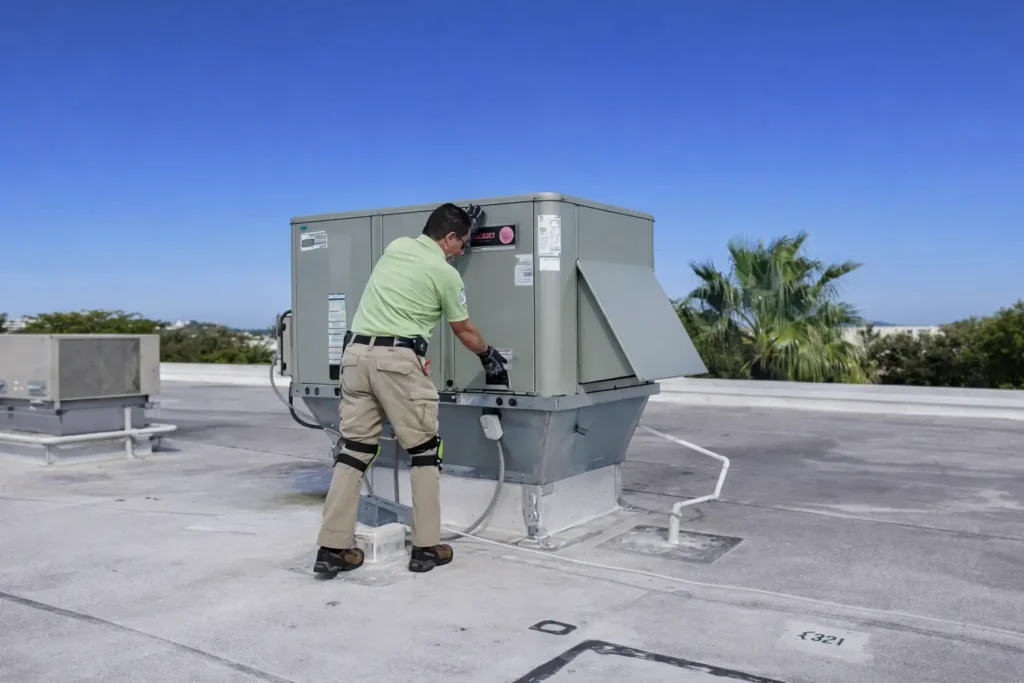
An air conditioner that turns on may still have restricted airflow, damaged outdoor components, wet insulation, blocked condensate drainage or electrical concerns. Storm debris can affect the outdoor unit, while a roof leak or attic moisture can affect ductwork and insulation.
An inspector may report accessible condition and basic operation. A licensed HVAC professional is needed for refrigerant diagnosis, internal electrical testing, coil repairs, duct remediation or detailed performance measurements.
High indoor humidity after a storm can be related to a disabled system, wet building materials, poor ventilation or another condition. Do not assume that lowering the thermostat will solve the underlying problem.
Plumbing, drainage and the site
Heavy rain can reveal grading, drainage and plumbing conditions that were not obvious during dry weather. The plumbing system is thoroughly checked, including a sewer line inspection, along with accessible supply lines, water heaters, fixtures, drains, cleanouts, and visible waste piping for leaks, corrosion, movement, or impact.
Outside, note standing water, erosion, soil movement, damaged downspouts, blocked drains, displaced pavers, broken retaining elements and water directed toward the structure. Trees and large branches can affect roofs, walls, fences, pools and underground utilities.
A sewer camera, pool inspection, structural assessment or underground utility evaluation is a separate service. The home inspector can help identify when one may be appropriate.
Why hidden storm damage can appear later
Some damage is immediate. Other problems develop as wet materials remain enclosed, seals dry out, or a system is restarted after a power interruption.
Water can travel behind finishes and appear in a different room. Insulation can hold moisture after a ceiling looks dry. A damaged roof penetration may leak only during the next rain. An HVAC system may run but struggle with moisture control. A corroded electrical component may fail after repeated exposure.
This is why timing matters. An inspection immediately after a storm can document fresh conditions, while a follow-up visit may reveal changes that were not visible on the first day. The appropriate timing depends on safety, access, cleanup and your need for documentation.
The Florida Department of Financial Services recommends photographing damage before temporary repairs when possible, saving receipts and retaining damaged property until the insurer has had an opportunity to inspect it. Follow your own policy and the instructions of your carrier.
Is a post-storm inspection the same as a Wind Mitigation Inspection?
No. A post-storm inspection looks for observed conditions and possible damage after an event. A Wind Mitigation Inspection documents specific construction features, such as roof-to-wall connections, roof shape, opening protection and other elements that may be relevant to an insurance review.
Home Inspections Halley provides Wind Mitigation, Roof Inspection, Full Home Inspection and other inspection services in South Florida. The right service depends on whether you need damage documentation, insurance-related construction documentation, a general condition review or a specialized evaluation.
Should you inspect if the storm did not make a direct hit?
A direct landfall is not required for a property to experience wind-driven rain, debris impact, power-related problems or drainage issues. A nearby storm can also expose an existing weakness that becomes important during the next weather event.
If you noticed a new stain, leak, odor, electrical symptom, cracked opening, damaged tree or change in system performance, document it and ask for the appropriate inspection or specialist assessment.
How soon should I schedule a post-storm home inspection?
Once your property is safe to enter, information helps you decide what happens next. A post-storm inspection can document visible conditions, organize concerns and identify which questions require a roofer, electrician, engineer, HVAC professional or remediation specialist.
Home Inspections Halley serves homeowners, buyers and property owners throughout Miami-Dade and Broward. Contact the team to discuss whether a Full Home Inspection, Roof Inspection, Wind Mitigation Inspection or another service fits your situation.