A backyard swimming pool is one of the most desirable features of a Florida home—but it can also become one of the most expensive sources of unexpected repairs.
As InterNACHI® Certified Professional Inspectors at Home Inspection HALLEY, we regularly perform residential pool inspection services as part of our Full Home Inspections throughout Miami-Dade and Broward Counties. Over the years, we’ve seen firsthand how swimming pools can become one of the most overlooked sources of costly repairs, safety concerns, and insurance-related issues.
While many pools appear to be in good condition during a showing, our inspections often reveal hidden problems such as equipment deficiencies, electrical hazards, drainage concerns, damaged safety barriers, and signs of deferred maintenance that may not be obvious to buyers or homeowners.
In this article, we’ll share some of the most common pool-related issues we encounter during South Florida home inspections and explain why identifying them early can help protect your investment, your family’s safety, and your property’s value.
What Is a Residential Pool Inspection?
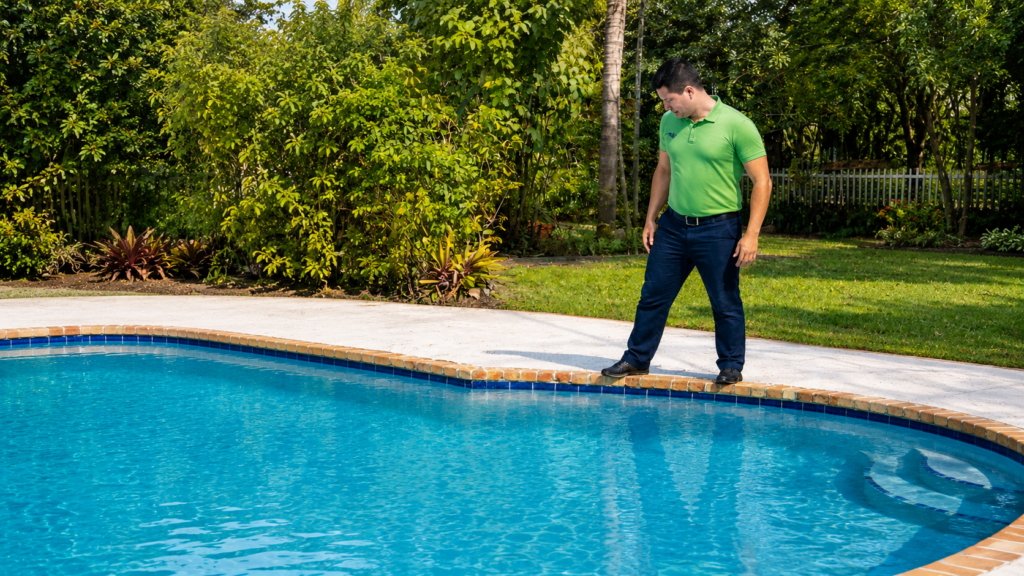
A residential pool inspection is a visual evaluation of a swimming pool and its accessible components. The goal is to assess the pool’s overall condition, identify visible defects, verify safety features, and document issues that may affect functionality, safety, or insurability.
Pool inspections are commonly performed as part of a:
- Pre-purchase home inspection
- Pre-listing inspection
- Annual property maintenance evaluation
- Insurance-related inspection
- New construction or renovation review
When Is a Pool Inspection Required?
Florida law does not generally require a pool inspection for every residential property. However, there are several situations where a pool evaluation is strongly recommended and may be requested by buyers, insurers, or other parties involved in the transaction.
During a Home Purchase
This is the most common scenario.
When a property includes a swimming pool, buyers often request a Full Home Inspection that includes a pool assessment. Pool repairs can be expensive, making an inspection a valuable part of the due diligence process.
Before Listing a Property
A pre-listing inspection allows sellers to identify pool-related issues before they become negotiation points during a buyer’s inspection.
After Major Storms or Hurricanes
Florida weather can affect:
- Pool enclosures
- Equipment systems
- Electrical components
- Drainage systems
- Deck surfaces
A post-storm evaluation can help identify damage that may not be immediately visible.
When Safety Concerns Exist
Homeowners may also request a pool inspection when:
- Purchasing an older property
- Reactivating an unused pool
- Renovating the pool area
- Addressing recurring maintenance concerns
- Preparing for insurance reviews or renewals
Common Pool Problems Found During Florida Inspections
Damaged or Cracked Pool Decking
One of the most common issues inspectors encounter is deterioration of the pool deck.
Over time, concrete surfaces can develop:
- Cracks
- Uneven sections
- Settlement
- Surface spalling
- Trip hazards
While minor cosmetic cracking is common, larger cracks or uneven surfaces may indicate movement beneath the deck or drainage issues that deserve further evaluation.
Beyond aesthetics, damaged decking can create safety concerns for residents and guests.
Missing or Non-Compliant Pool Safety Barriers
Safety barriers are a major focus during Florida pool inspections.
Florida law requires specific safety measures for many residential pools to help reduce the risk of accidental drowning, particularly among children.
Common issues include:
- Missing pool fences
- Damaged barriers
- Gates that do not self-close
- Gates that do not self-latch properly
- Openings that allow easy access to the pool area
Even when a pool is functioning perfectly, safety deficiencies can raise concerns for buyers and insurance carriers.
Pool Enclosure and Screen Damage
In South Florida, damaged pool enclosures are among the most frequent issues we document during inspections, particularly after hurricane season. Even relatively new enclosures can experience screen tears, loose fasteners, or storm-related damage that homeowners may not notice until an inspection is performed.
Inspectors frequently observe:
- Torn screens
- Damaged screen panels
- Corroded aluminum framing
- Loose fasteners
- Storm-related damage
Although enclosure issues may seem minor, they can affect the property’s appearance, increase maintenance requirements, and allow debris and pests to enter the pool area.
After hurricane season, enclosure damage is particularly common throughout Miami-Dade and Broward County.
Equipment Leaks and Aging Pool Components
Pool equipment operates under demanding conditions throughout the year.
During inspections, common equipment-related findings include:
- Leaking pumps
- Filter leaks
- Corroded fittings
- Deteriorated valves
- Rusted equipment components
- Aging pool heaters
Many homeowners are unaware of these issues because equipment can continue operating despite visible signs of deterioration.
Addressing leaks early can help prevent larger repairs and reduce unnecessary water and energy costs.
Corroded Pool Heaters and Pumps
Florida’s humid environment can be particularly hard on metal components.
Inspectors often identify:
- Surface rust
- Corrosion around plumbing connections
- Deteriorated equipment housings
- Premature wear caused by salt exposure
Homes located near the coast are especially vulnerable due to the corrosive effects of salt air.
While some corrosion may be cosmetic, severe deterioration can affect performance and shorten equipment lifespan.
Electrical Safety Concerns
Over the years, we’ve identified electrical deficiencies in pools of all ages—from older homes with outdated components to newer properties where repairs or modifications were performed improperly.
Because water and electricity create an inherently hazardous combination, these findings are always treated seriously.
Common observations may include:
- Missing GFCI protection
- Damaged electrical outlets
- Exposed wiring
- Improper electrical connections
- Deteriorated electrical components
- Missing covers on electrical boxes
When electrical concerns are identified, inspectors often recommend further evaluation by a licensed electrician.
Improper Drainage Around the Pool Area
Drainage problems are frequently overlooked until visible damage occurs.
During inspections, signs of poor drainage may include:
- Standing water near the pool
- Soil erosion
- Deck settlement
- Water accumulation around equipment pads
Florida’s intense rainfall can quickly expose drainage deficiencies, potentially leading to long-term structural or maintenance concerns.
Proper water management is essential for protecting both the pool and surrounding property.
Loose or Damaged Coping and Tile
Pool coping and tile serve both functional and aesthetic purposes.
Inspectors commonly find:
- Loose coping stones
- Missing grout
- Cracked tiles
- Detached tile sections
- Signs of water intrusion behind finishes
Although these issues may initially appear cosmetic, they can worsen over time if water penetrates behind the affected materials.
Early repairs are typically more affordable than extensive restoration work.
Surface Deterioration and Interior Finish Problems

The pool’s interior finish is constantly exposed to water chemistry, sunlight, and environmental conditions.
Common findings include:
- Staining
- Surface roughness
- Etching
- Finish deterioration
- Discoloration
Older pools are particularly susceptible to these conditions, especially if maintenance has been inconsistent over the years.
While finish issues may not always affect functionality, they can influence appearance, maintenance requirements, and buyer perception.
Signs of Deferred Maintenance
One pattern we’ve observed after thousands of home inspections is that small maintenance issues often point to larger concerns. A leaking pump, damaged screen enclosure, or neglected equipment area may not seem significant individually, but together they can indicate a history of deferred maintenance.
Examples include:
- Dirty equipment areas
- Excessive debris accumulation
- Missing equipment labels
- Minor leaks left unrepaired
- Broken enclosure hardware
- Damaged deck sealants
These observations can suggest that larger hidden issues may exist and often affect buyer confidence during a real estate transaction.
Pool Safety Features Required in Florida
Florida has some of the nation’s most comprehensive residential pool safety requirements.
The Residential Swimming Pool Safety Act (Chapter 515, Florida Statutes) requires certain safety measures for many residential pools.
Approved safety features may include:
- Pool barriers or fencing
- Self-closing and self-latching gates
- Approved safety covers
- Exit alarms on doors providing direct access to the pool area
- Pool alarms
These safety systems are designed to reduce the risk of accidental drowning, particularly among young children.
During a pool inspection, visible safety features may be evaluated for proper installation and functionality.
Can Pool Problems Affect Homeowners Insurance in Florida?
Yes. In some situations, pool-related safety concerns or maintenance deficiencies may influence an insurance carrier’s underwriting decision.
During home inspections, issues such as missing safety barriers, inoperable gates, unsafe electrical conditions, or obvious liability hazards may raise concerns for insurance providers evaluating a property’s overall risk.
While insurance companies do not typically require a dedicated pool inspection, addressing visible safety and maintenance issues before applying for coverage or renewing a policy can help reduce potential complications.
Final Thoughts
One thing we’ve learned after more than two decades inspecting homes throughout South Florida is that many pool problems are not immediately visible during a casual walkthrough.
Cracked decking, equipment leaks, electrical deficiencies, drainage concerns, and safety barrier issues often go unnoticed until they are identified during a professional inspection.
Whether you’re buying a home, preparing to sell, or evaluating the condition of your property, a comprehensive home inspection that includes the pool can help uncover issues before they become expensive surprises.
At the end of the day, a swimming pool should be an asset—not an unexpected liability. Schedule your home inspection today with Home Inspection HALLEY.