Even when a condo looks updated, well maintained, and move-in ready, it can still hide issues that are easy to miss during a regular walkthrough. Moisture intrusion, HVAC problems, electrical concerns, plumbing leaks, or aging components may not be obvious at first glance, but they can become costly later and, in some cases, even affect insurance options or premiums.
At Home Inspections HALLEY, after more than 21 years inspecting homes, commercial properties, and condos across South Florida, we know that a condo inspection before closing can be an important part of the due diligence process. It gives buyers a clearer picture of the accessible components inside the unit and helps identify conditions that may need further evaluation before the purchase is finalized.
The best approach is to combine the inspection report with the seller’s disclosures, association documents, and the terms of the purchase contract.
In this guide, we explain what we look for during a condo inspection, which issues are commonly overlooked, and what buyers should review before closing. We’ll focus especially on Aventura inspections, where high-rise living, moisture exposure, building age, and association responsibilities can add a few extra layers to the buying process.
Why a condo inspection still matters when the association maintains the building
A condominium association may maintain many of the building’s common elements, but that does not mean everything inside the unit is covered or regularly evaluated.
A condo inspection gives the buyer an independent look at the accessible systems and components they will live with after closing, from HVAC and electrical equipment to plumbing, appliances, windows, doors, and interior finishes.
It can also uncover conditions that raise a bigger question: is this issue limited to the unit, or could it involve part of the building?
That distinction becomes important later in the due diligence process, when the inspection findings are compared with the condominium documents and information provided by the association.
What a condo inspection usually examines
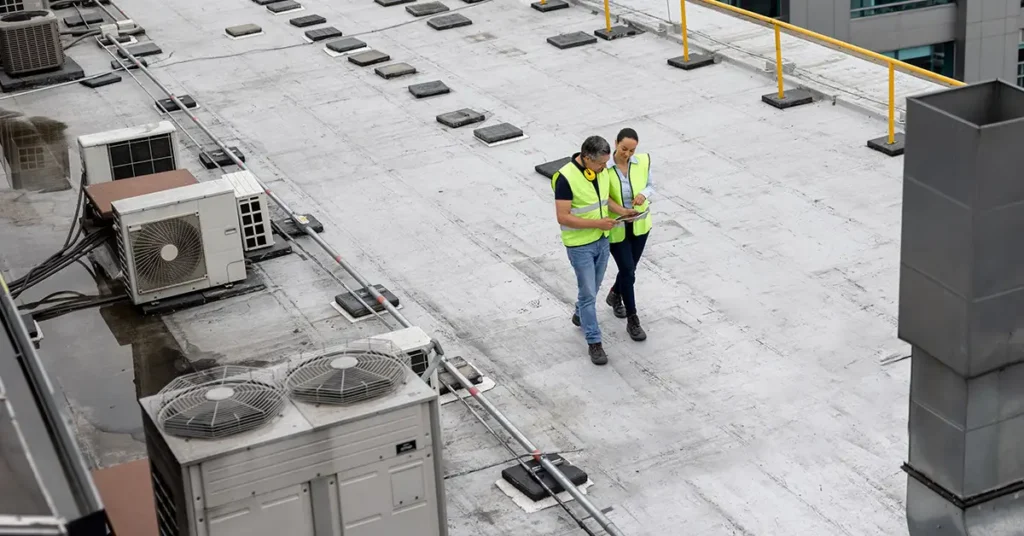
A condo inspection focuses on the systems and components that are accessible from the unit at the time of the inspection. The exact scope depends on the property and inspection agreement, while roofs, mechanical rooms, garages, structural components, and other common areas may require separate access or fall outside a standard unit inspection.
The inspection is visual and non-invasive. When something cannot be fully evaluated without opening walls, dismantling equipment, or performing specialized testing, the inspector can document the concern and recommend the appropriate next step.
Interior walls, ceilings, floors, and visible components
The inspector looks for signs of water intrusion, staining, cracking, movement, damaged finishes, unsafe conditions, and workmanship concerns.
In a high-rise or coastal building, stains around windows, balcony doors, ceilings, bathrooms, and plumbing chases deserve particular attention because the visible damage may not reveal where the problem actually started.
Small clues can matter. Bubbling paint, swollen baseboards, patched drywall, deteriorated caulking, or discoloration around an opening may justify a closer look even when the rest of the room appears recently renovated.
HVAC and indoor humidity
Air-conditioning performance is especially important in South Florida, where the system plays a major role in both comfort and indoor humidity control.
During the inspection, accessible HVAC equipment, thermostat operation, condensate components, visible duct connections, supply and return conditions, and signs of leakage or poor drainage may be evaluated.
Buyers should also ask about the system’s age, service history, and recent repairs. Condensation, rust, water marks, biological growth, blocked drains, or rooms that consistently feel warmer or more humid than others can indicate a condition that deserves HVAC evaluation.
Electrical panel, outlets, switches, and fixtures
A condo inspection should include a safety-focused review of the accessible electrical panel, visible wiring, receptacles, switches, fixtures, and common protective devices.
Concerns may include missing covers, exposed wiring, loose receptacles, improper connections, signs of overheating, or other conditions that warrant evaluation by a licensed electrician.
A recently remodeled kitchen or bathroom does not necessarily mean the electrical system was fully updated. New appliances and finishes may have been added while older wiring or panel components remained in place.
Need a 4 Point Inspection
in Miami-Dade or Broward?
Plumbing fixtures, water heaters, and drainage
Accessible plumbing fixtures can be operated to evaluate water flow, drainage, visible supply lines, shutoff valves, traps, water heater connections, and signs of active or previous leakage.
In a condo, the source of a plumbing problem is not always obvious. A slow drain may be limited to the unit or involve a larger line. Water staining near a bathroom or kitchen may originate inside the condo, from the unit above, or from a shared plumbing component.
Buyers should ask about previous leaks, water damage, insurance claims, and repairs, particularly when finishes appear newer than the surrounding property.
Kitchen, bathrooms, and built-in appliances
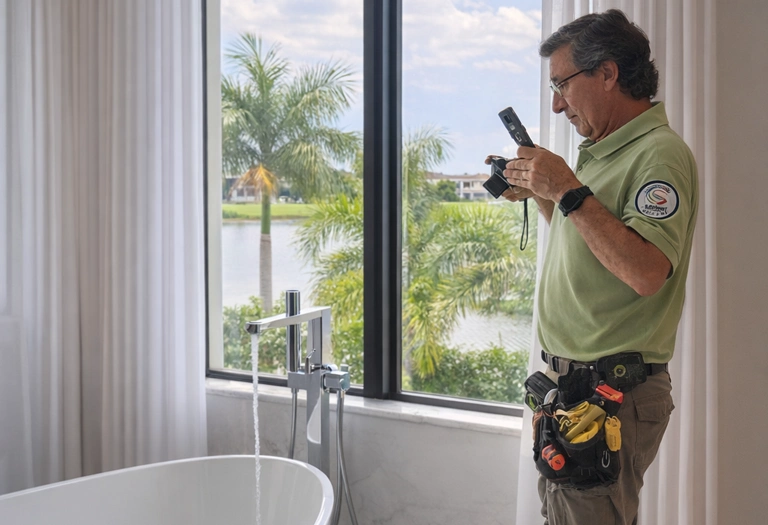
Kitchens and bathrooms concentrate several systems in relatively small spaces, which makes them especially important during a condo inspection.
Sinks, faucets, toilets, showers, tubs, exhaust fans, cabinets, countertops, accessible appliances, outlets, and visible connections should be evaluated within the inspection scope.
The inspector may identify leaks, drainage issues, deteriorated sealant, loose fixtures, damaged cabinetry, moisture evidence, electrical safety concerns, or appliances that are not operating as expected at the time of the inspection.
Windows, doors, balcony doors, and accessible exterior areas
Window and balcony-door condition deserves close attention in Aventura condos.
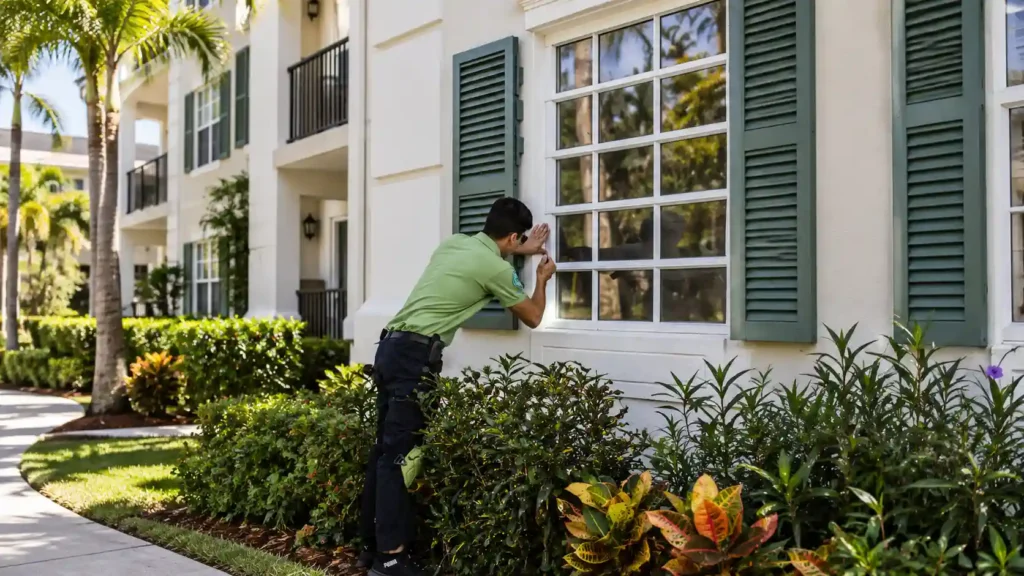
The inspection may include operation, locks, frames, tracks, visible seal deterioration, condensation, water staining, gaps around openings, and other signs that could indicate maintenance or water-intrusion concerns.
If the unit is advertised as having impact-resistant windows or doors, buyers should ask for available product, permit, or installation documentation. An inspector can evaluate their visible condition and operation, but impact resistance should not be assumed from appearance alone.
When a balcony is accessible within the inspection scope, the inspector may also observe surfaces, guardrails, drainage, visible deterioration, and conditions around the connection between the balcony and the unit. Cracks, corrosion, loose components, ponding water, or signs of intrusion may require additional evaluation or communication with the association.
When moisture is suspected, tools such as moisture meters or thermal imaging may provide additional information about an area that deserves closer attention. These tools can help identify patterns and anomalies, but they do not by themselves establish the source or full extent of concealed moisture.
Why we use Aventura condos as a case study
After inspecting properties across South Florida for more than 21 years, Aventura gives us a particularly useful picture of the conditions that can come together in condominium properties.
Its mix of high-rise buildings, coastal exposure, large window and balcony systems, shared plumbing and building components, and units renovated at different stages brings together many of the situations inspectors encounter throughout Miami-Dade.
That is why we use findings from Aventura condo inspections throughout this guide as a practical reference. These conditions are not unique to Aventura, but they illustrate an important part of condo ownership: the condition of the unit and the condition or management of the building are connected, but they are not the same thing.
When an inspection finding may involve the building or association
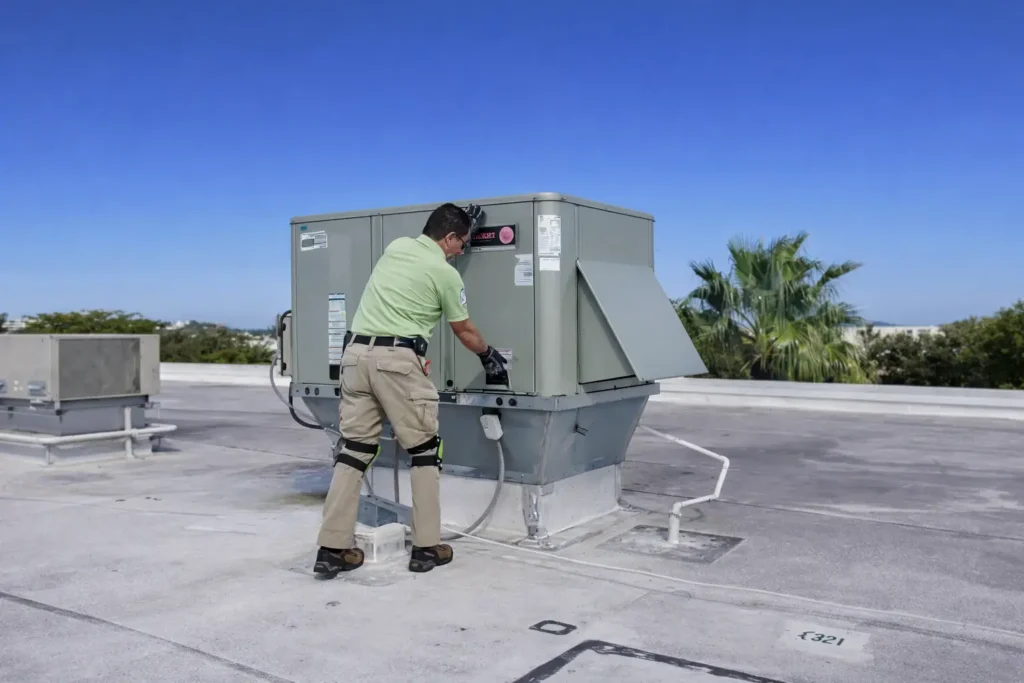
Finding a problem inside a condo does not always mean the problem begins or ends inside the unit.
A moisture stain near a window may be visible from the living room but involve the window system, exterior wall, balcony, or waterproofing outside the unit. A plumbing leak may come from a fixture inside the condo, a neighboring unit, or a shared riser. Even HVAC and condensate components can cross the boundary between equipment maintained by the owner and systems maintained by the association.
The inspector’s role is to document the visible condition, explain what could and could not be evaluated, and recommend further investigation when appropriate.
Determining who is responsible for the component or repair usually requires another layer of information.
Documents that can help complete the picture
Before closing, buyers should review the condominium documents and current association records that apply to the property.
Depending on the building, useful records may include the condominium declaration and bylaws, budgets and reserve information, recent meeting minutes, notices of special assessments, insurance information, records of significant repairs, and available milestone inspection or Structural Integrity Reserve Study documents when applicable.
Recent renovations inside the unit deserve attention as well. If the condo has new flooring, remodeled bathrooms, impact windows, electrical modifications, or other substantial upgrades, buyers may want to ask whether the work required permits or association approval and whether that documentation is available.
These records can answer questions that a physical inspection cannot, such as whether windows or balcony components are the owner’s or association’s responsibility, whether major projects are planned, or whether a condition observed inside the unit may be related to a known building issue.
Questions worth answering before closing
Before making a final decision, try to understand:
- Who is responsible for windows, balcony doors, waterproofing, exterior walls, and relevant HVAC components?
- Are there unresolved water-intrusion complaints or major repairs affecting the building?
- Are there current or pending special assessments?
- Are structural, façade, waterproofing, roofing, plumbing, or other major projects planned?
- Have significant renovations inside the unit received the permits or association approvals required for that work?
A home inspector can explain the physical conditions observed during the inspection. Questions involving repair responsibility, financial obligations, or interpretation of condominium documents should be confirmed with the association, property manager, real estate professional, or a qualified attorney.
What the inspection report can and cannot tell you
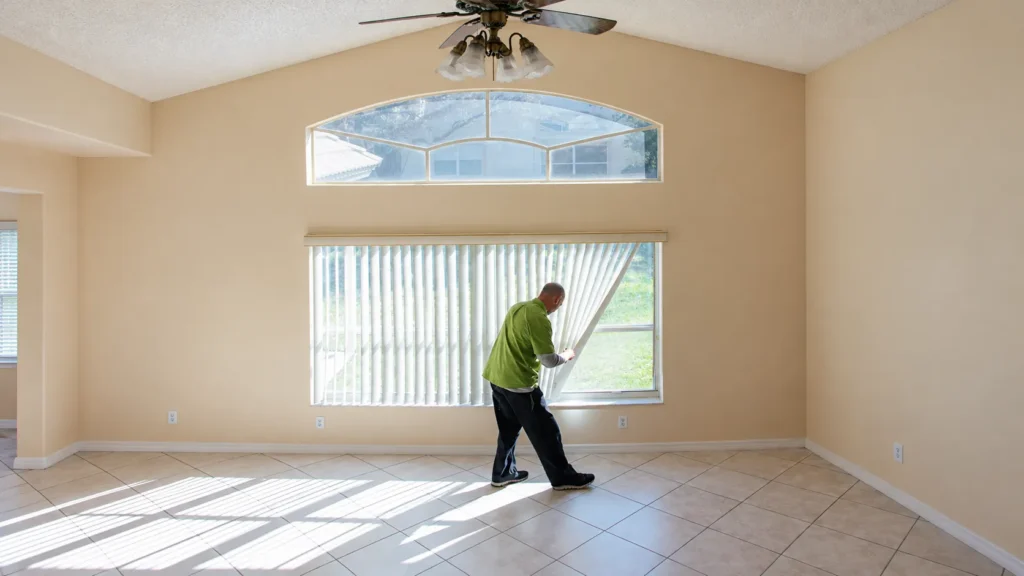
A good condo inspection report documents the conditions observed, limitations caused by access or safety, photographs when appropriate, and recommendations for further evaluation.
It can help you decide which questions to raise with the seller, association, or a specialist before closing.
What it cannot do is predict every future repair, establish the association’s legal responsibility, certify the structural condition of the entire building, or guarantee insurance acceptance.
If the report recommends further evaluation, try to complete it while your inspection and contract deadlines are still open. That gives you more time to understand the issue before making decisions about the transaction.
When should you schedule a condo inspection?
For buyers, the best time is early enough in the inspection period to leave room for questions and specialist follow-up before closing.
The exact timeline depends on the purchase contract, so your agent or attorney should confirm the deadlines that apply to your transaction.
A pre-closing walk-through is not the same as a condo inspection. The walk-through generally helps confirm that the property remains in the expected condition and that agreed repairs appear complete. It does not replace a detailed evaluation of the unit’s accessible systems and components.
If the property has recently been renovated, repaired after water damage, or has a history of leaks or other significant issues, additional documentation or a reinspection of specific repairs may also be worth discussing.
Frequently asked questions
What is the difference between a condo inspection and a home inspection?
The inspection methods are similar, but the property context changes. A condo inspection focuses primarily on the unit and accessible related components. Access to roofs, foundations, exterior walls, elevators, garages, pools, mechanical rooms, and other common areas may be limited or controlled by the association.
The inspection report should explain what was included and any important limitations.
Does a condo inspection include the entire building?
Usually not. A standard condo inspection generally focuses on the accessible components associated with the individual unit and any related areas included in the inspection agreement.
A building-wide structural, engineering, façade, life-safety, or mechanical evaluation is a different scope and may require other qualified professionals.
What if the inspection finds a serious problem?
Start by asking the inspector to explain what was observed, what could not be determined during the inspection, and what type of follow-up is recommended.
A licensed specialist may be needed to diagnose the problem or estimate repairs. Your real estate professional or attorney can then help you understand how the information relates to your purchase contract and available options.
A clearer decision before you close
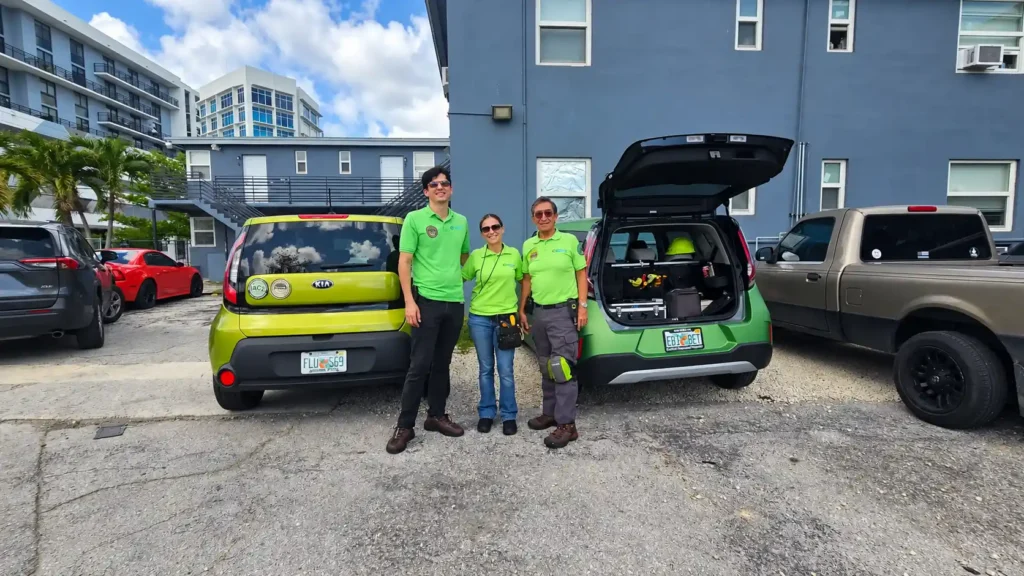
Buying a condo in Aventura means evaluating more than finishes, views, and amenities. You are buying a private unit that also exists within a larger building with shared systems, maintenance responsibilities, and financial decisions.
A professional condo inspection helps you understand the condition of the accessible components inside the unit. Association records provide the building history and responsibility context that the inspection cannot.
Together, they give you a much clearer picture of what you are buying before you reach the closing table.
Home Inspections HALLEY serves buyers across Miami-Dade and Broward with clear, photo-supported inspection reports for residential properties, including condos and townhomes.
If you’re buying a condo in Aventura, explore our home inspection services, and contact Home Inspections HALLEY to discuss the inspection scope for your property before your inspection period closes.