Buying your first home in Miami-Dade is a major step. A professional inspection gives you a clearer picture of the property before you commit to the purchase, but the value of the inspection depends on how well you prepare for it and how carefully you review the results.
This first-time home buyer inspection checklist Miami-Dade buyers can use is designed to make the process easier to follow. It covers the timing of the inspection, the main systems a full home inspection reviews, questions worth asking during the appointment, and the next steps when the report identifies a concern.
1. Start with the contract timeline
In most purchases, the inspection takes place after the offer is accepted and before closing. Your purchase contract controls the inspection period and the notices you must provide, so ask your real estate professional to identify the exact dates in writing. Do not wait until the last day to schedule an inspector. A delay can leave less time to obtain a specialist opinion or discuss findings with the seller.
Before you book the appointment, confirm:
- The inspection deadline in your contract.
- Whether the seller has provided disclosures, repair records, permits, warranties, or prior reports.
- How access will be arranged for the attic, electrical panel, garage, roof areas, crawlspaces, and exterior equipment.
- Whether the home will be vacant, occupied, furnished, or under renovation.
- Which additional evaluations may be useful for the property.
Florida Realtors explains that a general inspection is only one part of a buyer’s due diligence. A buyer may also need a WDO or pest professional, a roof specialist, a structural engineer, or another qualified specialist when the general inspector identifies a condition outside the normal inspection scope.
2. Choose the right Florida home inspector
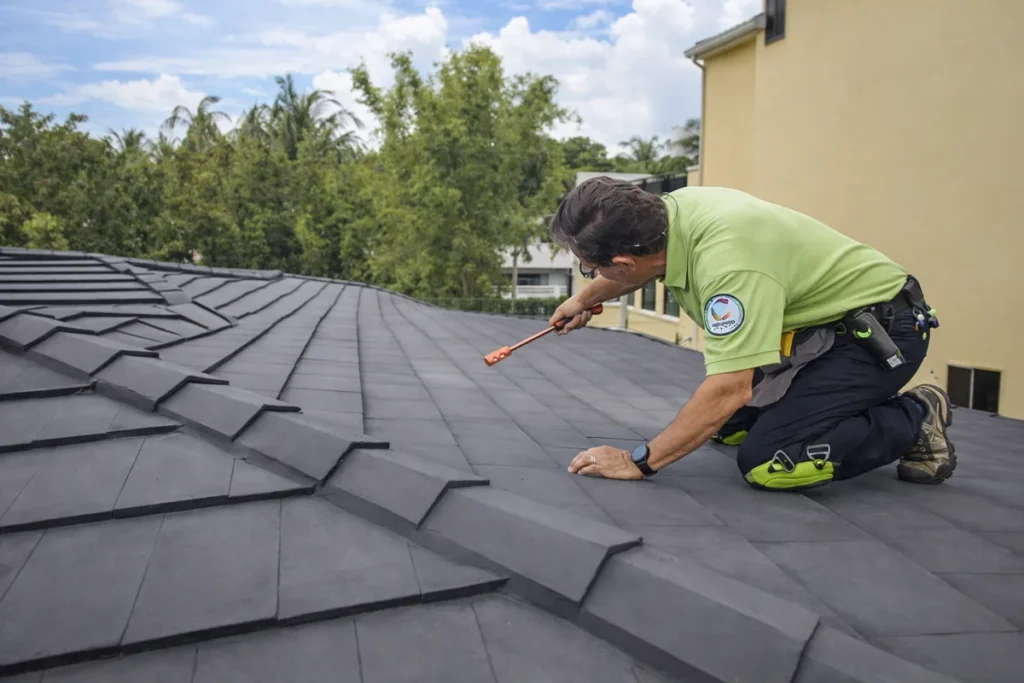
Florida home inspectors are licensed and regulated by the Department of Business and Professional Regulation. You can verify an inspector’s license through the state’s licensing database. Ask what standards of practice the inspector follows, what the inspection includes, and what the report will look like before you hire anyone.
A useful conversation should cover:
- The inspector’s Florida license information and relevant qualifications.
- The systems and components included in the full home inspection.
- Areas that may be inaccessible or excluded.
- Whether you can attend and ask questions during the inspection.
- How photographs and safety concerns are documented.
- When you should expect the written report.
- Whether the inspector offers a follow-up consultation to explain the findings.
Do not select an inspector only because the appointment is convenient. A clear scope and a report you can understand are more useful than a short visit that leaves you guessing about the property’s condition.
3. Full home inspection checklist
A full home inspection examines the major visible systems of the property. The inspector will not move every personal belonging, open concealed walls, or dismantle equipment. Conditions that are hidden, unsafe to access, or not operating at the time of the inspection may require further evaluation.
Roof, attic, and drainage
Ask the inspector to document the visible condition of the roof covering, flashing, penetrations, drainage, and roof structure where accessible. In the attic, the review may include visible framing, insulation, ventilation, signs of roof leaks, and staining.
For a Miami-Dade property, look closely at:
- Missing, damaged, lifted, or deteriorated roofing materials.
- Flashing around vents, skylights, walls, and other penetrations.
- Signs of past or active water intrusion.
- Attic moisture, inadequate ventilation, or displaced insulation.
- Roof drainage that directs water toward walls or the foundation.
A roof inspection may be appropriate when the roof is difficult to access, near the end of its expected service life, or shows signs of damage. A general home inspection can identify visible concerns, but it does not turn the inspector into a roofing contractor.
Exterior, windows, doors, and site conditions
The exterior review includes visible wall surfaces, trim, windows, doors, patios, decks, garages, grading, drainage, and other site conditions that could affect the structure. Look for openings around windows and doors, damaged sealants, standing water, cracked stucco, loose railings, and surfaces that slope water toward the home.
Ask about:
- Window and door operation, locks, glazing, and visible leaks.
- Exterior cladding, stucco, soffits, fascia, and trim.
- Garage door operation and safety features.
- Walkways, steps, decks, balconies, and handrails.
- Grading, downspouts, surface drainage, and areas where water collects.
- Visible evidence of unapproved additions or unfinished work.
South Florida’s rain, heat, humidity, and storm exposure make drainage and water management especially important. The inspector can document visible conditions, but a drainage redesign or structural repair belongs to the appropriate specialist.
Structure and foundation
The inspector reviews visible structural components for signs of movement, deterioration, or damage. This can include the foundation, visible framing, load-bearing elements, floors, walls, ceilings, and accessible crawlspaces.
The report may note cracks, uneven floors, deflection, rot, settlement indicators, or moisture-related deterioration. These observations do not automatically establish the cause or confirm a structural failure. If the findings suggest movement or a significant structural concern, ask whether a licensed engineer or qualified contractor should evaluate it before you make a decision.
Electrical system and life-safety items

The electrical review generally includes the service equipment, accessible panels, wiring, outlets, switches, fixtures, grounding, bonding, and visible safety concerns. It is not the same as a full electrical engineering evaluation.
Pay attention to:
- The condition and labeling of the main panel.
- Signs of overheating, damaged wiring, or amateur modifications.
- Missing or nonfunctional GFCI or AFCI protection where applicable.
- Outlets that do not operate or show polarity concerns.
- Smoke alarms and carbon monoxide alarms that are missing, damaged, or past their service life.
- Electrical components that are inaccessible or covered by stored belongings.
A home inspector can report visible conditions and recommend an electrician when a defect needs diagnosis or repair. Avoid treating a general inspection report as authorization to perform electrical work yourself.
Air conditioning, heating, and ventilation
Air conditioning is central to comfort and moisture control in Miami-Dade. The inspection typically reviews the accessible equipment, operation, condensate drainage, visible ductwork, thermostat, and signs of leakage or deterioration.
Ask about:
- Equipment age and visible condition.
- Cooling response during the inspection.
- Condensate drain routing and overflow protection.
- Rust, water staining, or biological growth near the air handler.
- Duct damage, disconnected sections, or poor insulation.
- Attic ventilation and insulation conditions that may affect heat and moisture.
An inspection is not a guarantee of future performance or a substitute for a detailed HVAC service call. If the system is not operating normally, request an evaluation from a licensed HVAC professional.
Plumbing, water heater, and bathrooms
The plumbing review can include visible supply and drain lines, fixtures, water pressure, water heater condition, shutoff valves, and signs of leaks. The inspector also evaluates the operation of accessible sinks, toilets, showers, tubs, and other fixtures.
Look for:
- Leaks under cabinets and around toilets.
- Slow drains, sewer odors, or signs of backup.
- Corrosion at exposed pipes or water-heater connections.
- Missing or inaccessible shutoff valves.
- Water-heater age, relief-valve piping, and visible installation concerns.
- Staining or swelling in cabinets, floors, ceilings, and walls.
A general inspection cannot see inside every pipe or determine the full condition of an underground sewer line. If the property is older or has a history of backups, ask about a separate sewer line inspection.
Interior, kitchen, appliances, and safety
The interior review covers accessible walls, ceilings, floors, stairs, doors, windows, cabinets, counters, fireplaces where present, and visible safety conditions. Built-in appliances may be operated when they are accessible and connected, but an inspection is not a warranty or a guarantee of appliance life.
Bring questions about:
- Water stains, musty odors, bubbling paint, or visible mold-like growth.
- Stair geometry, handrails, guards, and trip hazards.
- Doors that do not latch or windows that do not open and close.
- Bathroom ventilation and signs of moisture damage.
- Kitchen plumbing, outlets, cabinets, and visible appliance operation.
- Attic or garage access blocked by storage.
Photographs and clear explanations are particularly helpful for first-time buyers because they let you connect a report comment with the condition observed at the property.
Need a Full Inspection
in Miami-Dade or Broward?
4. Attend the inspection and ask practical questions
If the inspector allows it, attend the inspection. The appointment is a chance to learn where the main shutoffs are located, how the air-conditioning system drains, what maintenance the property needs, and which findings deserve prompt attention.
Useful questions include:
- Is this a safety concern, a maintenance item, or a condition that needs more investigation?
- What part of the system did you observe, and what was inaccessible?
- Could moisture be contributing to this stain or deterioration?
- Should a specialist evaluate this before the inspection period ends?
- What should I monitor after I move in?
- Which questions should I take to my real estate agent, insurer, contractor, or attorney?
The inspector can explain observed conditions and the limits of the inspection. They should not decide whether you should buy the property, promise that an insurer will accept a report, or provide a repair estimate outside their scope.
5. Read the report before you react
A long inspection report can feel overwhelming. Start by sorting the findings into categories:
1. Conditions that may create an immediate safety concern.
2. Active leaks, water intrusion, or damage that could worsen.
3. Systems that are not functioning as intended.
4. Items that require specialist evaluation.
5. Routine maintenance and improvements to plan after closing.
Do not treat every note as a reason to cancel. Homes, including newer homes, commonly have maintenance items and defects of different levels of importance. Focus on the condition, the evidence, the likely next question, and the time available under your contract.
When a report recommends a specialist, arrange that evaluation quickly. Examples include a licensed electrician, HVAC contractor, plumber, roofer, structural engineer, pest professional, mold assessor, or sewer-line contractor. The specialist’s written findings can give your agent better information for the next conversation with the seller.
6. Understand what a buyer inspection does not replace
First-time buyers often hear several inspection terms during a transaction. They are related, but they answer different questions.
- A Full Home Inspection is a visual review of the home’s major accessible systems and components.
- A Wind Mitigation Inspection documents wind-resistant features for an insurance-related purpose. It is not a substitute for a buyer’s full inspection.
- A 4-Point Inspection focuses on the roof, electrical, plumbing, and HVAC systems, often for insurance underwriting or property documentation.
- A Roof Inspection focuses on the roof system and may be useful when the roof’s age, access, or condition deserves a closer review.
- Mold, lead, radon, sewer-line, and WDO evaluations require the appropriate testing or specialist scope.
- An appraisal estimates market value for a lender. It does not provide the same condition review as a home inspection.
- A municipal inspection or permit record search does not replace a private buyer inspection.
Home Inspections HALLEY offers full home inspections for buyers in Miami-Dade and Broward, as well as separate services such as Wind Mitigation, 4-Point, Roof Inspection, and specialized testing. Ask which service matches the property and the question you need answered.
Need a 4 Point Inspection
in Miami-Dade or Broward?
A printable first-time buyer inspection checklist
Before the appointment:
- – Confirm the inspection deadline with your real estate professional.
- – Review disclosures, repair invoices, permits, and prior reports.
- – Ask what the inspector includes and what may be excluded.
- – Confirm that the attic, electrical panel, HVAC equipment, roof areas, garage, and exterior are accessible.
- – Decide whether the property may need a roof, mold, sewer, pest, or other specialist evaluation.
During the inspection:
- – Attend if the inspector permits it.
- – Ask where shutoffs, panels, equipment, and drains are located.
- – Note safety concerns and active moisture separately from routine maintenance.
- – Ask about inaccessible areas and recommended follow-up.
- – Take notes that help you connect the report to the property.
After the inspection:
- – Read the full report, not only the summary.
- – Sort findings by safety, active damage, function, specialist follow-up, and maintenance.
- – Send relevant questions to your agent before the contract deadline.
- – Obtain specialist opinions where recommended.
- – Keep the report, photos, receipts, and specialist documents with your purchase records.
- – Consider a reinspection when agreed repairs need to be verified before closing.
Make your first inspection easier to understand
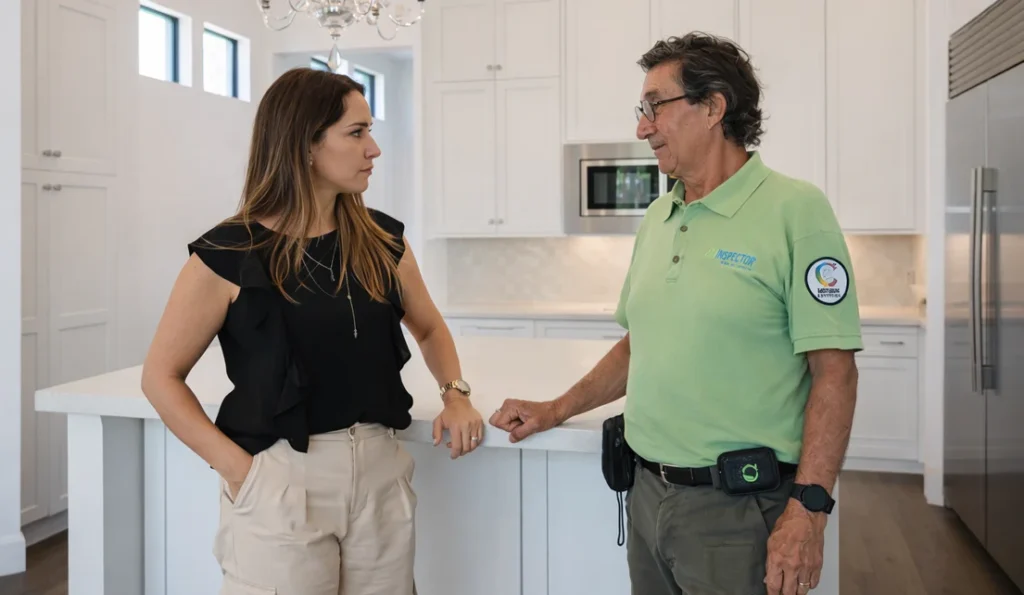
A first-time home buyer inspection checklist helps you prepare, but it cannot replace a qualified inspector’s review of the actual property. Schedule the inspection early, attend when possible, ask what the report can and cannot establish, and leave enough time to investigate important findings before your contract deadline.
Home Inspections HALLEY serves buyers throughout Miami-Dade and Broward with clear, photo-supported reports and practical explanations.